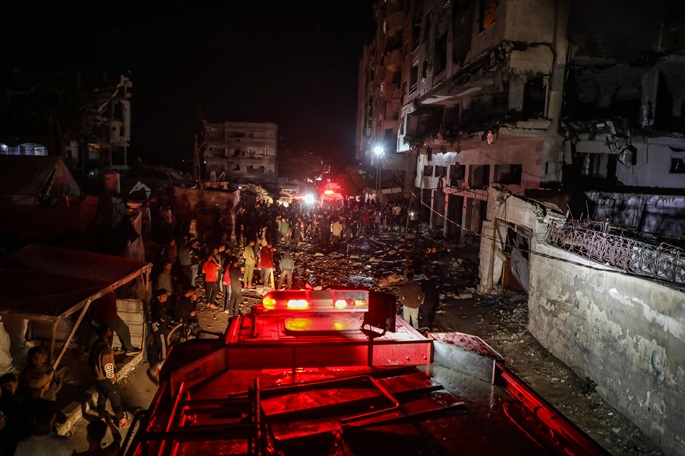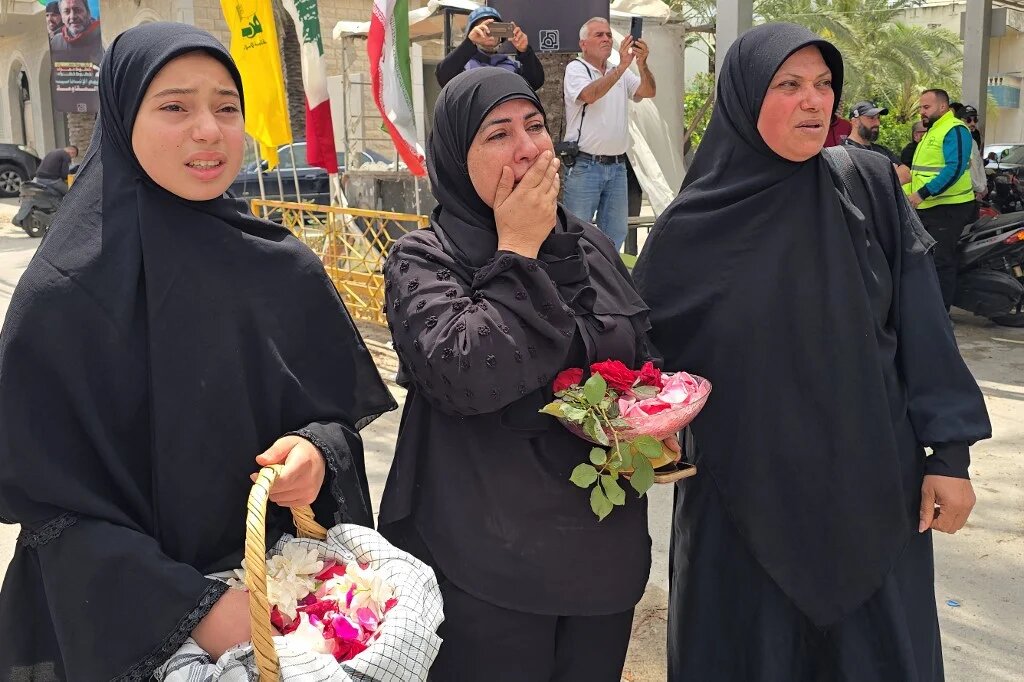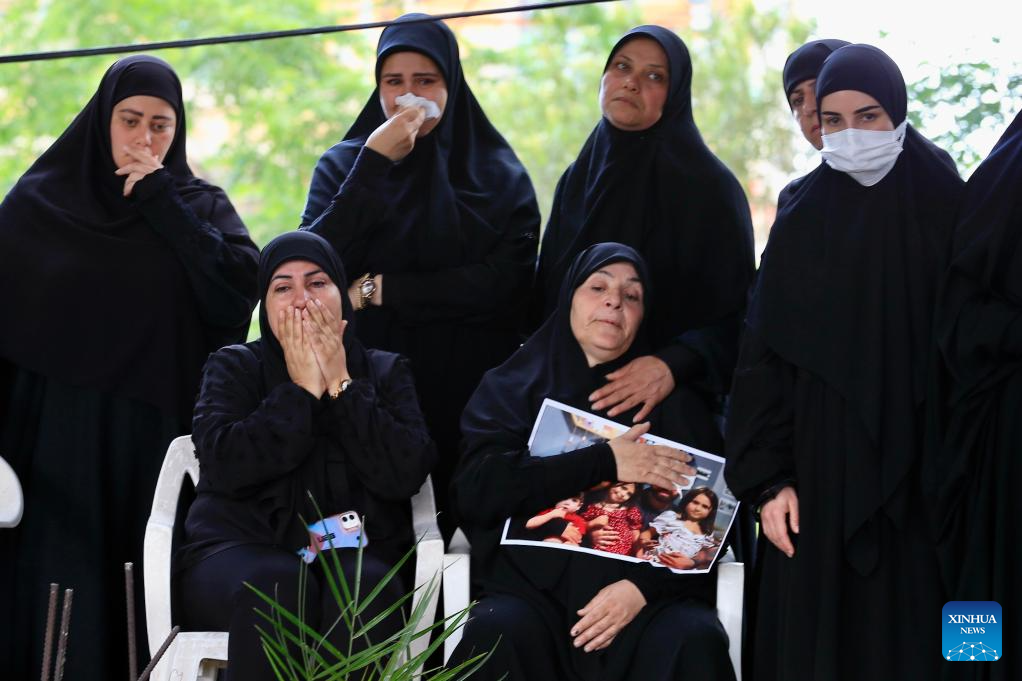
Israeli airstrikes in southern Lebanon on Friday killed 10 people, including six paramedics and a Syrian girl, according to local reports. These deadly strikes contributed to a significant escalation in the ongoing conflict in the region. Lebanon’s Health Ministry stated two attacks by Israel "violated" international law, condemning the actions as a breach of international humanitarian norms. These strikes occurred as attacks between Israel and Hezbollah have persisted despite a U.S.-brokered ceasefire, noting the fragility of efforts to de-escalate tensions. The latest conflict between Israel and Hezbollah began on March 2, marking a period of sustained hostilities that has claimed numerous lives and caused widespread damage across the border region. The continued exchange of fire shows the deep-seated tensions and the challenges in achieving a lasting peace, even with international mediation efforts in place. The humanitarian consequences of these ongoing hostilities are becoming increasingly severe, affecting both civilian populations and critical infrastructure.
Deadly Strikes in Southern Villages
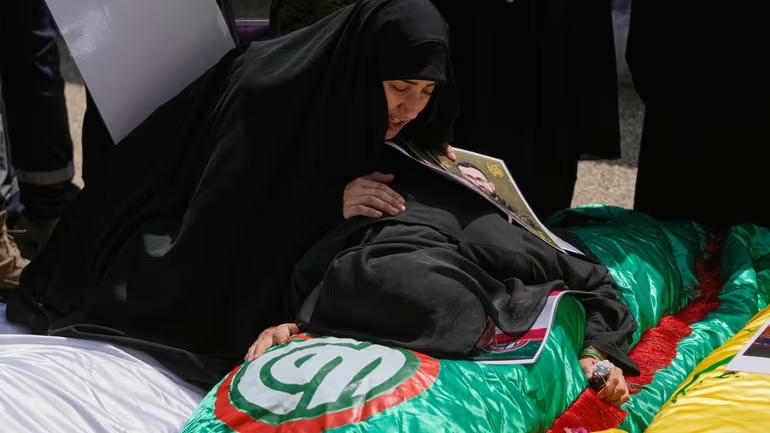
The first strike hit the village of Hanouiyeh, killing four paramedics affiliated with Hezbollah’s Islamic Health Association and wounding two others, including one paramedic. This incident drew immediate condemnation from Lebanese authorities, who noted the protected status of medical personnel under international humanitarian law. The paramedics were reportedly responding to an emergency when their vehicle was targeted, raising serious questions about the adherence to rules of engagement in conflict zones. Their deaths added to the growing toll of healthcare workers impacted by the conflict, a trend that has drawn concern from international organizations. The loss of these medical professionals further strains an already fragile healthcare system in southern Lebanon, which is struggling to cope with the increased demand for services amid persistent hostilities.
Another strike on Friday morning in the village of Deir Qanoun al Nahr, located in the coastal Tyre province, resulted in the deaths of six people, further exacerbating the humanitarian toll. Among those killed in Deir Qanoun al Nahr were a Syrian child and two paramedics from the Al-Risala Scouts Association, showing the impact on both civilians and medical personnel. An additional six individuals were injured in Deir Qanoun al Nahr, with the wounded including three paramedics and a Syrian woman. The immediate aftermath of these strikes saw emergency services scrambling to provide aid amidst the rubble and devastation, often under perilous conditions. Rescue teams faced significant challenges in reaching and assisting the victims, with concerns about secondary strikes adding to the danger. The destruction caused by the strikes led to widespread displacement and further disruption of daily life for residents in the affected areas, many of whom have already been forced to flee their homes multiple times due to the ongoing conflict.
The Israeli army stated its soldiers identified a Hezbollah member traveling on a motorcycle in Deir Qanoun al Nahr and subsequently struck him. This initial strike was part of what the Israeli military described as targeted operations against militant activities. Shortly afterward, the Israeli army reported that its soldiers identified an additional Hezbollah member moving on a motorcycle in Deir Qanoun al Nahr and struck him as well, indicating a sustained operation in the area. These military actions were presented by Israel as responses to perceived threats, aiming to neutralize individuals allegedly involved in hostile activities. The Israeli military maintains that these operations are conducted with precision to minimize collateral damage, despite the reported civilian casualties. The use of motorcycles by alleged militants has been a recurring theme in Israeli military reports, often cited as a method of transportation for operatives in residential areas.
Israeli Military Response and Claims
The Israeli military stated it struck several Hezbollah infrastructure sites in the area of Hanouiyeh where Hezbollah members were present. These strikes were described as necessary measures to degrade Hezbollah's operational capabilities and prevent future attacks. Regarding the broader incident, the Israeli military is examining the claim that several uninvolved individuals in the area were harmed, acknowledging the allegations of civilian casualties. Military officials also stated that steps were taken to evacuate the population in the area of the strike, asserting that efforts were made to minimize harm to non-combatants. This statement suggests a recognition of the potential for civilian presence in the targeted zones, and an attempt to demonstrate adherence to international legal obligations regarding civilian protection. The military's internal review process for such incidents is often scrutinized by human rights organizations and international bodies.
The Israeli military further asserted that before the strikes, precautions were implemented to mitigate harm to civilians. These measures included the use of precise munitions and aerial surveillance, which the military claims are standard procedures designed to ensure accuracy and reduce collateral damage. The military has previously accused Hezbollah of using ambulances as cover for militant activities, though it has not offered evidence to support these claims. This accusation has been a recurring point of contention, particularly when medical personnel or facilities are impacted by military operations. The lack of presented evidence for these specific claims has led to skepticism from various international bodies and human rights organizations, who emphasize the importance of upholding the neutrality of medical services in conflict. Critics argue that such unsubstantiated claims could undermine the protections afforded to healthcare workers under international law, potentially endangering those providing vital aid in war zones.
Broader Conflict and International Law
On Thursday, the World Health Organization reported 169 confirmed attacks on healthcare workers and facilities in Lebanon, resulting in 116 deaths since the latest Israel-Hezbollah war began on March 2. These figures highlight the severe impact of the conflict on the healthcare infrastructure and personnel, which are protected under international humanitarian law. The WHO's data paints a grim picture of the challenges faced by medical professionals and the systemic damage inflicted upon healthcare services, which are key for civilian populations. Earlier this week, Lebanon's Health Ministry stated the death toll in the current round of fighting between Israel and Hezbollah surpassed 3,000, indicating the extensive human cost of the ongoing hostilities. This grim milestone shows the urgent need for de-escalation and a lasting resolution, as the conflict continues to exact a heavy toll on human lives and livelihoods. The widespread destruction of homes and infrastructure has also led to a significant humanitarian crisis, exacerbating existing vulnerabilities in the region.
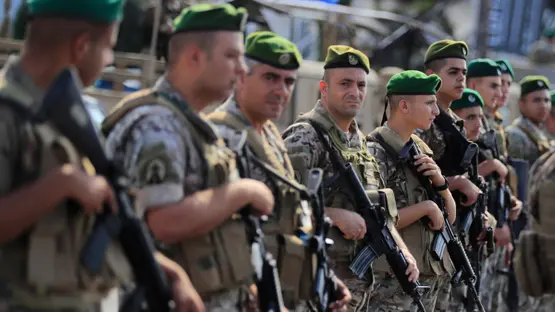
The Lebanese army and the General Security Directorate issued statements on Friday, declaring their officers are disciplined, professional, and loyal solely to their institutions and the nation. These statements were issued in response to recent international pressures and aimed to reaffirm the independence and integrity of Lebanese state security forces. These affirmations followed recent actions by the U.S. Department of the Treasury, which imposed sanctions on a group of Hezbollah-affiliated legislators, state security officials, and allies of the militant group. The sanctions represent a significant move by the United States to target individuals perceived as enabling Hezbollah's influence within the Lebanese government and security apparatus, aiming to curb the group's power and reach. The timing of these statements from Lebanese authorities suggests an effort to distance state institutions from the sanctioned individuals and to project an image of national sovereignty and impartiality in the face of external pressures.
The U.S. Sanctions were reportedly for individuals allegedly seeking to preserve Hezbollah's influence over Lebanese state institutions and obstruct disarmament efforts. The U.S. Treasury Department emphasized that these actions were part of a broader strategy to counter Hezbollah's destabilizing activities in Lebanon and the wider region. This marked the first instance Washington has sanctioned sitting Lebanese state security officials, signaling a new phase in U.S. Policy towards Lebanon and its institutions. Among those sanctioned were two officials from the General Security Directorate and military intelligence, who were accused of providing Hezbollah with "illicit support" and intelligence. These accusations suggest a deep-seated concern within the U.S. Government regarding the infiltration of state institutions by militant groups and their allies, further complicating the already volatile political landscape in Lebanon. The sanctions aim to disrupt the financial and logistical networks that support Hezbollah's operations and its ability to exert control over governmental functions, thereby weakening its overall capacity to operate both domestically and regionally. The U.S. Treasury Department elaborated that these measures are intended to promote accountability and transparency within Lebanese governance, encouraging a move away from the influence of non-state actors.