Published: 2026/05/22 9:51 AM Updated: 2026/05/22 9:51 AM
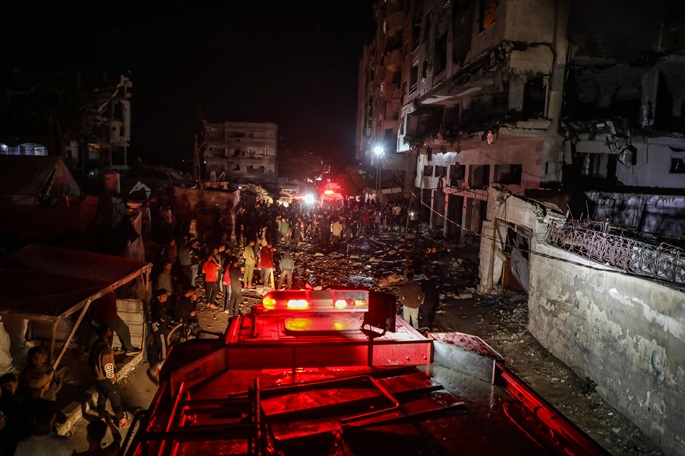
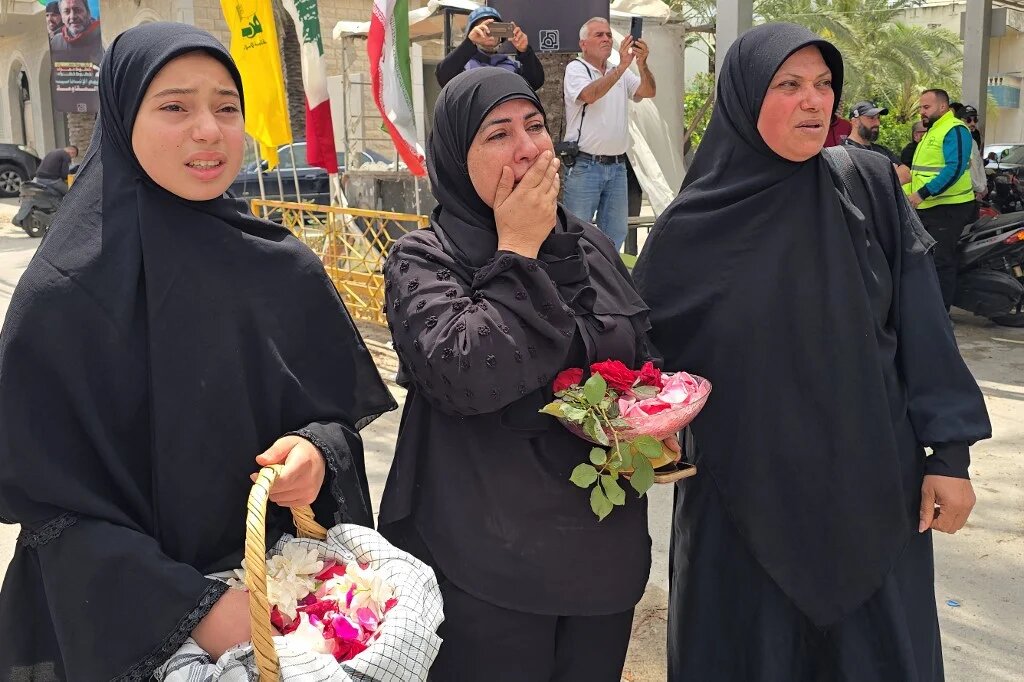
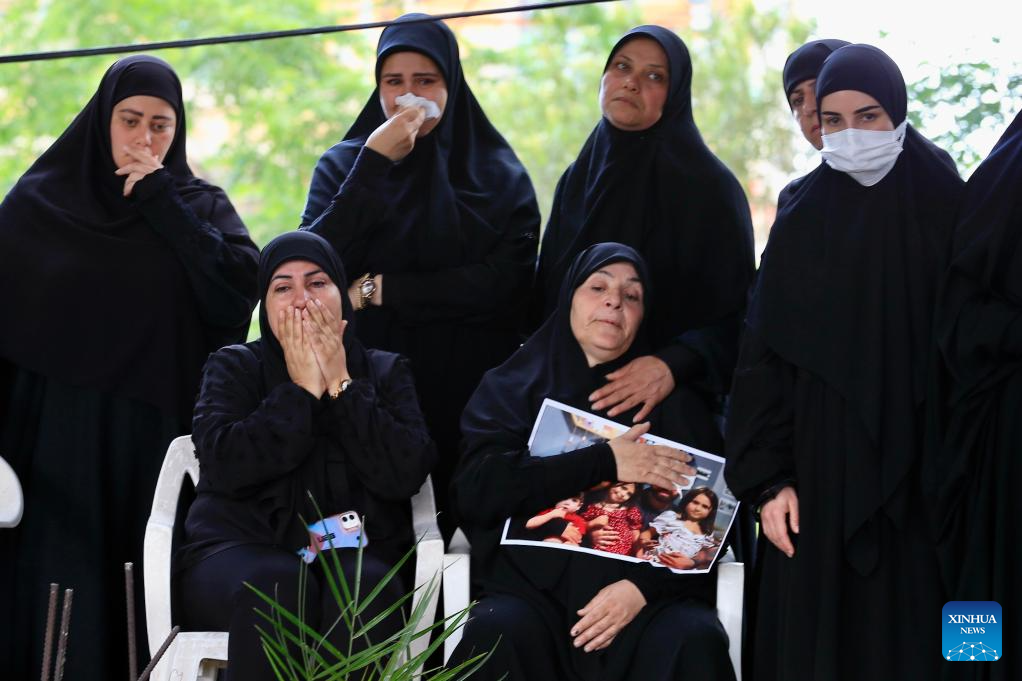
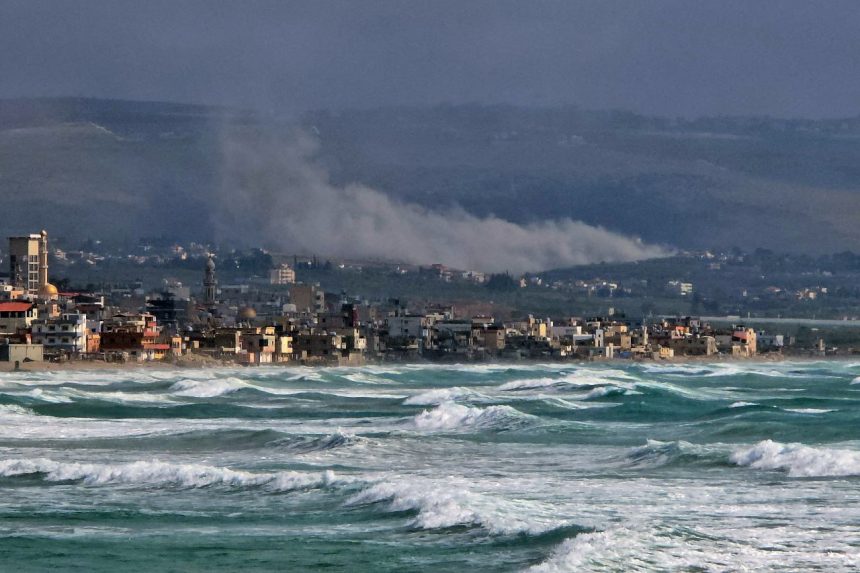
Israeli airstrikes targeted an emergency medical facility in southern Lebanon on Friday, killing four people and injuring two paramedics. Israeli warplanes launched multiple missiles at an emergency and healthcare center located in the town of Haniyeh in the Tyre district. The incident occurred on May 22, 2026, marking a significant escalation in cross-border hostilities. The facility, key for providing immediate medical aid to the local population, sustained considerable damage from the direct hits. Initial reports from the scene confirmed the fatalities and injuries, with medical personnel expressing grave concerns about the safety of healthcare operations in the region.
Second Strike Injures Nine
Nine people were wounded in another Israeli strike near Tebnine Government Hospital in the Bint Jbeil district earlier on Friday. The injured from this second incident included seven healthcare workers and hospital staff members, noting the direct impact on medical professionals. This strike, occurring within hours of the Haniyeh incident, further exacerbated the humanitarian situation in southern Lebanon. The proximity of the strike to a major hospital raised alarms about the protection of medical infrastructure and personnel under international humanitarian law. Medical staff at Tebnine Government Hospital were reportedly attending to routine duties when the strike occurred, causing widespread panic and further strain on already stretched resources.
Context of Escalation
The attacks on medical facilities in southern Lebanon occurred amid ongoing regional tensions. This period has seen persistent cross-border exchanges of fire between Israeli forces and militant groups operating from Lebanese territory. The broader region has experienced heightened instability, with attention focused on various flashpoints. These continuous exchanges have frequently resulted in civilian casualties and damage to essential infrastructure. Incidents of this nature have drawn international concern regarding the protection of civilians and essential services in conflict zones. The specific strikes on the emergency and healthcare center in Haniyeh and near Tebnine Government Hospital represent an escalation in the types of targets affected during these exchanges. Such actions raise serious questions about adherence to the principles of distinction and proportionality in armed conflict. The overall situation remains volatile, with no immediate signs of de-escalation in the wider geopolitical landscape affecting southern Lebanon, continuing to pose a severe threat to public safety and stability. The targeting of medical facilities, in particular, is viewed as a grave development in the ongoing regional dynamics.
International Response
International bodies and several nations have expressed concern regarding the protection of medical facilities and personnel in conflict zones. Reports of strikes on medical infrastructure in southern Lebanon have drawn calls for adherence to international humanitarian law, which strictly prohibits attacks on hospitals and medical units in armed conflicts. Organizations dedicated to safeguarding healthcare in emergencies have emphasized the inviolability of medical services, even amid ongoing regional tensions, stressing that medical neutrality must be respected by all parties. The incidents in Haniyeh and near Tebnine have been noted as examples of the severe risks faced by healthcare workers and civilians in areas experiencing cross-border exchanges, showing the urgent need for protective measures. Governments in Riyadh and Damascus have previously issued statements stressing the importance of de-escalation in the broader region, particularly concerning civilian infrastructure and the safety of non-combatants. The situation shows ongoing international efforts to ensure the safety of humanitarian operations and medical aid provision in affected areas, with appeals for all parties to exercise restraint and uphold their obligations under international law. The international community continues to monitor the situation closely, advocating for an immediate cessation of hostilities that impact civilian life and critical services.