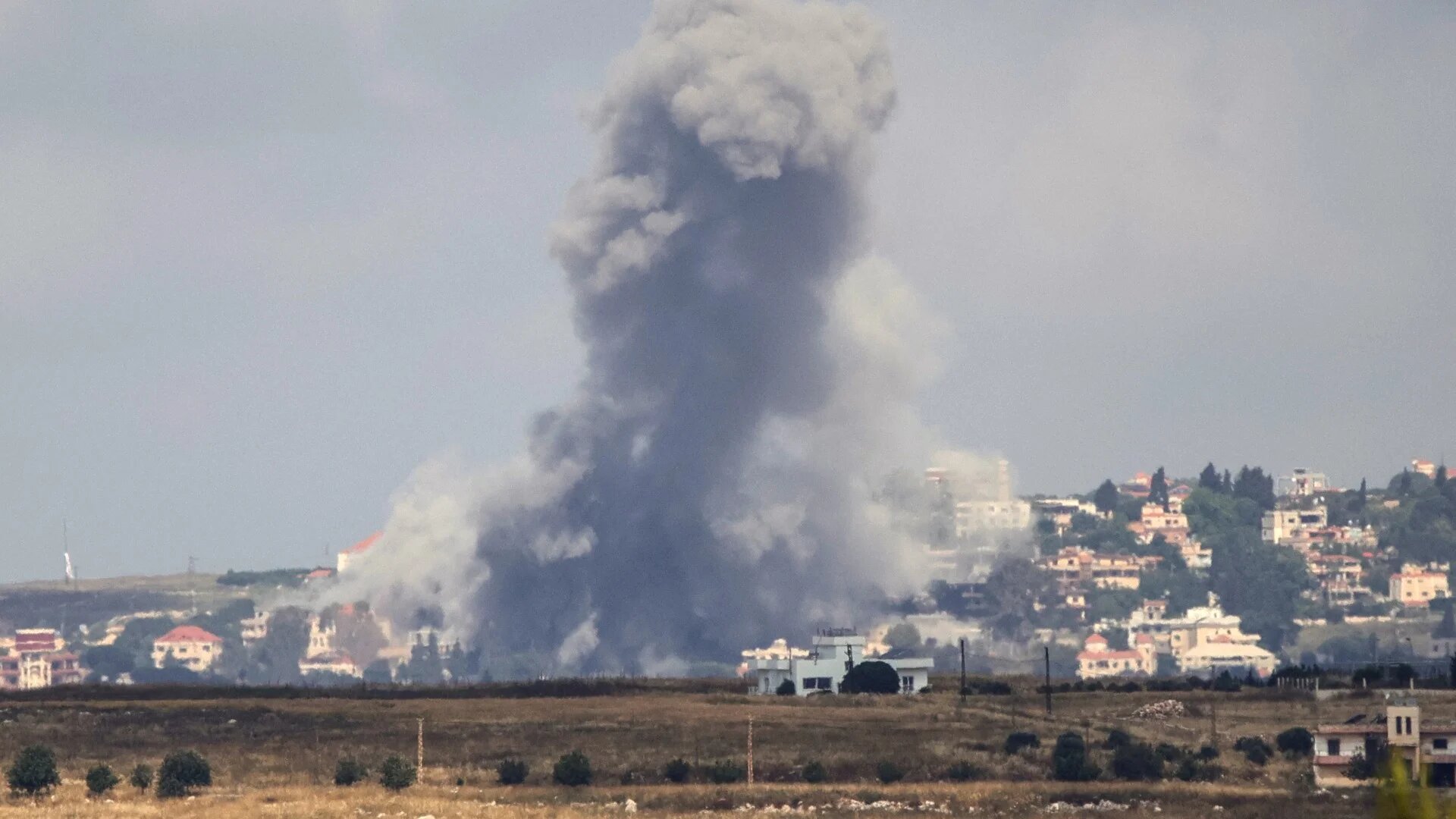
Widespread destruction was observed in the city of Tyre, southern Lebanon, following repeated Israeli bombing, according to video footage from the area. The strikes, which devastated parts of the city, occurred as of May 31, 2026. This development was updated three hours ago. The video footage from southern Lebanon clearly shows the widespread devastation, providing stark visual evidence of the impact of the repeated Israeli bombing campaigns on the city of Tyre.
Widespread Destruction Documented
Residential buildings and infrastructure sustained significant damage across Tyre, a city in southern Lebanon. The extent of the destruction became apparent through various reports and visual evidence emerging from the area. Emergency services and local residents were seen assessing the aftermath of the bombardment, with debris scattered widely across affected neighborhoods. Several structures were reduced to rubble, and others showed severe structural compromise, indicating the intensity of the strikes. The visual evidence, including numerous videos circulated online and through news channels, depicted a landscape of shattered homes and damaged public utilities. Many residential areas, once vibrant, now bear the scars of direct hits and collateral damage, leaving residents to contend with the immediate and long-term consequences. Local authorities have begun preliminary assessments, but the full scope of the damage is still being determined, with concerns growing over the habitability of many affected structures.
The incidents in Tyre contribute to an ongoing pattern of conflict along the border region between Lebanon and Israel. Both sides have exchanged fire repeatedly, leading to concerns from international bodies regarding civilian safety and regional stability. The recent airstrikes have further exacerbated the humanitarian situation in southern Lebanon, with many residents already displaced due to previous escalations. Local authorities are working to catalog the full scope of the damage and provide aid to those affected by the destruction. The situation remains tense, with continued surveillance and military activity reported in the vicinity of Tyre and other southern Lebanese towns. The repeated nature of these bombardments has instilled a deep sense of insecurity among the population, prompting calls from humanitarian organizations for an immediate de-escalation to protect civilian lives and infrastructure.
Recent Developments
The Israeli airstrikes on Tyre, southern Lebanon, occurred on May 31, 2026. This date marks the most recent significant escalation in the region, leading to widespread destruction across the city. The bombardment resulted in considerable damage to residential buildings and critical infrastructure, as documented by video footage and reports emerging from the area. Emergency services have been actively involved in assessing the aftermath, with debris observed across affected neighborhoods. Several structures were reduced to rubble, and many others displayed severe structural compromise following the intensity of the strikes. The events of May 31, 2026, show the ongoing tensions in the border region between Lebanon and Israel, contributing to concerns over civilian safety and regional stability. The immediacy of the update, just three hours prior, notes the rapidly unfolding nature of the situation and the continuous flow of information regarding the conflict. The repeated Israeli bombing of Tyre has been a focal point of recent reports, with the visual evidence from the ground painting a grim picture of the humanitarian impact.
Broader Conflict Context
The recent Israeli airstrikes on Tyre are part of a wider conflict involving Lebanon and Israel, which has seen repeated exchanges of fire. Tensions have been particularly high along the border, with both sides engaging in military actions. Hezbollah, a significant political and paramilitary organization in Lebanon, has been a key actor in this ongoing confrontation. The Israeli government, under Prime Minister Benjamin Netanyahu, has stated its commitment to ensuring the security of its northern border. This broader context frames the devastations witnessed in southern Lebanon, including the city of Tyre. The strategic importance of the border region often places civilian populations in the direct path of hostilities, leading to recurring cycles of violence and destruction. The actions taken by both sides are frequently presented as responses to prior provocations, perpetuating a cycle of escalation that deeply impacts communities like Tyre. The international community continues to monitor the situation closely, urging restraint and adherence to international humanitarian law to prevent further loss of life and displacement.