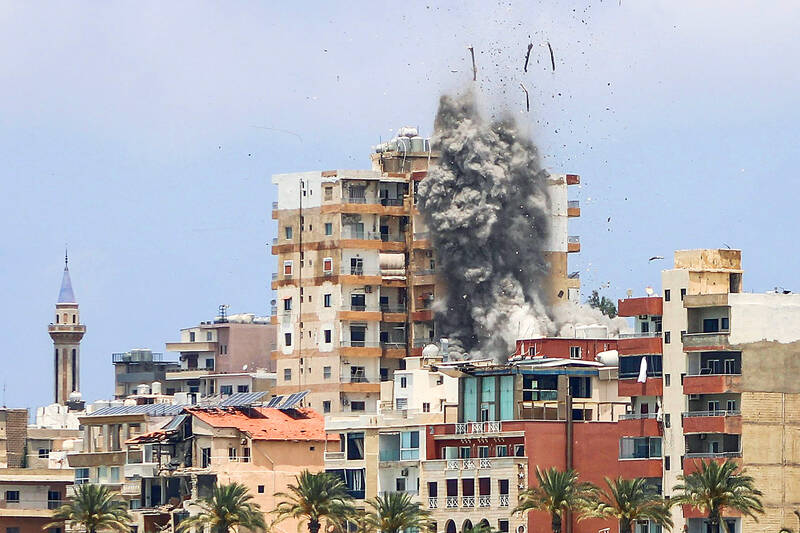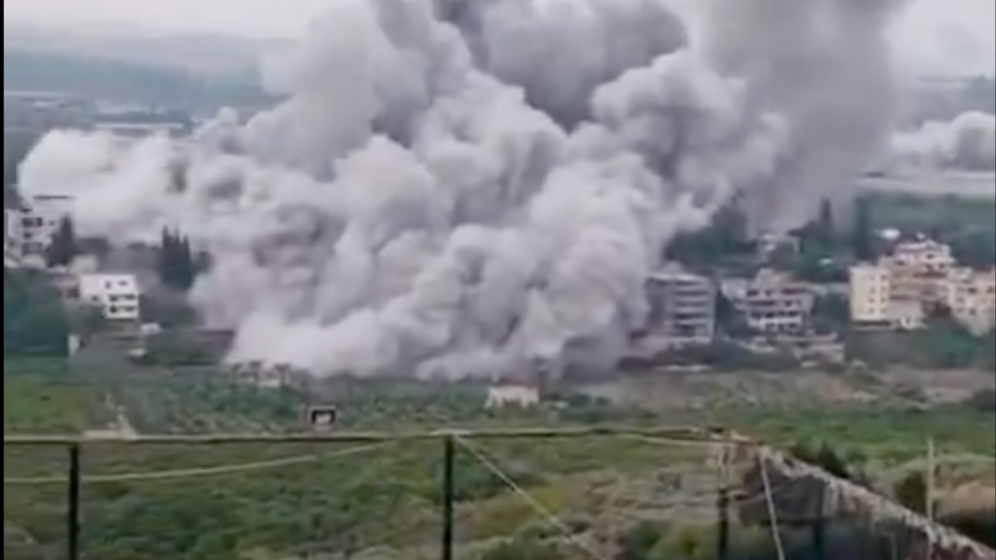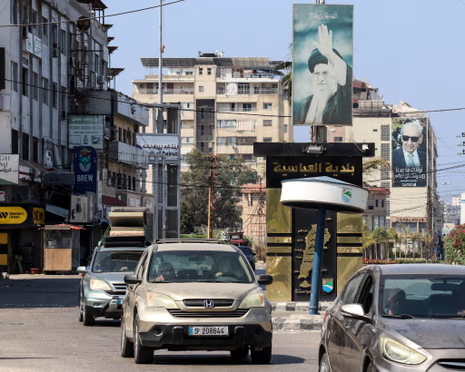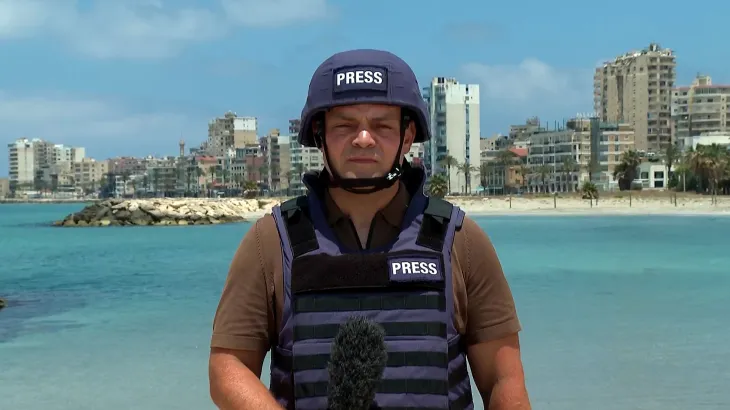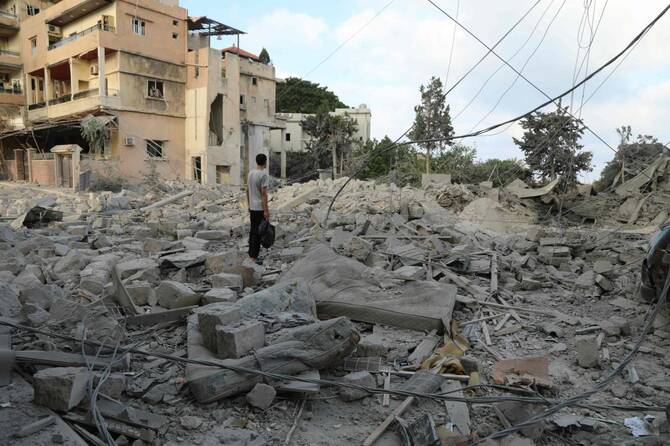
An Israeli airstrike in Tyre, Lebanon, killed at least eight people on Tuesday, according to Lebanon's health ministry. The strike also wounded 32 others in the city located in south Lebanon. The health ministry described the incident as a pre-warning strike, specifying the casualty figures from the aerial bombardment. This particular aerial bombardment, which led to the fatalities and injuries, occurred amidst escalating tensions in the region. The Israeli military issued an evacuation warning for the entire city of Tyre shortly after the strike, instructing residents to leave their homes and seek safety away from the coastal city. This warning showed the immediate danger faced by the civilian population in the wake of the military operation.
Escalation in Southern Lebanon
Lebanon’s state-run National News Agency (NNA) reported that Israeli forces conducted raids on more than a dozen other locations across the country’s south, indicating a broad scope of military activity beyond Tyre. These operations suggest a sustained and widespread campaign by Israeli forces in the southern Lebanese territories. The Israeli army previously declared all areas south of the Zahrani River as “combat zones” last month. This declaration effectively designated a significant portion of southern Lebanon as an active battlefield. The Zahrani River is situated approximately 30 kilometers (20 miles) north of Tyre, placing the city well within the area designated by the Israeli military as a combat zone. This categorization by the Israeli army serves as a formal warning to residents and a justification for military actions within that geographical scope.
On Monday, Lebanon’s health ministry stated that Israeli strikes on south Lebanon killed at least 14 people. Five of these fatalities occurred in a strike near a Red Cross center in Tyre, noting the proximity of military operations to humanitarian facilities. These incidents contribute to the mounting casualty figures reported by Lebanese authorities. Lebanese authorities report that Israeli attacks since March have resulted in the deaths of more than 3,600 people and displaced over one million others within Lebanon. These figures paint a grim picture of the humanitarian impact of the ongoing conflict, with a significant portion of the population forced to flee their homes due to the violence. The displacement of over one million people represents a severe humanitarian crisis, placing immense strain on resources and aid organizations within Lebanon.
Regional Tensions and Background
Hezbollah initiated actions against Israel on March 2, drawing Lebanon into the broader Middle East conflict in support of Iran. This action marked a significant escalation, intertwining Lebanon's security situation with wider regional dynamics. The group remains the sole Lebanese entity that declined to relinquish its weapons following the conclusion of the civil war in 1990. This refusal has maintained a significant military presence independent of the state, allowing Hezbollah to operate as a potent non-state actor with considerable military capabilities. Its continued armed status is a central point of contention both domestically and internationally. Iran had issued a warning the previous day, stating it would restart attacks on Israel if Israeli operations against its neighbor persisted. That warning showed ongoing regional tensions and the interconnected nature of the conflict, with Iran signaling its readiness to intervene or retaliate.
Neither Israel nor Hezbollah has honored a ceasefire that was initially declared in April. The continued disregard for the truce has led to sustained cross-border exchanges, perpetuating the cycle of violence. This failure to respect the ceasefire has dashed hopes for de-escalation and has instead contributed to the worsening security situation. These actions contribute to the volatile security situation in the region, affecting civilian populations and infrastructure. The unresolved status of Hezbollah's arsenal and foreign support for its activities remain central to the persistent instability along the border, making any lasting peace agreement challenging. The ongoing hostilities have created a climate of fear and uncertainty for residents on both sides of the border.
Military Claims and Warnings
The Israeli military issued an evacuation warning for the entire city of Tyre shortly after the strike, instructing residents to leave. This immediate warning followed the deadly airstrike, emphasizing the perceived threat in the area. Last week, Israel’s military alleged that members of Hezbollah were operating within Tyre’s Christian quarter. This claim suggests that Hezbollah's presence extends into civilian areas, which Israel uses to justify its military operations in such locations. On the Israeli side, the army has reported that 29 soldiers and one civilian contractor have been killed in Lebanon, noting the casualties sustained by Israel in the cross-border exchanges. These figures reflect the human cost of the conflict for Israeli forces and personnel.
The warning to Tyre residents followed an earlier declaration by the Israeli army last month, designating all areas south of the Zahrani River as "combat zones." This river is located approximately 30 kilometers (20 miles) north of Tyre, placing the city squarely within the declared zone of active military operations. The military’s claims regarding Hezbollah activity in civilian areas coincide with an increase in cross-border exchanges, suggesting a direct link between alleged Hezbollah presence and Israeli military responses. The repeated warnings and declarations by the Israeli military indicate a strategic effort to control the narrative and manage civilian populations in areas they deem to be targets. The heightened military activity and the civilian displacement show the severe impact of the conflict on the lives of ordinary people in southern Lebanon.