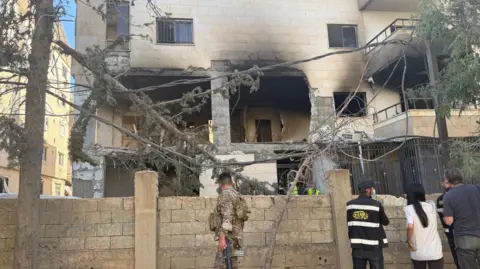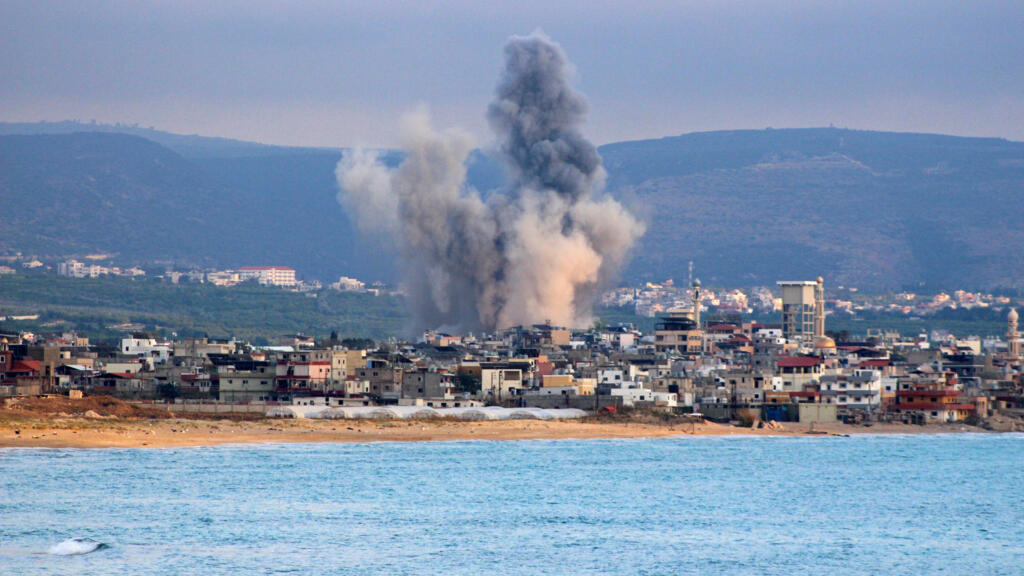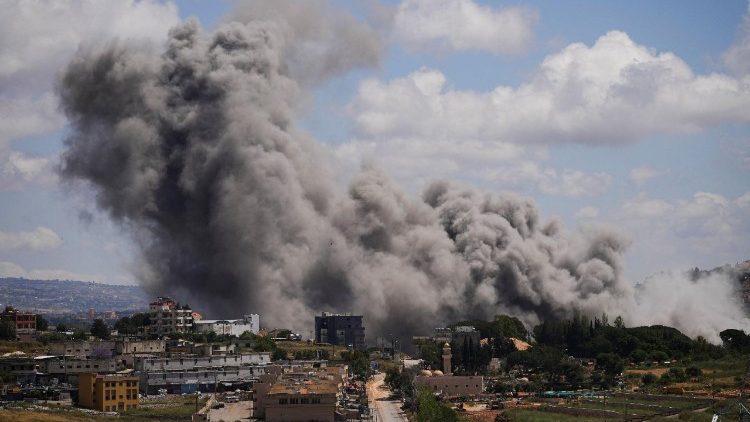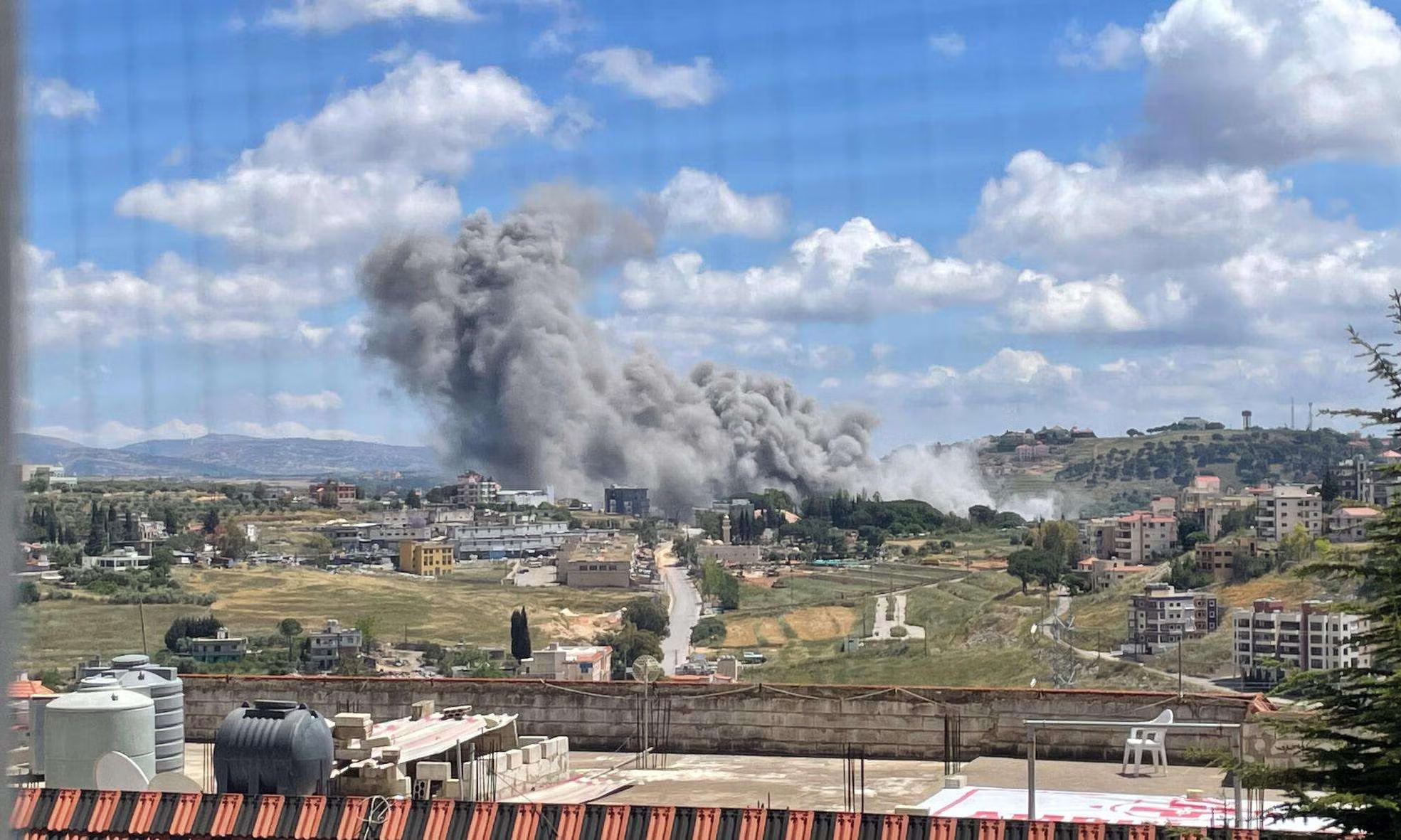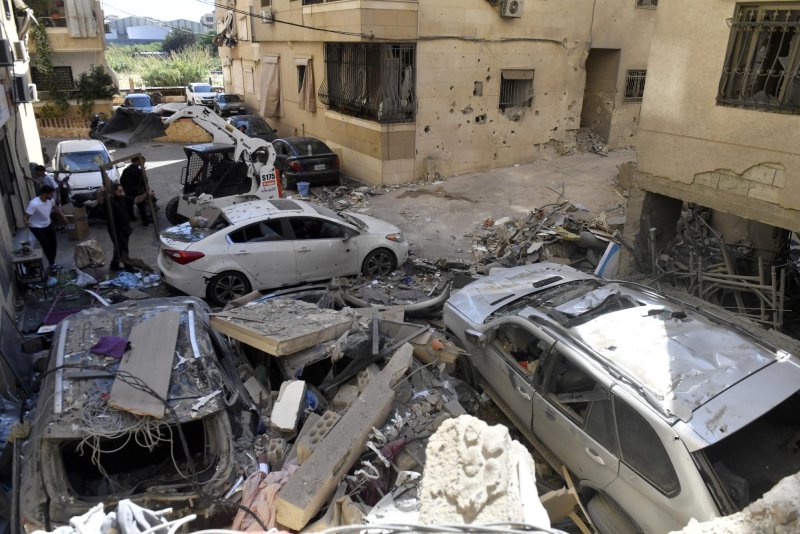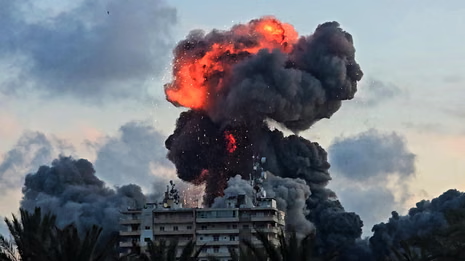
An Israeli strike targeted suspected Hezbollah infrastructure in the southern Lebanese city of Tyre, with eyewitness footage capturing the moment of impact. The incident occurred early on Thursday, coinciding with new evacuation warnings issued for the city by Israel’s military. Eyewitness footage specifically showed the precise moment the Israeli strike impacted the suspected Hezbollah infrastructure in the southern Lebanese city of Tyre, noting the intensity of the operation. These new evacuation warnings, issued early on Thursday, add to the growing concerns of residents in the area, urging them to seek safety as military actions escalate.
Escalation in Southern Lebanon
Since March 2, Israeli strikes have impacted Lebanon's south, east, and its capital, Beirut. These operations have resulted in the deaths of more than 3,200 people, according to data released by Lebanon's health ministry. The sustained military campaign has seen Israeli forces pummel various locations across Lebanon, including critical infrastructure and residential areas. The significant casualty count reported by Lebanon's health ministry shows the severe human cost of the ongoing conflict, affecting a wide range of communities far beyond the immediate border regions. These strikes represent a continuation of heightened tensions and military engagements that have characterized the region for weeks.
Broader Displacement Crisis
More than 1.2 million Lebanese people have been displaced from their homes since March 2, according to official figures. This displacement directly results from Israeli strikes and the subsequent evacuation orders issued by the Israeli military across various regions. The scale of internal displacement notes the significant humanitarian impact on the civilian population in Lebanon, as ongoing military actions continue. Many displaced individuals have sought refuge in safer areas within the country, facing challenges related to shelter, resources, and long-term stability. The continuous movement of people shows the volatile security situation in southern Lebanon and other affected territories. The sheer number of people forced to leave their homes since early March paints a stark picture of the widespread disruption and suffering caused by the conflict. Humanitarian organizations are struggling to meet the escalating needs of this large displaced population, which includes access to basic necessities like food, water, and medical care.
Regional Conflict Context
Hezbollah has conducted missile and rocket fire into Israel, characterizing these actions as supportive of Iran. This activity has been a significant factor in the sustained cross-border hostilities between Israel and Lebanon. The Lebanese group has stated its operations are in solidarity with broader regional objectives. The ongoing exchanges have contributed to the heightened security situation along the border, prompting military responses from both sides. The group’s involvement shows the intricate connections of various actors in the wider Middle East. These engagements have consistently been cited by Israel as justifications for its military operations in Lebanese territory. Hezbollah's actions, including firing missiles and rockets into Israel, are framed by the group as part of a larger regional strategy, specifically in support of Iran. This strategic alignment adds another layer of complexity to the already volatile situation, linking the Lebanese-Israeli border conflict to broader geopolitical dynamics in the Middle East. The continuous cycle of attacks and retaliations maintains a state of elevated alert for both military forces and civilian populations on both sides of the border.
Impact of Ongoing Strikes
Ongoing military actions in southern Lebanon have led to significant civilian consequences. The Israeli strikes, which have targeted various locations including Tyre, have prompted widespread displacement. More than 1.2 million Lebanese people have been displaced from their homes since March 2, according to official figures from Lebanon. This displacement is a direct result of the continuous strikes and the evacuation orders issued by the Israeli military. The humanitarian impact on the civilian population in Lebanon is substantial, as individuals seek refuge and face challenges related to shelter and resources. The sustained cross-border hostilities between Israel and Lebanon continue to exacerbate the security situation in the region. The repeated targeting of areas like Tyre shows the broad geographical scope of the Israeli military's operations within Lebanon. This has not only led to the massive displacement of over 1.2 million Lebanese people but also created an acute humanitarian crisis. The constant threat of military action makes it difficult for displaced families to plan for their future or return to their homes, contributing to long-term instability and hardship.