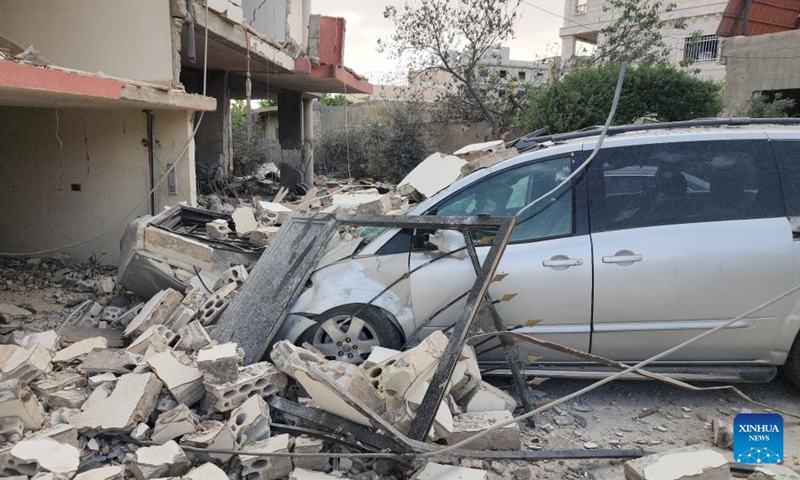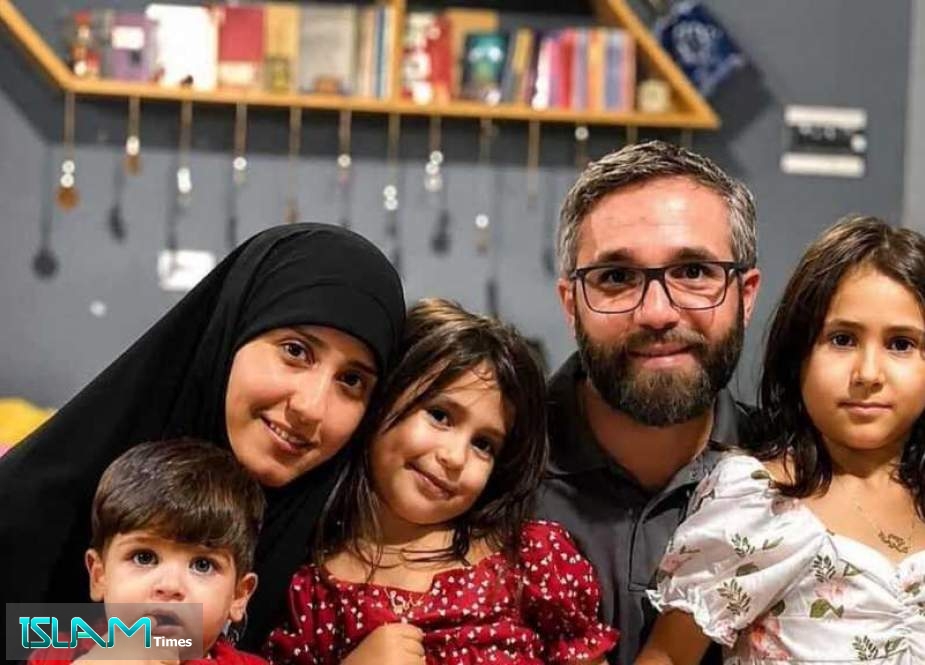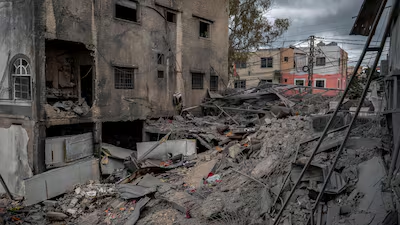
An Israeli air strike killed at least 12 people, including five children from a single family, in the village of Deir Qanoun in south Lebanon. The incident occurred as Israeli forces launched an air assault on the area, marking a significant escalation in the ongoing conflict. The casualties, particularly the loss of five children from one family, show the devastating impact of the violence on civilian populations. The attack on Deir Qanoun has drawn immediate international attention and raised concerns about adherence to humanitarian law in the conflict zone.
Escalating Violence and Casualties
Since March 2, Israeli attacks have killed 3,072 people and injured 9,362 in Lebanon, according to figures released by the Health Ministry. This data indicates a significant increase in casualties over recent months, noting the deteriorating security situation. The relentless nature of the Israeli campaign has had profound consequences for the civilian population.
The Israeli campaign has led to the forced displacement of residents from dozens of villages and towns across Lebanon. Thousands have been compelled to abandon their homes and livelihoods, seeking refuge in safer areas. Humanitarian organizations have expressed grave concern over the growing number of displaced persons, warning of a looming humanitarian crisis as resources become stretched and winter approaches. The displacement has disrupted daily life, education, and access to essential services for countless families.
In total, 700 people have been killed in Israeli strikes on Lebanon since a US-brokered truce was announced. The ongoing violence continues to impact civilian populations in the region, leading to widespread suffering and instability. The repeated cycles of escalation and truce violations have made it difficult for communities to rebuild and recover.
Political Divisions on Negotiations
Lebanon's President Joseph Aoun and Prime Minister Nawaf Salam have publicly expressed support for direct negotiations with Israel, viewing diplomacy as a key pathway to de-escalation. A third round of talks between Lebanon and Israel concluded last week in Washington. These discussions, aimed at fostering stability, resulted in an agreement to extend the existing ceasefire for an additional 45 days. The ongoing diplomatic efforts aim to de-escalate tensions and secure a more lasting peace in the region, despite the persistent challenges.
Lebanon's Stance and Health Sector Impact
Hezbollah and divisions within Lebanon's Cabinet oppose direct negotiations between Lebanon and Israel. This stance contrasts sharply with the public support for negotiations expressed by President Joseph Aoun and Prime Minister Nawaf Salam, revealing deep political rifts within the Lebanese government. The political divisions highlight ongoing challenges in forming a unified approach to the conflict, complicating efforts to present a cohesive front in international discussions. This internal disagreement makes the path to a full peace agreement even more arduous.
Fighting between Israel and Hezbollah resumed on March 2, contributing to the escalating tensions in the region. This resumption of hostilities followed an earlier truce, indicating a volatile security situation along the border. The continued clashes have significant implications for Lebanon's stability and its efforts to address the humanitarian impact of the violence. The health sector, in particular, has been severely strained by the influx of casualties and the displacement of medical personnel and resources. Hospitals and clinics in southern Lebanon are struggling to cope with the demand for emergency services, while the broader health infrastructure faces significant challenges due to the ongoing conflict.
Official Reactions and Concerns
Lebanese President Joseph Aoun and Prime Minister Nawaf Salam have not yet publicly commented on the air strike in Deir Qanoun. The incident, which killed 12 people in south Lebanon, is expected to draw strong official reactions from various international bodies and human rights organizations. Concerns are likely to be raised regarding the continued violence and its disproportionate impact on civilian populations, particularly women and children. The international community is closely watching the developments, urging all parties to exercise restraint and prioritize the protection of non-combatants. The lack of immediate comment from Lebanese leadership may indicate ongoing internal deliberations or a strategic decision regarding the timing of their response.