Israeli attacks on southern Lebanon have killed at least eight people, according to reports. The latest wave of hostilities has seen targeted strikes across various locations in the region, intensifying concerns about the fragile security situation. These incidents occurred despite a United States-mediated ceasefire that was recently extended until the beginning of July, noting persistent violations and a continued escalation of conflict.
Deadly Strikes Across South
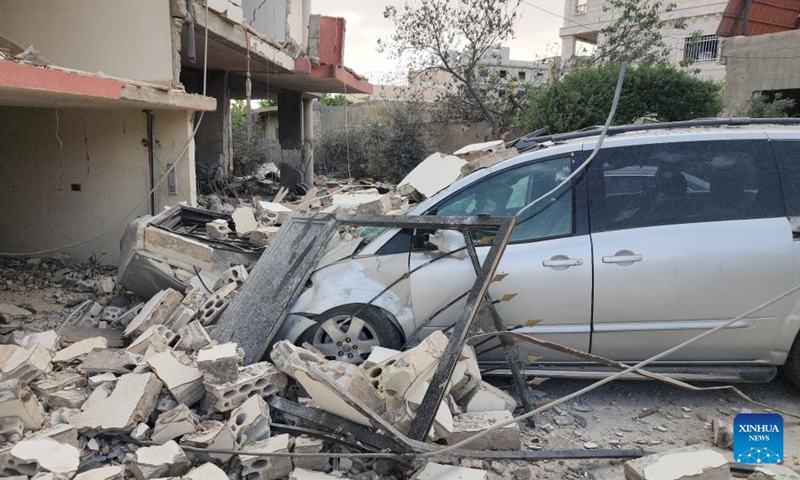
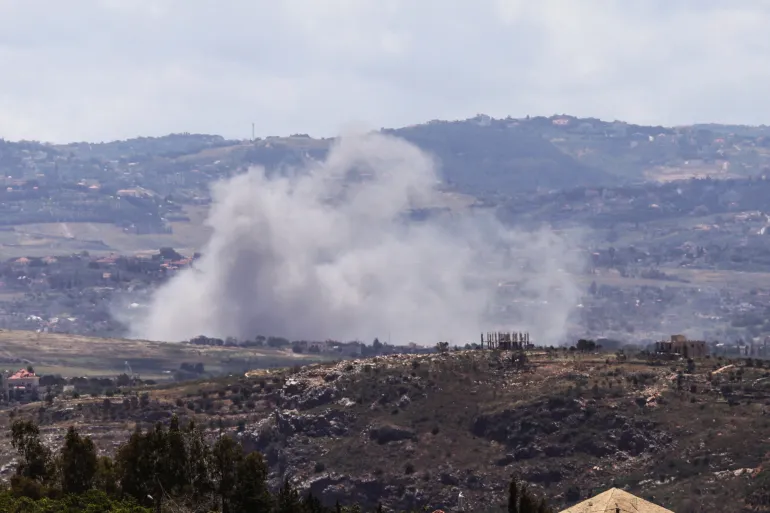
On Wednesday, Israeli fighter jets struck the village of Doueir, killing five people and injuring two others. The aerial assault on Doueir was particularly destructive, resulting in several homes being flattened and causing significant damage to the residential area. This strike shows the increasing intensity of the Israeli military campaign in southern Lebanon.
Separately, another Israeli attack killed two people near a hospital in the village of Tibnin. The proximity of the strike to a medical facility raises additional concerns about the safety of civilians and critical infrastructure in the conflict zone. In the village of Burj Shemali, located within the Tyre district, a drone attack killed one person who was riding a motorcycle. This incident adds to the growing casualty count and demonstrates the varied methods of attack being employed. In the Nabatieh governorate, the Red Cross recovered the body of one person on the outskirts of the town of Shebaa, bringing the total reported fatalities from recent strikes to at least eight.
These recent events follow a series of earlier Israeli air attacks across southern Lebanon on Tuesday, which killed at least 16 people. Among the victims of Tuesday's attacks were three women and three children, a detail that shows the devastating impact on civilian populations, including vulnerable groups. The Lebanese authorities have not yet released full details on all the casualties from the latest strikes, but initial reports indicate a significant loss of life and widespread damage. The ongoing nature of these attacks suggests a sustained military operation by Israeli forces in the region.
Expanded Campaign and Clashes
Israeli attacks across Lebanon are continuing despite the United States-mediated ceasefire, which was intended to de-escalate tensions and provide a window for diplomatic solutions. The ceasefire, recently extended until early July, appears to be failing in its objective to halt hostilities.
The Lebanese armed group Hezbollah reported that its forces clashed with Israeli troops attempting to advance into the center of the village of Haddatha late last night. These ground engagements indicate a broader scope of military activities beyond aerial bombardments. Hezbollah also stated that it engaged Israeli forces in clashes within the town of Biyyada and the municipality of Rashaf, suggesting multiple points of confrontation along the border. These clashes highlight the direct military engagements between the two sides, further complicating efforts to maintain peace.
Reports from the region indicate that Israeli forces are expanding their military campaign into the western Bekaa Valley. This expansion marks a significant geographical broadening of the conflict, moving beyond the immediate border areas and into more central parts of Lebanon. The ongoing hostilities show the persistent tensions along the border despite diplomatic efforts to secure a durable truce, signalling a dangerous escalation that could destabilize the wider region.
Broader Context and Impact
The cumulative impact of the ongoing conflict has been severe. Since March 2, Israel has killed 3,073 people in Lebanon and injured 9,362 others, according to reports. These figures represent a significant toll on human life and health within the country. The ongoing conflict has also led to a significant humanitarian crisis within Lebanon's borders, displacing a large portion of its population.
More than 1.6 million people have been displaced in Lebanon, a figure that represents approximately one-fifth of the nation's total population. These displacements show the widespread impact of the hostilities, affecting numerous communities beyond the immediate border regions and creating immense challenges for humanitarian response efforts. The large-scale internal displacement puts immense pressure on humanitarian organizations and local infrastructure, which are already strained. The reported casualties and mass displacement highlight the severe consequences of the continued military engagements across southern Lebanon, painting a grim picture of the humanitarian situation and the urgent need for a lasting cessation of hostilities. The continuous violation of the ceasefire agreement exacerbates these challenges, prolonging the suffering of civilians and hindering any prospects for recovery and stability in the affected areas.