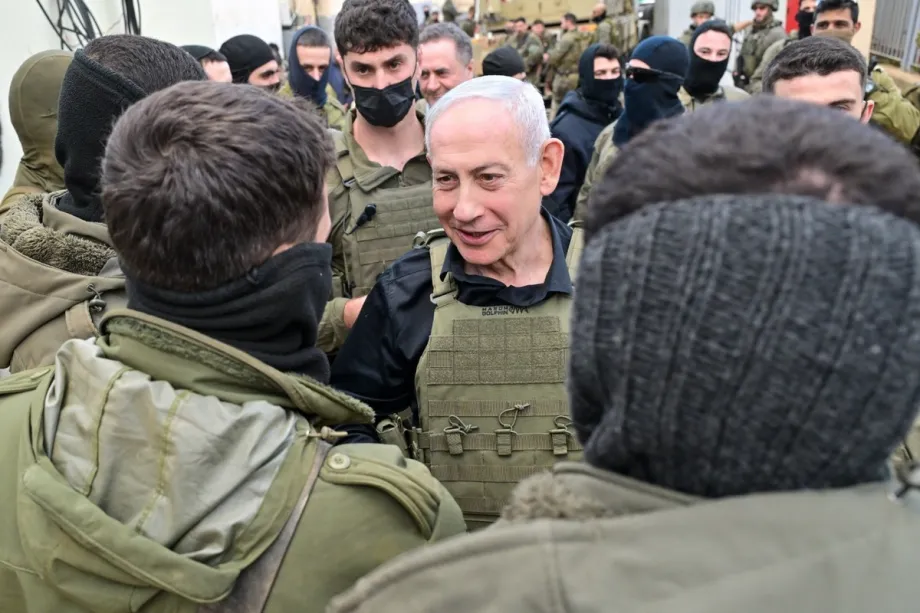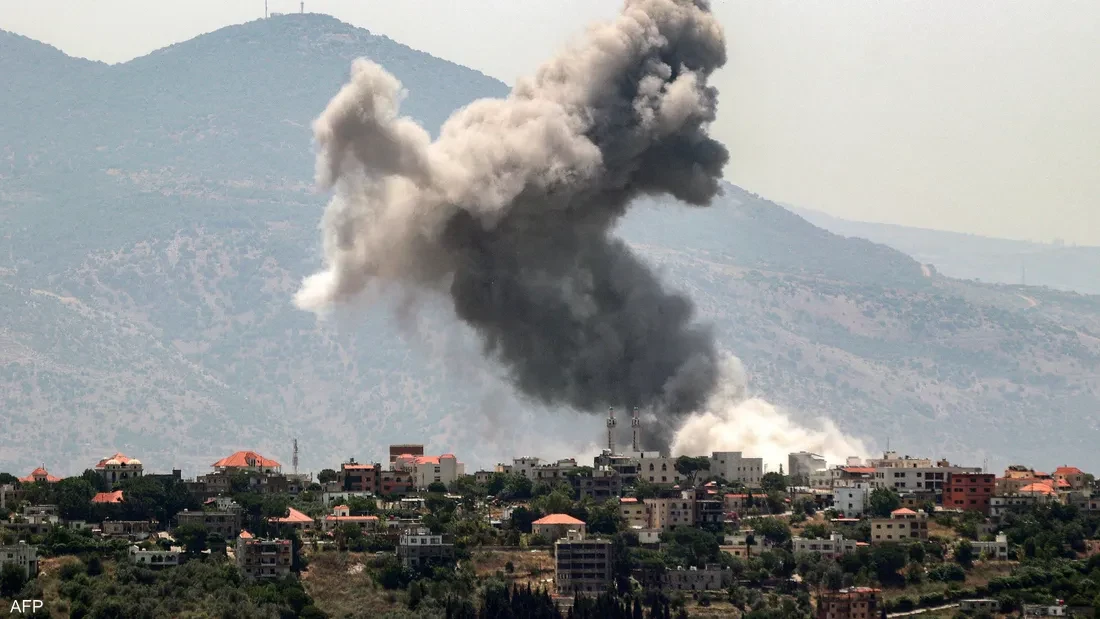
Israeli warplanes conducted dozens of airstrikes across southern Lebanon on Tuesday, marking a significant escalation in cross-border hostilities. These extensive aerial operations show a notable increase in the intensity and scope of military engagement in the region. Concurrently, Hezbollah announced it had carried out multiple operations against Israeli forces throughout the day, responding to the Israeli actions and initiating its own series of attacks. The Israeli military stated its jets struck Hezbollah targets, including military compounds and infrastructure, in various locations such as Yaroun, Marwahin, and Houla. These actions followed increased rocket fire from Lebanon into northern Israel, which prompted a strong Israeli response. The intensified exchange shows an expanding operational tempo in the border region, indicating a deepening conflict between the two sides.
Extensive Strikes Hit Southern Villages
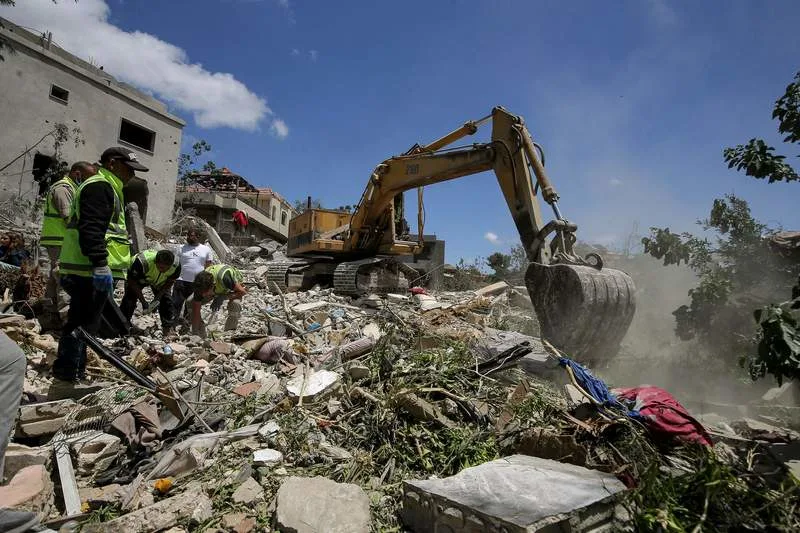
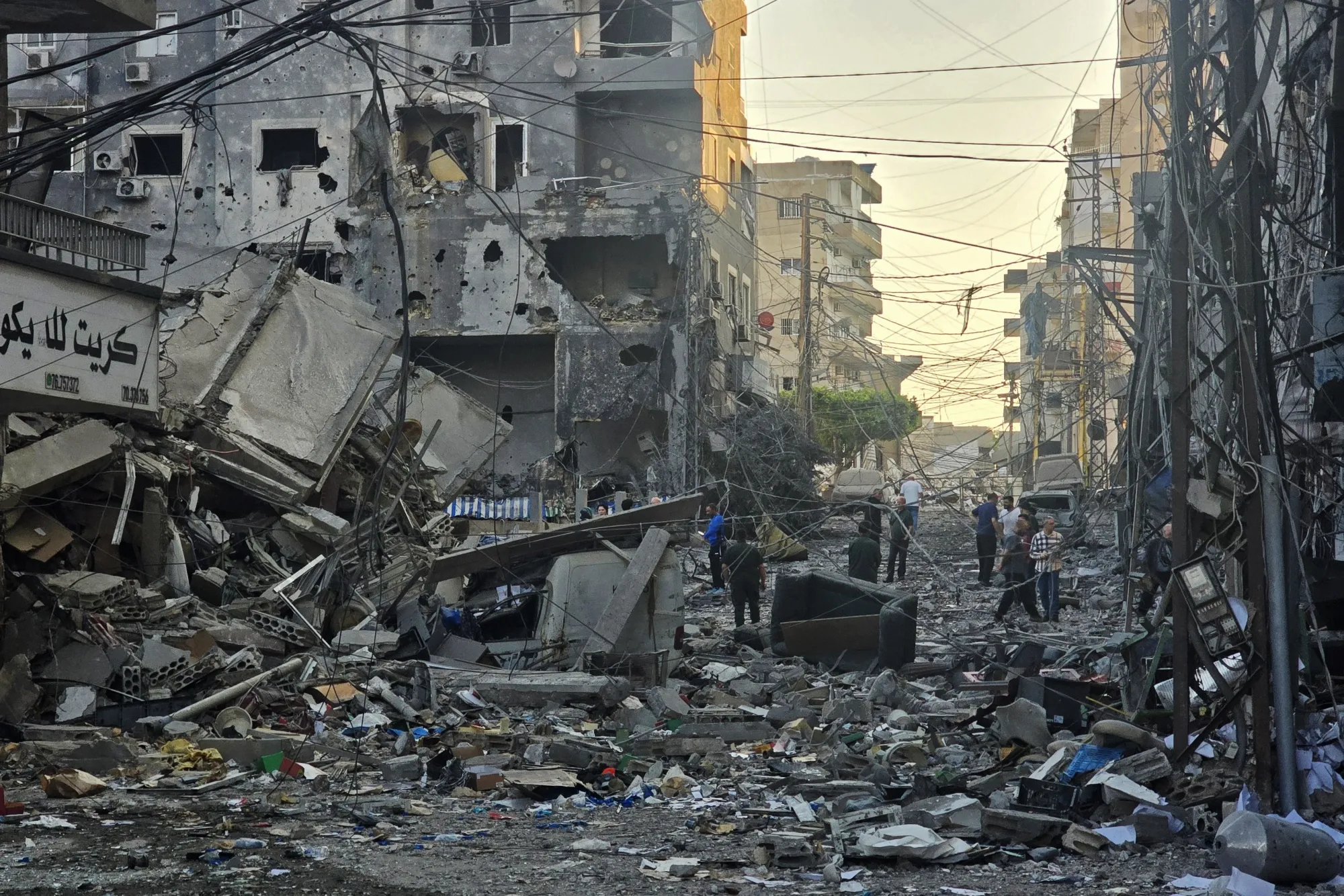
Israeli aircraft and artillery conducted extensive strikes across southern Lebanon, targeting villages in the districts of Nabatieh, Bint Jbeil, Tyre, and al-Zahrani. The widespread bombardment hit numerous localities, causing significant damage and disruption. Among the affected areas were Choukine, Zawtar al-Sharqiya, Selaa, Haris, Shhour, Yater, Kafra, al-Rayhan, Qaqaiyat al-Jisr, and al-Housh. Additional strikes were reported in Doueir, Mayfadoun, Srifa, Yohmor al-Shaqif, Braachit, Nabatieh, Arnoun, Kfarjouz, Habboush, al-Kfour, Deir al-Zahrani, Kfarrumman, and Kfartebnit. Further villages affected by the Israeli operations included Maarakeh, al-Qaraoun, Mashghara, Majdal Silm, and Qabrikha. These attacks resulted in the deaths of at least 6 people and left 10 others injured across the targeted areas, noting the human cost of the escalating conflict. The sheer number of targeted locations reflects a broad and sustained campaign by Israeli forces across southern Lebanon.
Hezbollah Escalates Litani River Front
Hezbollah intensified its operations in the area near the Litani River, stating that most of its attacks concentrated around Zawtar al-Sharqiya. The group said it launched rockets and drones, targeting Israeli military positions and vehicles. Hezbollah also reported downing two Israeli drones over the towns of Srifa and Deir Kifa, demonstrating its capabilities in air defense. The organization stated it targeted two Israeli Nimr armored vehicles in Zawtar al-Sharqiya and Bint Jbeil using attack drones, showcasing precision targeting. Additionally, Hezbollah claimed responsibility for striking an Israeli Hummer vehicle in Bint Jbeil, further illustrating its focus on Israeli ground assets. These actions signal a concentrated effort by Hezbollah to increase its operational tempo along this particular front, aiming to inflict casualties and disrupt Israeli military movements. The group's emphasis on the Litani River area suggests a strategic focus on a key geographical boundary.
Broader Conflict Context and Casualties
The Israeli military has expanded its operations, initiating actions north of the Litani River in southern Lebanon, indicating a significant geographical extension of its engagement. This move marks a notable shift in the conflict's scope, pushing beyond previously observed operational boundaries. Since March 2, the Israeli military has conducted more than 8,500 strikes in the region, reflecting a sustained and intensive campaign against targets in southern Lebanon. These operations have led to significant casualties, according to figures released by the Health Ministry. The ministry reported 3,213 deaths and 9,737 injuries resulting from these strikes, showing the severe impact on the civilian population. The casualties include women and children, noting the broader impact of the ongoing conflict in the area and the humanitarian consequences of the intensified military actions. The widening scope of military activity indicates an intensification of the cross-border hostilities, with both sides demonstrating an increased willingness to escalate their operations. The cumulative figures of strikes and casualties paint a grim picture of the prolonged and increasingly violent confrontation.