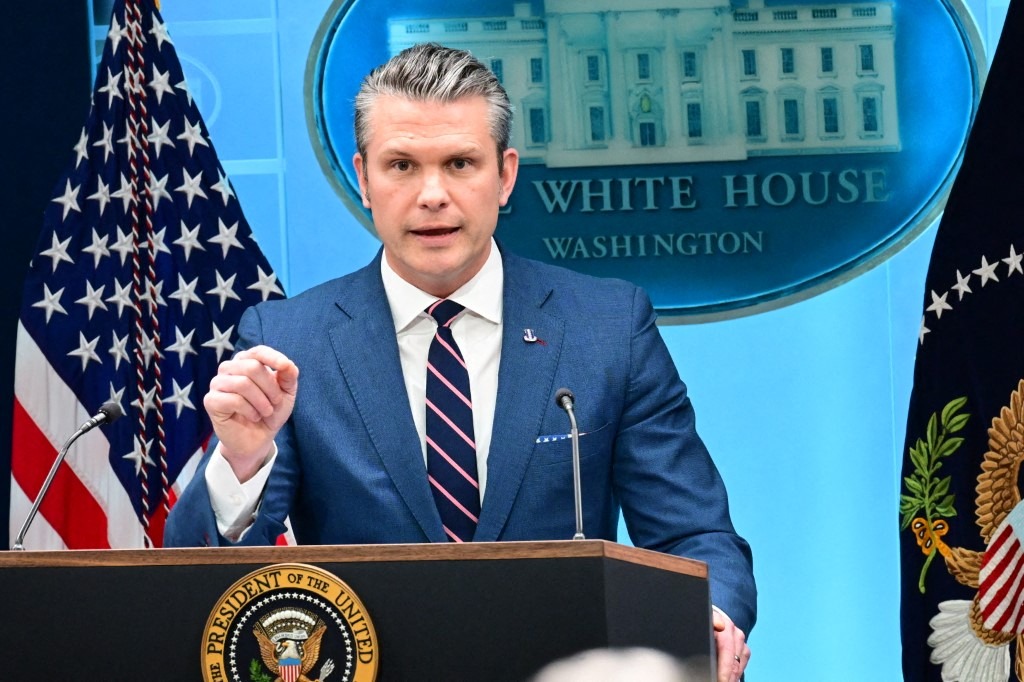
Israel's Defense Minister Israel Katz held discussions with his US counterpart Pete Hegseth early Thursday, according to sources familiar with the exchange. The talks focused on regional security concerns, particularly Israel’s commitment to maintaining troops in specific border areas. This dialogue comes as Israel reiterates its stance on security needs in zones adjacent to the Gaza Strip, Lebanon, and Syria. The Israeli government has consistently stated that its military presence in these regions is key for national defense. The engagement between the two defense leaders shows the ongoing strategic coordination between Israel and the United States on matters of regional stability and security.
Defense Minister's Stance
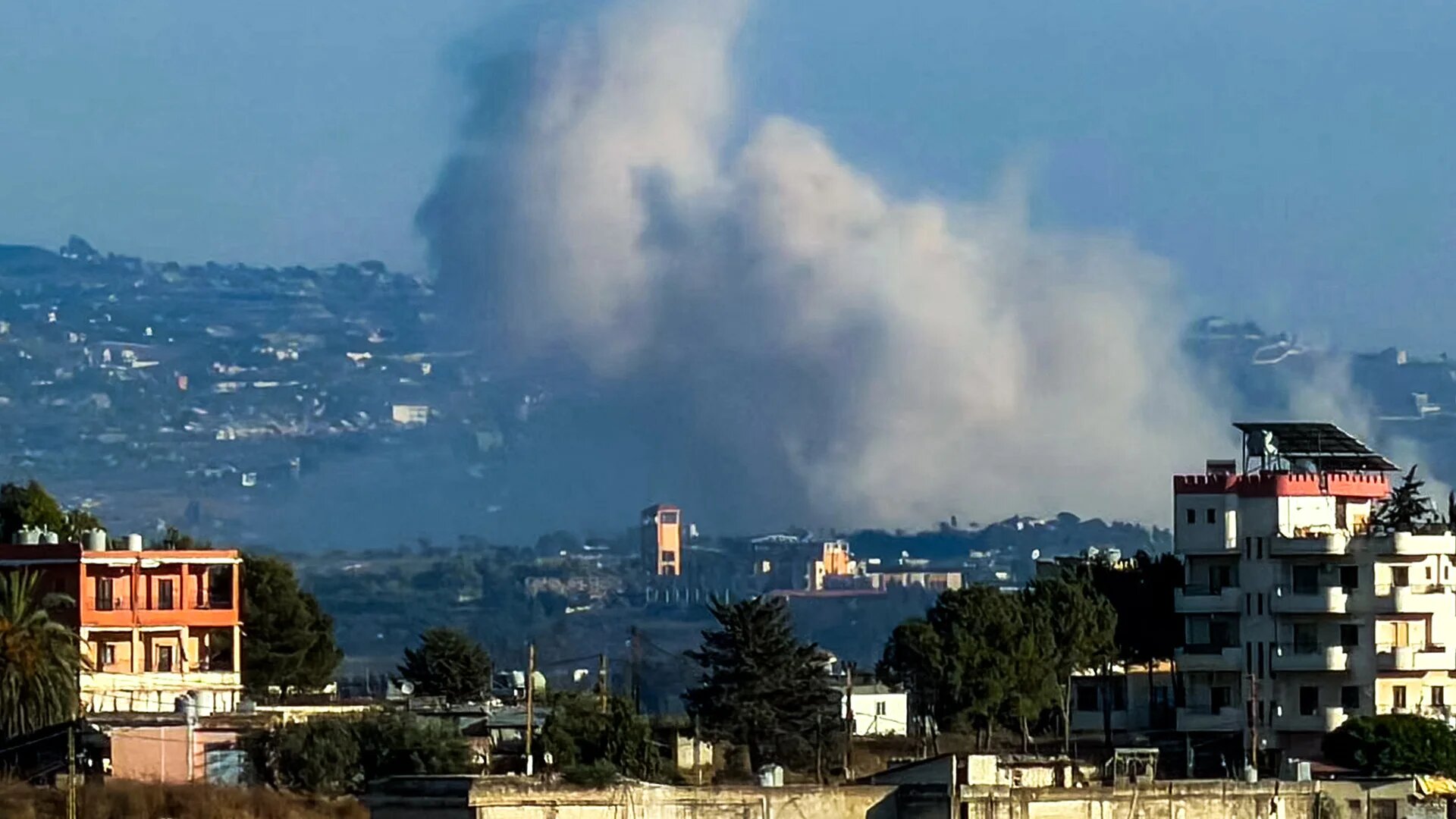
Israel is determined to maintain its forces within "security zones" that it has established inside Lebanon, Syria, and the Gaza Strip. The Israeli government views these areas as critical for its national defense strategy. Defense Minister Israel Katz has showed this commitment in recent statements, emphasizing the necessity of a continued military presence to safeguard Israeli borders. This policy position comes amid ongoing regional security assessments. The delineated zones are considered by Israel to be essential buffers against potential threats originating from these neighboring territories. The decision reflects a long-standing security doctrine to project military presence beyond its internationally recognized borders for defensive purposes. This proactive approach aims to prevent hostile elements from establishing positions that could directly threaten Israeli communities and infrastructure. The unwavering determination to hold these lines is a cornerstone of Israel's national security posture.
Bilateral Security Discussion
Israel's Defense Minister Israel Katz and his US counterpart Pete Hegseth engaged in discussions overnight, according to a statement released by Katz's office. This high-level communication occurred early Thursday morning, as confirmed by sources familiar with the exchange. The dialogue between the two officials focused on security matters, particularly Israel's policy regarding its military presence in specific regional security zones. While the exact details of their conversation were not immediately disclosed, the timing aligns with Israel's reiterated commitment to maintaining its forces in areas adjacent to its borders. The Israeli government has consistently emphasized that these deployments are integral to its national defense strategy, aiming to create buffer zones against potential threats. The exchange between Minister Katz and Secretary Hegseth shows the ongoing bilateral security coordination between Israel and the United States, noting the depth of their strategic alliance. Such discussions are routine but gain particular significance given the persistent security challenges in the wider Middle East.
Rationale for Security Zones
Defense Minister Israel Katz has stressed Israel's resolute intention to maintain its presence in established security zones within Syria, the Gaza Strip, and Lebanon. According to Katz, this continued presence is critical for safeguarding Israel's borders and protecting communities situated near these borders. The minister further explained that these measures are specifically aimed at mitigating threats posed by "jihadist forces" operating in the region. Katz emphasized Israel's determination to remain in these security zones to protect Israel’s borders and the communities near the border from the threats posed by these jihadist forces. This stance shows Israel's security doctrine, which prioritizes a forward defense to create buffer zones against potential incursions. The government's position reinforces its long-standing policy regarding military deployments in adjacent territories, deemed essential for national security. This strategic deployment is designed to provide an early warning system and a defensive perimeter, thereby enhancing the safety and stability of Israeli citizens living in border communities. The policy reflects a core belief that national security requires proactive measures extending beyond the immediate frontier.