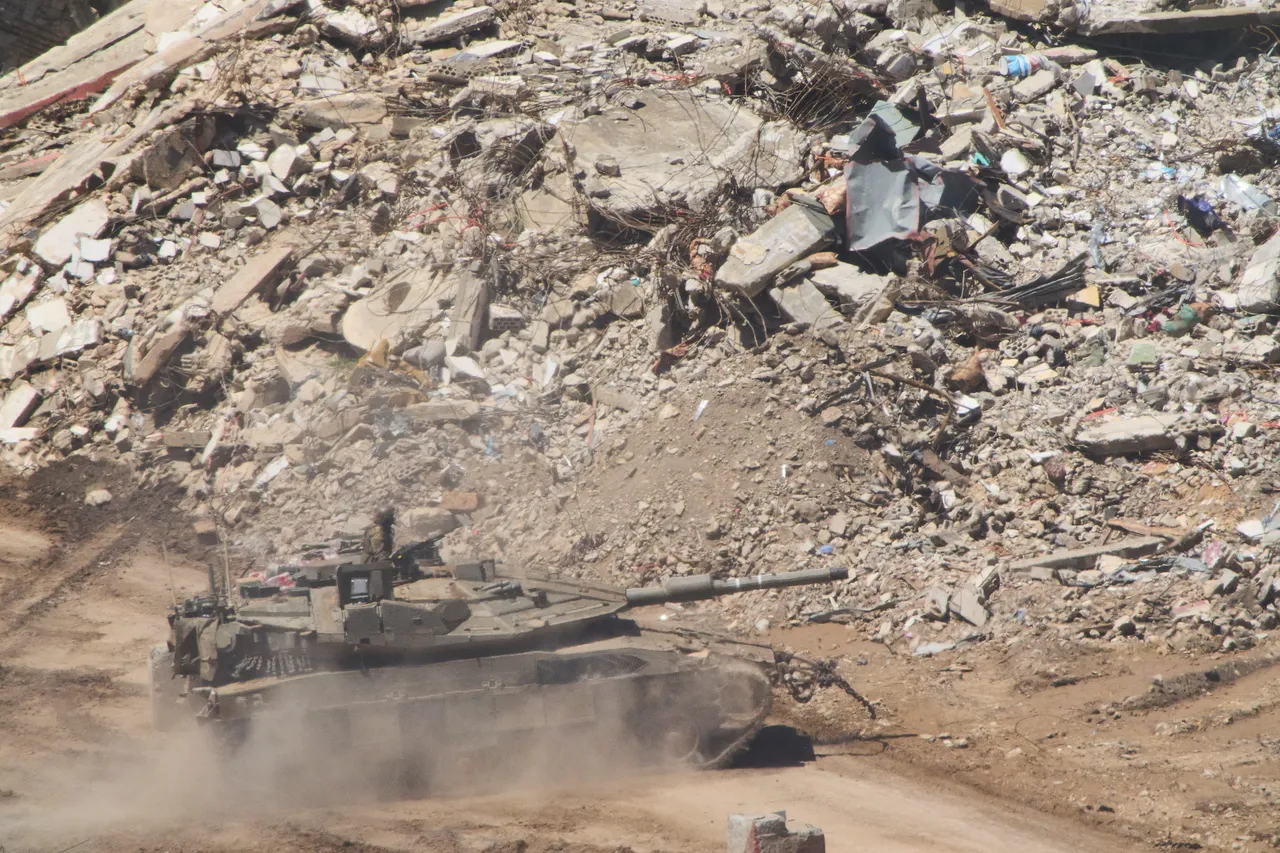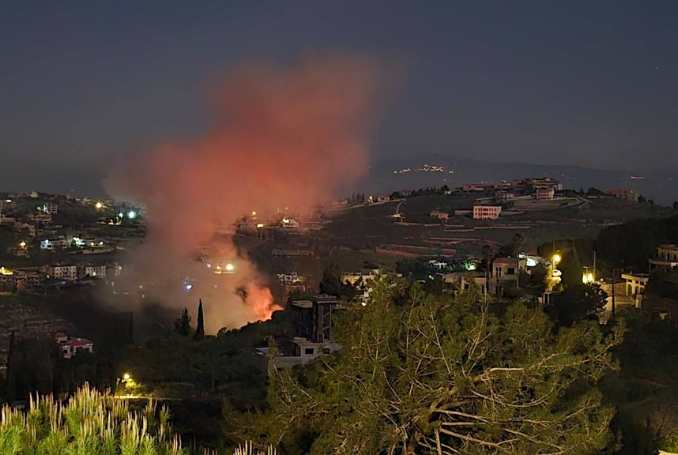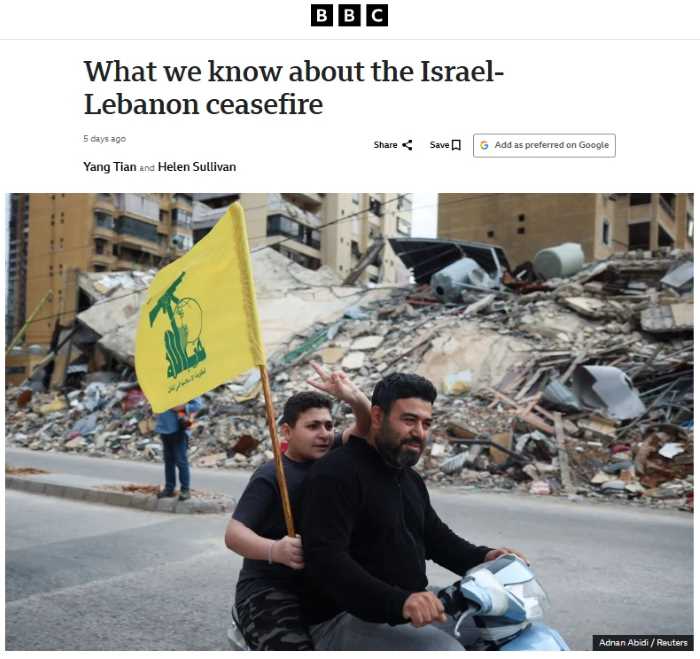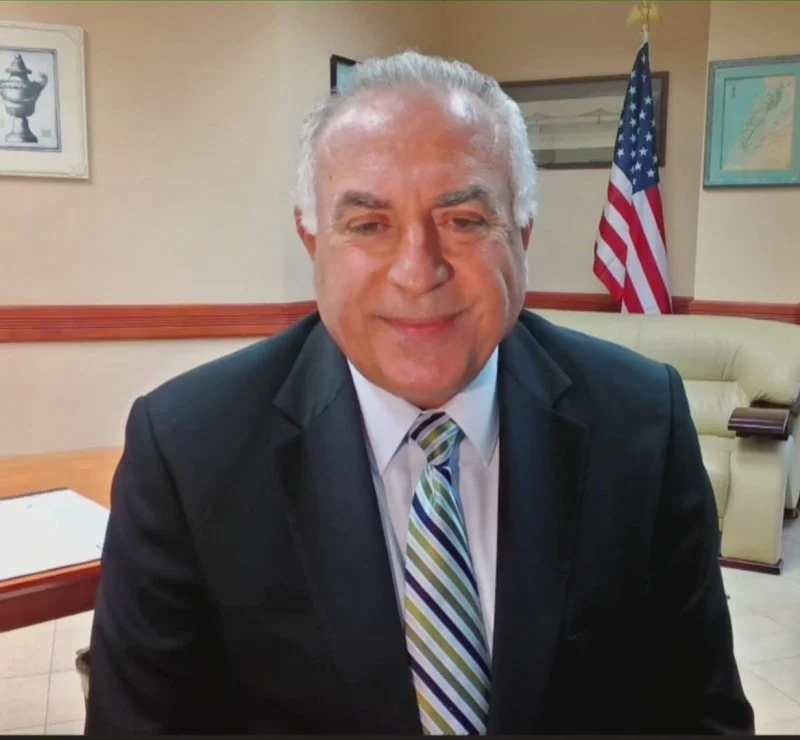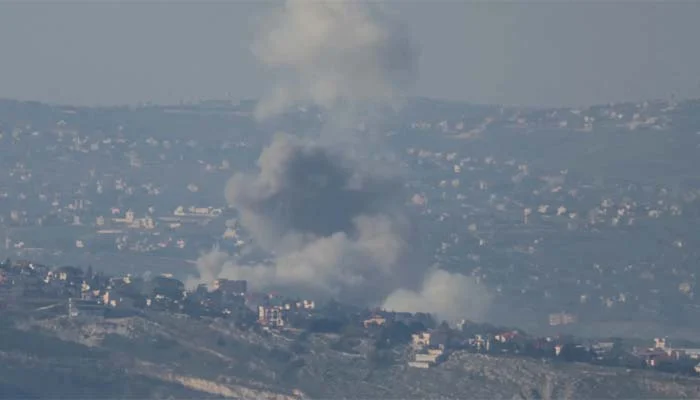
Israel launched a new wave of strikes on Southern Lebanon, reportedly killing several people and issuing a forced displacement order for another town in the area. The Israeli military also demolished a monastery in the border village of Yaroun. Amid these developments, Iran delivered its latest proposal for negotiations to mediators in Pakistan on Thursday evening. The proposal was delivered through Pakistan, which continues to play a key mediatory role in the ongoing diplomatic efforts.
Escalation in Southern Lebanon
A report indicated that Israeli forces employed white phosphorus munitions in southern Lebanon, raising concerns about the humanitarian impact of the conflict. The use of such munitions has drawn international scrutiny in previous conflicts. Seventeen Israeli soldiers have been killed in Lebanon, according to figures released during the current conflict. Additionally, more than 2,600 people have been killed in Lebanon during the current conflict, noting the severe human cost of the escalating tensions. Pakistan Prime Minister Shehbaz Sharif stated during a Cabinet meeting on Wednesday that a response from Iran was still anticipated regarding negotiations, showing the ongoing diplomatic efforts to de-escalate the situation. In a separate development, a hospital transfer occurred "after 140 days of systematic medical neglect," following an individual's arrest on December 12. This transfer points to broader human rights concerns amidst the regional instability.
Iran's Diplomatic Overture
Iran has delivered a new proposal for peace negotiations with the United States through Pakistan, according to reports. Islamabad continues to play its key mediatory role in the process, facilitating communication between the two nations. Further details regarding the contents of the proposal or upcoming steps of potential talks remain under wraps, though initial reactions suggest significant hurdles remain.
Iran's Foreign Minister Abbas Araghchi held calls on Friday with counterparts from Turkey, Egypt, Qatar, Saudi Arabia, Iraq, and Azerbaijan, indicating a broad diplomatic push. European Union foreign policy chief Kaja Kallas also spoke with Araghchi over the phone on Friday, showing the international community's interest in the diplomatic overtures. The Iranian proposal would have pushed negotiations on the country’s nuclear program to a later date, suggesting a focus on immediate de-escalation rather than full long-term agreements for now.
In a separate development, Iran's imprisoned Nobel Peace Prize laureate Narges Mohammadi has been urgently transferred from prison to a hospital in northwestern Iran. Her transfer followed a "catastrophic deterioration" of her health, according to her representatives. The Narges Mohammadi Foundation further reported that the Nobel Prize laureate experienced two episodes of complete loss of consciousness and a severe cardiac crisis, necessitating urgent medical intervention. Since the war began on February 28, at least 3,375 people have been killed in Iran, reflecting the widespread impact of the conflict.
US Response and Regional Tensions
U.S. President Donald Trump told reporters at the White House on Friday that he was "not satisfied" with Iran's latest proposal. Trump stated, "They want to make a deal, I’m not satisfied with it, so we’ll see what happen," adding, "They’re asking for things I can’t agree to." This firm stance notes the significant differences that persist between the two nations. Earlier this week, Trump had rejected Iran’s offer to reopen the Strait of Hormuz in exchange for the U.S. Navy lifting its blockade of Iranian ports, which is currently stopping Iran's tankers from getting out to sea. This blockade remains a major point of contention, exacerbating economic pressures on Iran.
Negotiations have continued by phone after Trump called off his envoys’ trip to Pakistan last week, indicating a preference for remote diplomatic engagement. Trump characterized Iran's leadership, saying, "It’s a very disjointed leadership. They all want to make a deal, but they’re all messed up," suggesting a perception of internal divisions within the Iranian government. Reports indicate the U.S. And Iran remain locked in a standoff over the Strait of Hormuz, a critical maritime chokepoint for global oil supplies. Regional tensions have resulted in significant casualties across various nations, with 13 U.S. Service members killed throughout the region, 24 people dead in Israel, and more than 20 people dead in Gulf Arab states, showing the broad and tragic impact of the ongoing conflict.