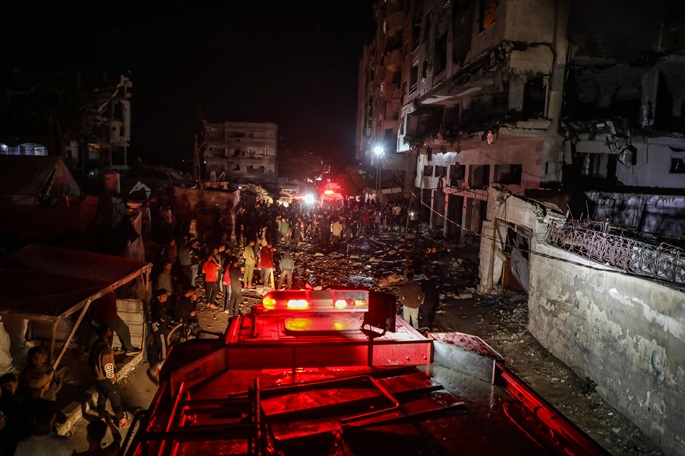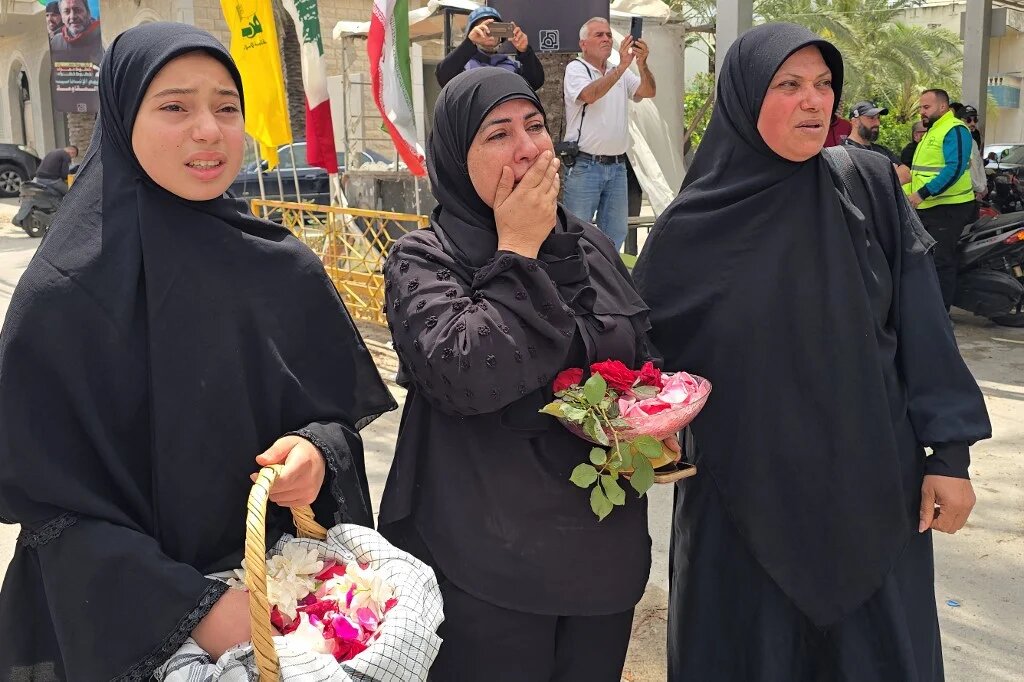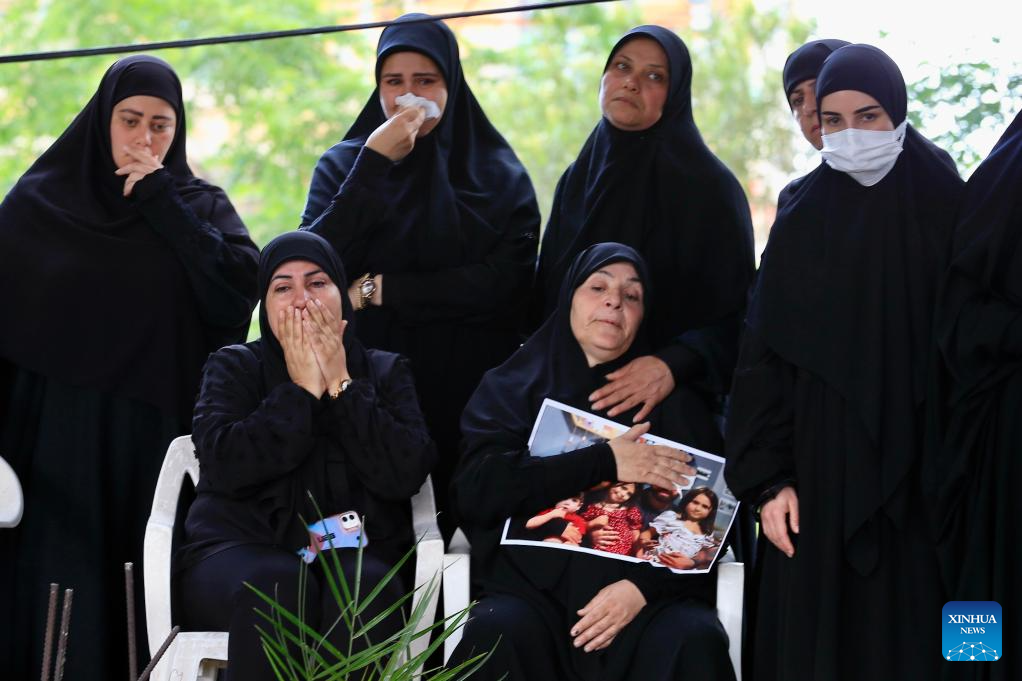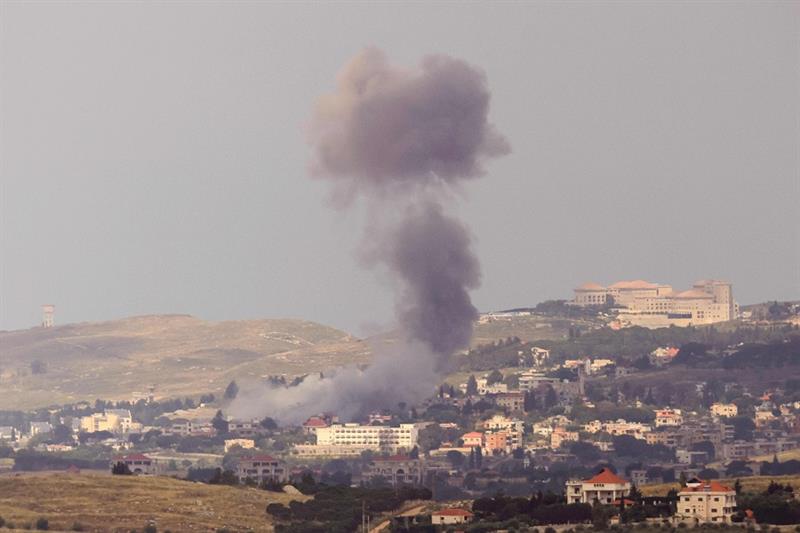
Israel killed 11 people in Lebanon on Friday, May 22, 2026, according to the Lebanese Health Ministry. The fatalities, which included two rescuers and a girl, occurred despite a US-brokered ceasefire that had been implemented on April 16, 2026. The United States announced a 45-day extension of the nominal truce just days prior, on May 15, 2026, aiming to maintain a fragile peace in the region. However, these recent strikes show the persistent challenges in upholding such agreements.
Deadly Strikes Continue
The latest wave of violence saw six people killed in a strike on Deir Qanun al-Nahr village. Among the victims were two rescuers from the Risala Scouts association and a Syrian girl, who were martyred in the attack. This incident occurred as hostilities continued despite the recent ceasefire extension, noting the volatile situation on the ground. The Risala Scouts association, a prominent civil defense organization, is known for its affiliation with the Amal movement, which plays a significant role in Lebanese politics and society. Their presence in the affected area shows the humanitarian toll of the conflict.
Earlier on Friday, a separate and equally devastating strike on the southern town of Hanaway resulted in the deaths of four rescuers. These individuals were members of the Islamic Health Committee, another critical organization providing emergency and medical services in the region, often operating in high-risk zones. The Lebanese Health Ministry has confirmed all these fatalities as part of the total casualties reported for the day, painting a grim picture of the ongoing violence. The repeated targeting of rescue workers has drawn condemnation and raised concerns about the protection of humanitarian personnel in conflict zones.
In response to the Israeli actions, Hezbollah conducted a drone attack targeting Israeli occupation army equipment. The attack took place in the southern Lebanese town of Odaisseh, a location frequently affected by cross-border hostilities. Hezbollah stated that its operation aimed at military assets within the town, framing it as a retaliatory measure against the Israeli strikes. This exchange of fire indicates a dangerous cycle of escalation that threatens to unravel any attempts at de-escalation.
Context of Conflict
The most recent phase of the Israel-Lebanon war began on March 2, 2026, following a broader conflict initiated by the United States and Israel against Iran. This regional conflict has had severe repercussions for Lebanon, drawing it into a wider geopolitical struggle. During this period, Israel launched extensive airstrikes across Lebanon, impacting various regions including its capital Beirut and the southern city of Tyre, which are significant population centers. Concurrently, the Israeli military conducted a ground invasion into southern Lebanon, further intensifying the conflict. As part of its operations, the Israeli military established a "security zone" that extends roughly 10 kilometers into Lebanese territory. This zone has been a point of contention and a site of frequent clashes, contributing to the displacement of local populations.
A previous ceasefire, reached in November 2024, was reportedly not respected by Israel and was not fully implemented, demonstrating a pattern of failed truce agreements. The ongoing hostilities have continued despite multiple attempts at de-escalation and truce agreements, indicating deep-seated challenges in achieving a lasting peace. The involvement of various armed groups and the broader regional dynamics complicate efforts to enforce any ceasefire.
Humanitarian Toll Mounts
The human cost of the conflict has been catastrophic. The death toll from Israeli actions has reached a staggering 3,111 people, according to Lebanese authorities, reflecting the intensity and destructive power of the military operations. These casualties include at least 211 children, whose lives have been tragically cut short, and 292 women, noting the disproportionate impact on vulnerable populations. 116 healthcare workers or first responders have been killed, a critical loss for a country already struggling with limited resources. These dedicated individuals, like those from the Risala Scouts association and the Islamic Health Committee, put their lives at risk to save others, only to become victims themselves.
Additionally, Israeli attacks have wounded 9,432 individuals, many of whom will require long-term medical care and rehabilitation, further straining Lebanon's healthcare system. The ongoing conflict has also triggered a massive humanitarian crisis, displacing over 1.2 million people. This figure represents more than 20% of Lebanon's total population, forcing them to flee their homes and seek refuge elsewhere, often in overcrowded and underserviced areas. This significant internal displacement notes the escalating humanitarian crisis and the urgent need for international intervention and aid to address the needs of those affected by the ongoing violence. The destruction of infrastructure and the disruption of essential services compound the suffering of the displaced, making their return home increasingly difficult and uncertain.