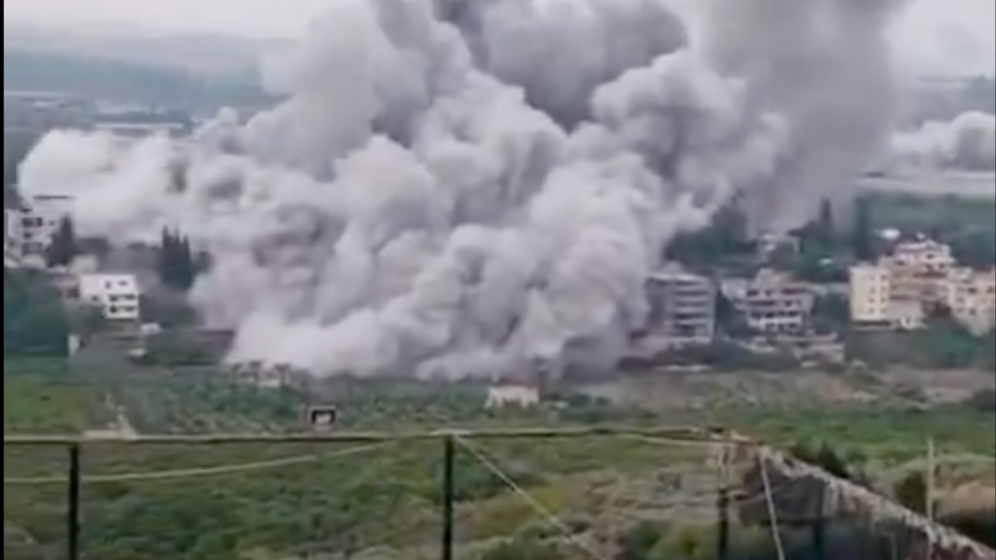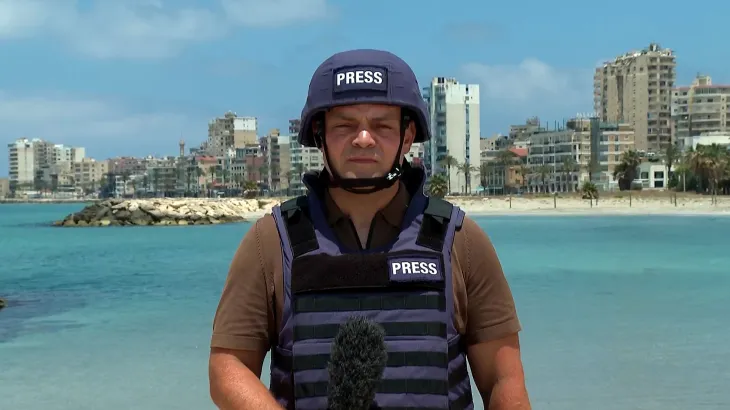
Israel launched new attacks on southern Lebanon, killing eight people, according to officials. These fresh attacks, which resulted in the deaths of eight individuals, were confirmed by officials monitoring the escalating situation. The strikes occurred less than a day after Israel and Iran had ceased direct attacks on each other following a specific request from United States President Donald Trump. Despite this direct de-escalation plea from the American leader, the Israeli military resumed its operations in Lebanon, a move that is now widely seen as jeopardizing ongoing talks concerning a broader agreement with Iran. The resumption of hostilities has cast a shadow over diplomatic efforts to secure a lasting peace in the volatile region.
Deadliest Attacks in Tyre
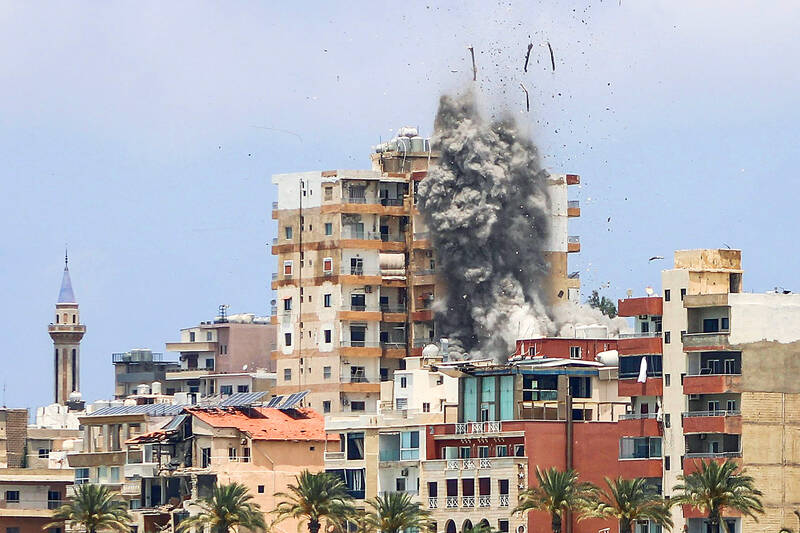
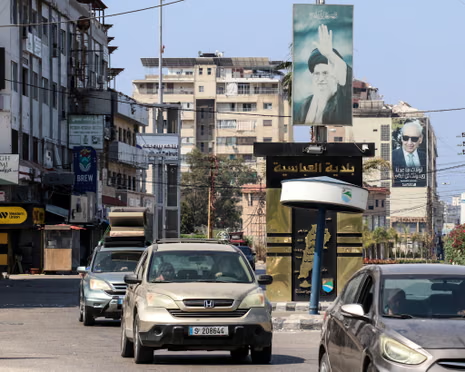
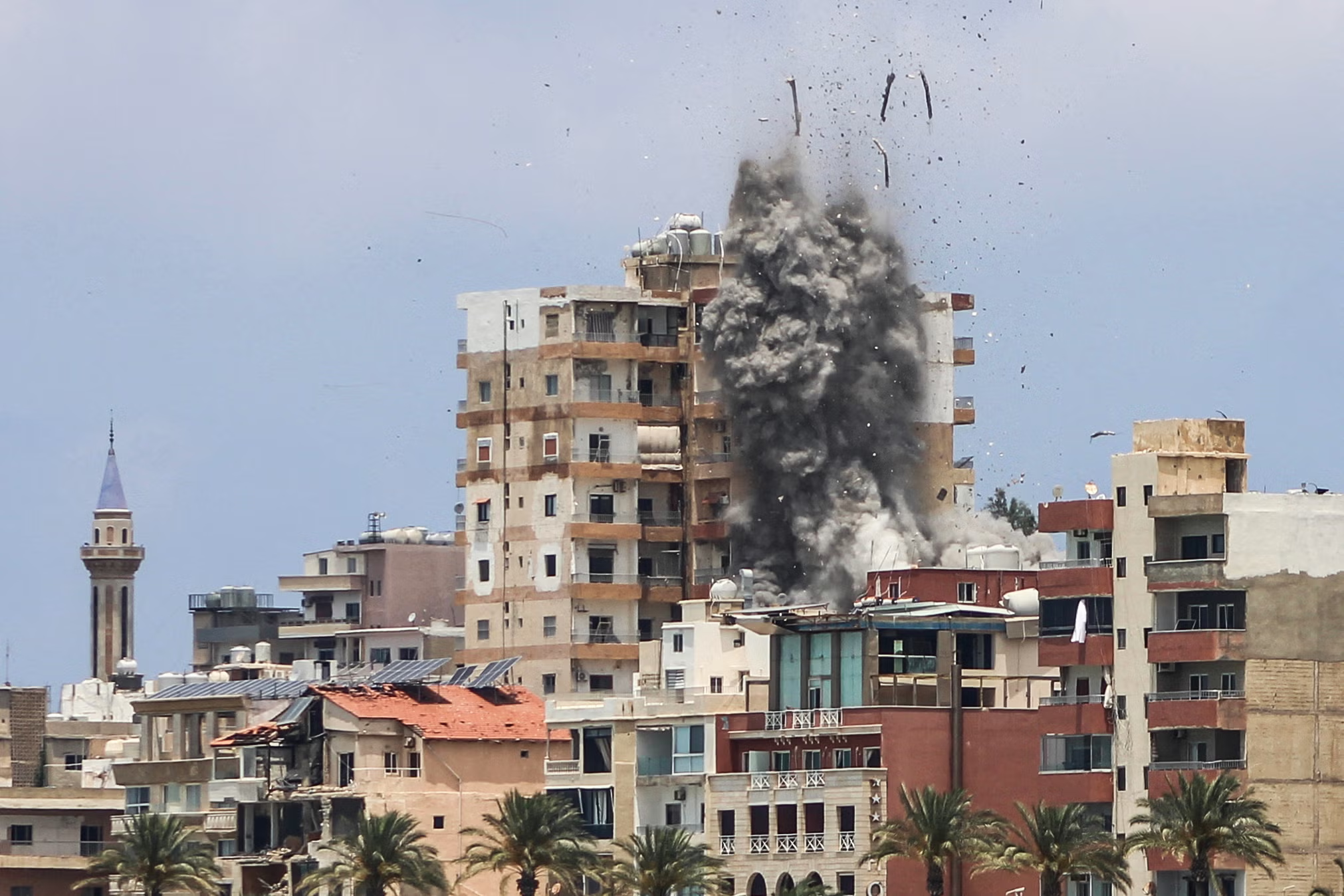
An Israeli airstrike struck a housing district in the ancient southern Lebanese city of Tyre on Tuesday. This specific attack targeted residential areas within the historic city, raising concerns about civilian casualties and infrastructure damage. These attacks marked the deadliest on Tyre since fighting had initially erupted in Lebanon on March 2. The intensity and scale of Tuesday's strikes surpassed previous incidents in the city since the commencement of the current conflict. Following these significant strikes, Israel issued an evacuation order for tens of thousands of residents in Tyre, signaling a potential expansion or continuation of military operations in the area. The Israeli military’s evacuation directive, issued on Tuesday morning, specifically included the city’s Christian quarter, indicating a broad scope for the order that affected diverse communities within Tyre. Lebanon’s state media reported that rescuers are continuing to search for survivors in the affected areas, working tirelessly amidst the rubble to locate those trapped or injured. The ongoing search efforts show the severe impact of the airstrikes on the civilian population. Israeli forces' evacuation orders have effectively emptied a fifth of the entire country, according to reports, noting the extensive displacement caused by the conflict and the broad geographical reach of the Israeli military's directives. The situation in Tyre remains highly fluid, with humanitarian concerns growing as residents are forced from their homes.
Trump's Peace Efforts Undermined
The attacks in southern Lebanon occurred in defiance of President Donald Trump's demand on Monday that both Israel and Iran rein in strikes. President Trump had explicitly called for a halt to the military actions from both parties, emphasizing the importance of de-escalation for the sake of regional stability. Mr. Trump had stated that negotiations for a broader agreement between the involved parties were "still ongoing" and urged both parties to "stop shooting." His public statements showed the delicate nature of the diplomatic process and the need for a cessation of hostilities to allow negotiations to progress. He further expressed optimism regarding the potential for a resolution, noting, "We have a good chance of doing it, we're very close to having a very, very good, strong, powerful deal." This statement from President Trump indicated a belief that a full agreement was within reach, provided that military actions did not derail the talks.
In addition to the strike on Tyre, Israel also launched an attack on Marjayoun, further expanding its military operations in Lebanon. These actions, coming so soon after President Trump's plea, have significantly complicated diplomatic efforts aimed at de-escalation in the region. The continued military engagement by Israel directly challenges the framework for peace that the US administration is attempting to build.
Benjamin Netanyahu's refusal to end his campaign in Lebanon has hindered President Trump's attempts to transform a temporary ceasefire with Tehran into a long-term settlement. The Israeli Prime Minister's stance appears to prioritize ongoing military objectives over the immediate diplomatic overtures being made by the United States. The continued Israeli military activity in Lebanon directly contrasts with the de-escalation pleas issued by the US President, potentially jeopardizing the prospects for a full deal between the United States and Iran. This divergence in strategy between key allies creates significant friction and uncertainty for the future of regional stability. The ongoing strikes underline the profound challenges in securing a lasting peace, even as diplomatic channels remain open and efforts are made to bridge the divide. The international community is closely watching how these conflicting approaches will impact the fragile peace process.
Regional Tensions and Incidents
Israel stated last week that Hezbollah fighters were hiding out in Tyre, providing a rationale for its military focus on the city. This claim served as a justification for the operations conducted in the area, framing them as targeting specific militant groups. Iran, for its part, said on Monday that Israel does not act without a green light from the US, suggesting Washington could be held responsible for the latest strikes in Lebanon. This statement from Tehran implies a level of US complicity or endorsement of Israeli actions, adding another layer of complexity to the international dynamics.
Hours after Israel and Iran paused their direct attacks, an unrelated incident occurred when an Apache helicopter crashed near the Strait of Hormuz. This incident, while not directly related to the Israeli-Lebanese conflict, added to the overall regional tensions. The US military Central Command (Centcom) reported that a navy surface drone located and rescued the two crew members from the waters of the Strait of Hormuz within two hours of the incident. The swift response by Centcom notes the operational capabilities in the critical maritime choke point. The two rescued crew members are currently in a stable condition, a positive outcome given the inherent dangers of a helicopter crash over water. Apache helicopters, such as the one involved in the crash, are advanced military aircraft, and each unit costs approximately $35 million to $40 million. The loss of such an expensive and technologically sophisticated asset, even in an accident, represents a significant event for military planners. The crash, despite being an accident, shows the heightened military presence and operational tempo in the broader Middle East region, an area already grappling with multiple ongoing conflicts and diplomatic challenges.