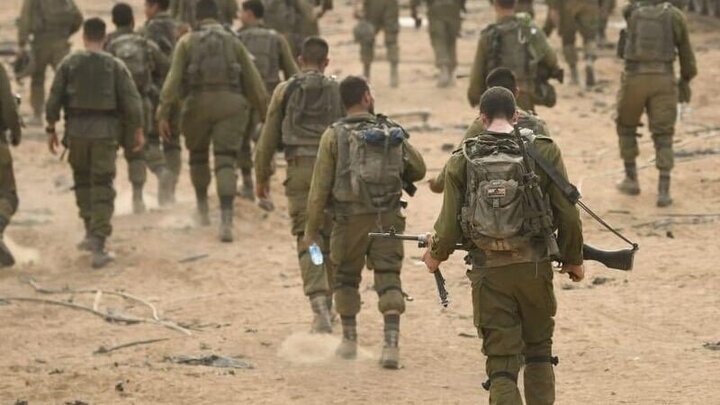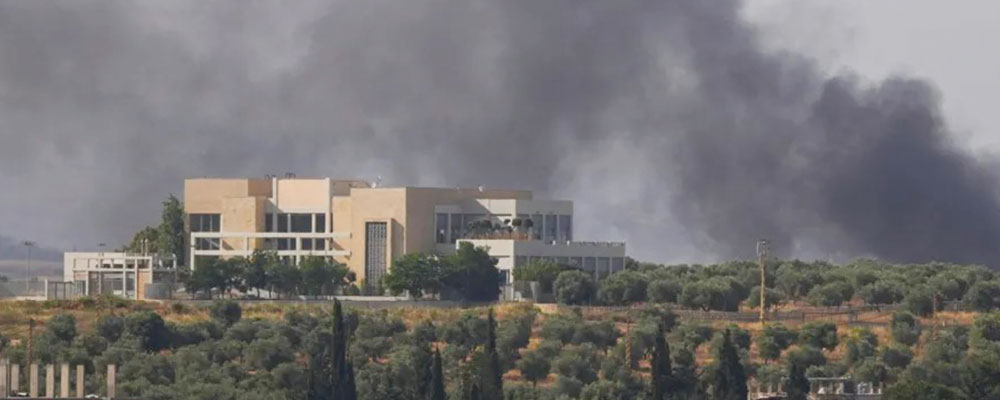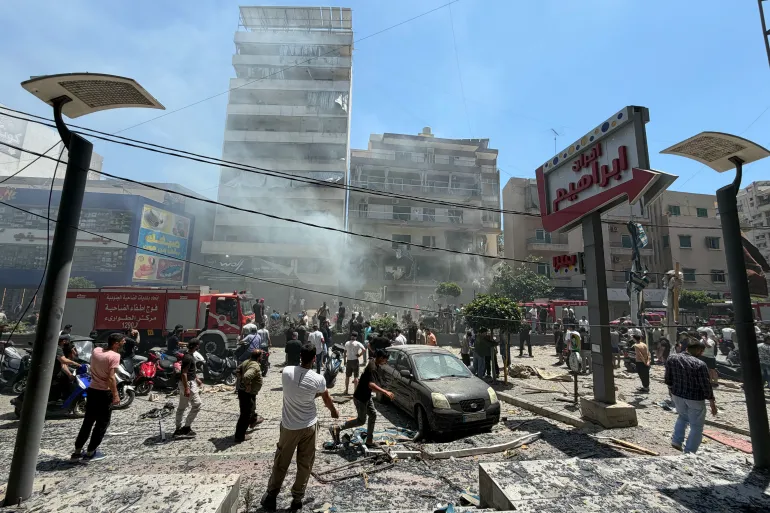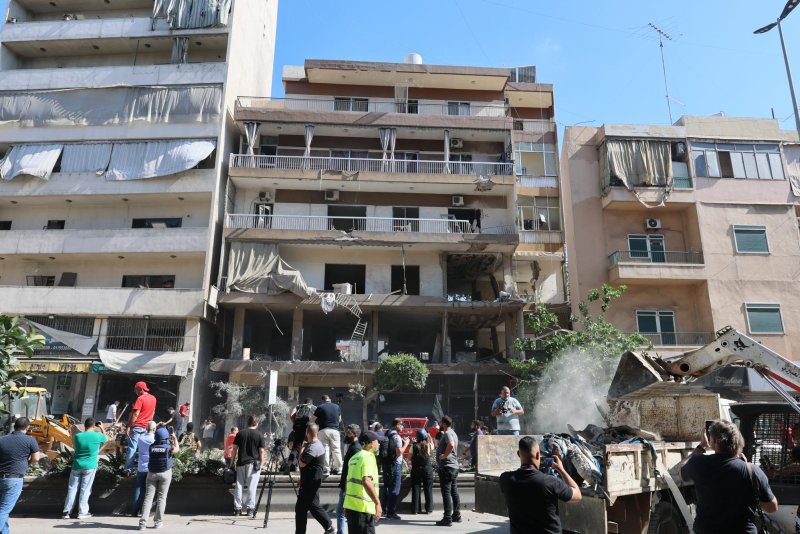
The Israeli military conducted strikes against Hezbollah targets in Beirut on Sunday, specifically hitting the southern suburbs of Dahiyeh. This action marked a significant escalation in regional tensions, occurring just hours after the Israeli military stated that Hezbollah had violated a cease-fire agreement by firing towards Israel. The cease-fire, which had been the subject of intensive diplomatic efforts, was on the cusp of being formally adopted, with the United States and Pakistan having announced on Saturday that the agreement was prepared for signing Sunday during an additional round of talks. The timing of the Israeli operation has cast a shadow over these fragile peace efforts.
Deadly Strikes in Beirut
Lebanon's state-run news agency, NNA, reported that two people died and four others sustained injuries in the attack on Beirut's southern suburbs. The report specified that a strike hit a residential building in the Dahiyeh area, a locale widely recognized as a stronghold for the Iran-backed Hezbollah group. The residential nature of the target, as reported by NNA, immediately drew international concern regarding civilian casualties and the potential for further destabilization. Following the operation, Israeli Prime Minister Benjamin Netanyahu and Defense Minister Israel Katz issued a joint statement confirming they had ordered the strike.
The two officials stated, "Israel will not tolerate fire into its territory." This declaration came amidst ongoing peace talks, with the Israeli military having previously accused Hezbollah of violating a cease-fire agreement just hours before the Beirut strikes. The Israeli military further claimed that its forces specifically targeted a Hezbollah command center in Dahiyeh. According to the Israeli military, this facility was being used to "advance terrorist attacks against the citizens of the state of Israel and IDF soldiers operating in southern Lebanon." This assertion provided the Israeli government's justification for the pre-emptive strike, framing it as a necessary defensive measure against imminent threats. The United States and Pakistan had announced on Saturday that the cease-fire agreement was prepared for signing on Sunday, adding to the complexity and urgency of the situation.
Context of Peace Talks and International Reactions
The attack, coming at a critical juncture for regional diplomacy, immediately drew reactions from international figures. Former President Donald Trump stated the attack "should not disrupt this important process" of a peace deal with Iran. Trump posted on Truth Social that morning, expressing his strong views on the matter. "This morning's attack on Beirut should not have happened, particularly on a special day when we are so close to a Peace Deal with Iran. Israel has the right to defend itself against threats, but the attack it was responding to was very small and meaningless, nobody was hurt, injured, or killed, and should not disrupt this important process. This could be the beginning of a long and beautiful peace -- Let's not blow it!" he wrote.
Trump also called on both Israel and Hezbollah to stand down in a separate post on Truth Social, urging restraint from both sides to preserve the delicate peace process. In a notable move, he issued a rebuke against Israeli Prime Minister Benjamin Netanyahu, stating that Netanyahu has "no judgment." This direct criticism from a former U.S. President noted the deep divisions and high stakes involved in the ongoing regional dynamics.
In response to the escalating situation, Iranian Foreign Ministry spokesman Esmail Baghaei indicated there were no plans for Iran's negotiators to be involved in any talks for the next few days. This statement signaled a potential pause in the diplomatic efforts, reflecting Iran's disapproval of the Israeli action and its impact on the negotiation environment. The decision by Iran to suspend its participation showed the immediate negative consequences of the strike on the peace dialogue.
Official Reactions and Warnings
Israel's accusation that Hezbollah violated a cease-fire agreement earlier on Sunday, hours before conducting strikes in Beirut, formed the core of its operational justification. The Israeli military reiterated its claim that its forces targeted a Hezbollah command center in Dahiyeh, which it asserted was being used to "advance terrorist attacks against the citizens of the state of Israel and IDF soldiers operating in southern Lebanon." This detailed explanation aimed to legitimize the strike as a targeted operation against a military threat.
Mohammad Bagher Ghalibaf, the Speaker of the Iranian Parliament, subsequently accused Washington of "giving the green light" to Israel for its attack on Dahiyeh. Ghalibaf's remarks came amidst heightened regional tensions following the Israeli operation, suggesting a perceived complicity of the United States in the Israeli military action. This accusation from a senior Iranian official further complicated the international response and the role of global powers in mediating the conflict. Israeli officials have consistently maintained their right to self-defense against perceived threats emanating from Lebanese territory, a principle they invoked in the aftermath of the Dahiyeh strike. The strike and subsequent accusations show the fragility of the ongoing peace negotiations involving regional and international parties, noting the continuous challenges in maintaining stability in the volatile Middle East.