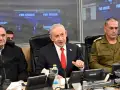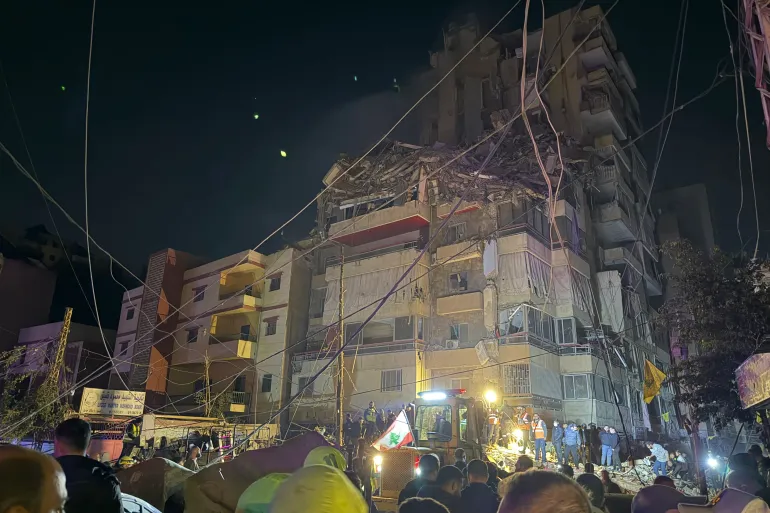
Israeli forces bombed Beirut’s southern suburbs, reportedly assassinating Malek Balou, a commander of Hezbollah’s Radwan Force. This marked the first attack on Beirut’s predominantly Shia southern area since a truce in the Israel-Hezbollah conflict took effect on April 17. The Israeli military claims to have assassinated Malek Balou in the precision strike. Israeli Prime Minister Benjamin Netanyahu confirmed the attack, stating, "Radwan terrorists are responsible for shooting at Israeli settlements and harming [Israeli army] soldiers. No terrorist has immunity – Israel’s long hand will catch every enemy and murderer." Mr. Netanyahu added, "We promised to bring security to the residents of the north – this is how we do it and this is how we will continue to do it!" The strike in Beirut's southern suburbs represents a significant geographical expansion of Israeli military operations, moving beyond the immediate border region into the capital's urban areas.
Escalation Amidst Fragile Truce
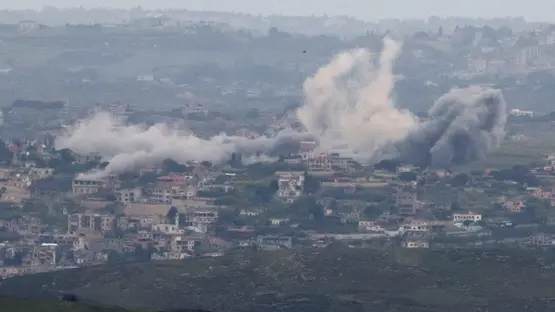
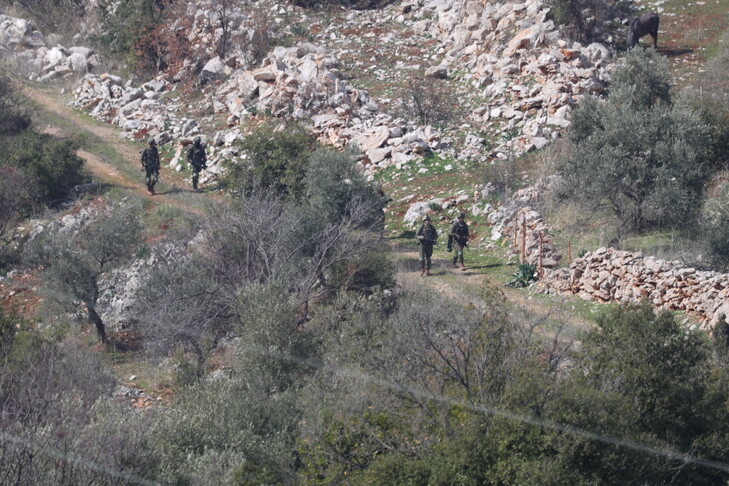
Reports indicated the Israeli army had struck Hezbollah targets in the south, following warnings for residents of a dozen towns to evacuate. These warnings show the ongoing risk to civilian populations in southern Lebanon, even as a formal truce was intended to de-escalate hostilities. Israeli forces continued to strike Lebanon’s south and east despite the truce, with reports indicating at least 13 people were killed on Wednesday alone. This recent casualty count notes the persistent violence plaguing the region, demonstrating that the ceasefire has not brought an end to all military engagements. An Israeli strike in Lebanon’s eastern Bekaa Valley killed four people, further illustrating the breadth of the ongoing conflict and the areas affected by Israeli military actions. Hezbollah, for its part, claimed responsibility for several operations targeting Israeli forces in southern Lebanon, as well as attacks on northern Israel. These counter-claims and actions indicate a reciprocal pattern of aggression despite the declared cessation of hostilities. Dozens of individuals have been killed since the April 17 ceasefire, a stark reminder of the fragile nature of the agreement and the continuing human cost of the conflict. The persistent exchange of fire and the recent escalation into Beirut's suburbs suggest a deeply unstable security situation.
Broader Conflict Statistics and Human Cost
Israeli strikes in Lebanon have resulted in the deaths of more than 2,700 individuals since March 2, according to reports. This staggering figure includes dozens of fatalities recorded since the ceasefire agreement took effect on April 17, indicating that the truce has not entirely halted the tragic loss of life. The ongoing conflict has seen significant casualties on the Lebanese side, primarily from Israeli military actions, with reports consistently documenting the impact on both combatants and civilians. The scale of these casualties shows the severe humanitarian consequences of the prolonged clashes.
The Israeli military, for its part, has reported losses of 17 soldiers and one civilian contractor during the fighting. These figures highlight the human cost of the sustained clashes between Israel and Hezbollah, showing the severity of the situation despite the declared truce. The broader impact of the hostilities extends beyond the recent assassination in Beirut, reflecting a wider pattern of violence and casualties across the region. The continuous exchange of fire, even under a truce, contributes to an environment of instability and fear for residents on both sides of the border. These statistics provide a grim overview of the conflict's toll, emphasizing the urgent need for a more strong and lasting peace.
Official Statements and Intent
Hezbollah has not yet responded to the Israeli claim regarding the assassination of Malek Balou, according to reports. This silence from Hezbollah could indicate a strategic pause or an internal assessment of the situation before a formal statement or response is issued. Defence Minister Israel Katz instructed the Israeli army to carry out the attack in Beirut's southern suburbs, specifically in Ghobeiri. This direct instruction from a high-ranking official shows the deliberate and calculated nature of the strike, signaling a clear intent behind the operation. Both Israel and Hezbollah have been trading accusations of violating the ceasefire agreement since it took effect on April 17. These mutual accusations highlight the deep distrust between the parties and the difficulty of maintaining any form of de-escalation. The Israeli military has continued to conduct operations, while Hezbollah has also claimed responsibility for various actions targeting Israeli forces. This exchange of claims and counter-claims shows the ongoing tensions despite the declared truce. The precision strike in Beirut's southern suburbs, specifically Ghobeiri, represents a significant escalation, marking the first such incident in the area since the ceasefire began. The actions of both parties since April 17 indicate a fragile cessation of hostilities, with each side alleging breaches by the other, thereby perpetuating a cycle of violence and retaliation. The targeting of a Hezbollah commander in a residential area of Beirut's southern suburbs also raises concerns about potential civilian casualties and the widening geographical scope of the conflict.