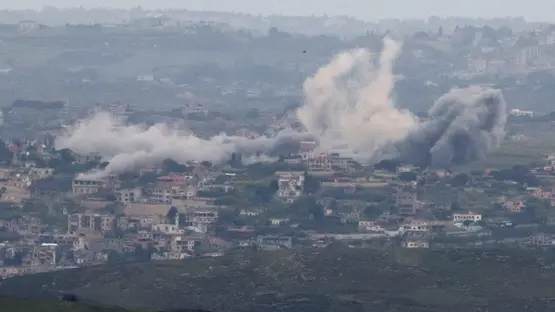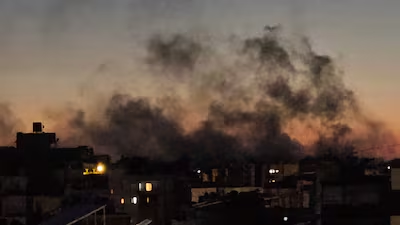
Israel conducted its largest-ever blitz on Lebanon on Wednesday, striking 100 targets in 10 minutes and killing more than 250 people, according to Lebanese officials. This extensive operation unfolded just hours after Donald Trump unveiled a ceasefire with Iran. The Israeli military stated it targeted and eliminated Ali Youssef Kharshi, identified as the top secretary and nephew of Hezbollah honcho Naim Qassem, in the overnight strikes. This marked the first time in weeks that Israel had bombed Beirut, with reports indicating a significant explosion occurred in Beirut's southern suburbs, specifically in an area known as Dahieh. The scale and intensity of the attacks on Wednesday represented a dramatic escalation in the ongoing conflict, drawing international attention to the fragile regional security situation.
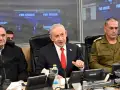
The Israel Defense Forces (IDF) claimed responsibility for the elimination of Kharshi, who served as a key aide to the Hezbollah chief. Kharshi's death, along with the extensive strikes, formed part of a full operation targeting Hezbollah infrastructure across Lebanon. Prime Minister Benjamin Netanyahu confirmed the strike in Beirut, stating that Israel eliminated Ali Youssef Kharshi, whom he identified as the personal secretary of Hezbollah Secretary-General Naim Qassem and one of his closest associates. Netanyahu added, "In Beirut, we eliminated Ali Youssef Kharshi, the personal secretary of Hezbollah terror organization Secretary-General Naim Qassem and one of the people closest to him." The Israeli Prime Minister also claimed the target was the head of Hezbollah's elite Radwan Force, further stating, "At the same time, overnight, the IDF struck a series of terror infrastructures in southern Lebanon: crossings used to transfer thousands of weapons, rockets, and launchers, as well as weapons depots, launchers, and Hezbollah headquarters." Netanyahu concluded, "Our message is clear: Whoever acts against Israeli civilians — will be struck." The swift and widespread attacks on Wednesday escalated the conflict significantly, following a period of relative calm in Beirut, despite ongoing hostilities in other parts of the country.
Escalating Strikes Across Lebanon
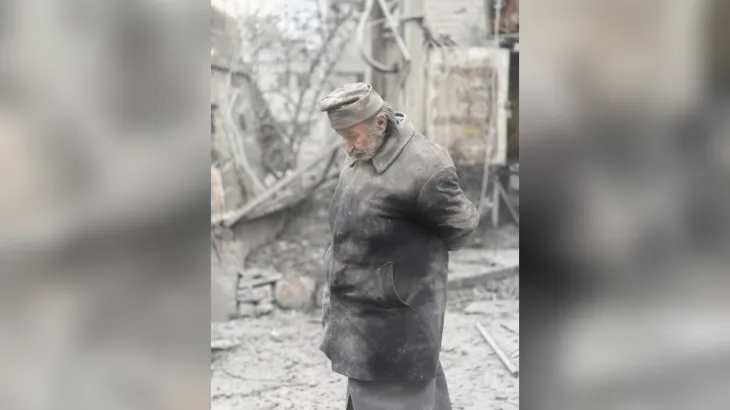
Lebanese official media reported that three missiles were fired at an apartment in the Haret Hreik area, a densely populated neighborhood within Beirut's southern suburbs. The Israeli military issued new orders for residents to leave a dozen additional Lebanese towns and villages on Wednesday, extending displacement warnings to areas including the Bekaa Valley. This directive significantly expanded the scope of forced displacement, impacting communities previously untouched by such orders. Among the locations subject to a displacement order in the Bekaa Valley was the village of Zellaya, a rural community situated in a strategically sensitive region. An air strike on Zellaya resulted in the deaths of at least five individuals, including village mayor Ali Ahmad, his wife, and two children, a tragic loss that showed the civilian toll of the escalating conflict.
In the Sidon district, Israeli air strikes targeted the village of Saksakiyeh on Wednesday, killing at least four people and injuring 13 others. The attack on Saksakiyeh added to the growing number of casualties and noted the widespread nature of the Israeli military's operations across southern Lebanon. The Israel Defense Forces (IDF) stated that overnight, it struck a series of terror infrastructures in southern Lebanon. These targets included crossings, weapons depots, launchers, and Hezbollah headquarters, according to the IDF statement, indicating a concerted effort to degrade Hezbollah's operational capabilities. Throughout Wednesday, Beirut experienced extensive Israeli drone activity, with unmanned aerial vehicles observed continuously over the city, contributing to a widespread sense of unease among residents. The constant presence of drones often precedes or accompanies Israeli military actions, serving both surveillance and potentially strike purposes.
Displacement and Buffer Zone
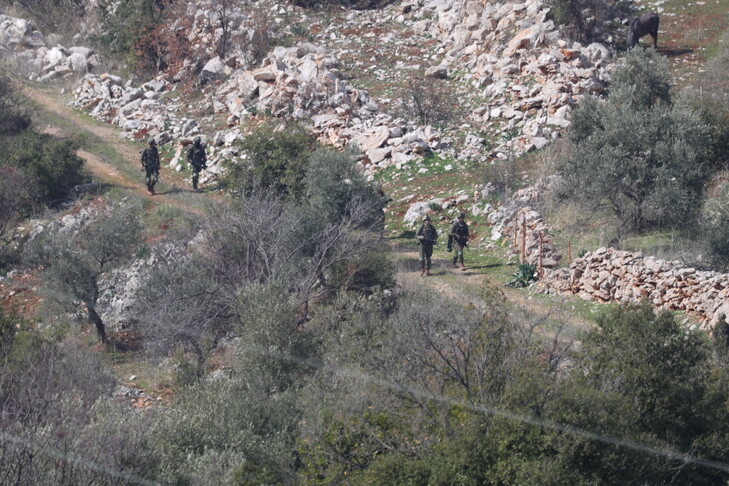
The Israeli military has been issuing displacement orders for approximately a dozen towns and villages daily over the past week, located north of its designated buffer zone, known as the Yellow Line. This policy has led to a continuous exodus of residents from southern Lebanese communities. The Yellow Line extends up to 10 kilometers into Lebanese territory, effectively creating a demilitarized zone that Israel aims to establish for its security. The repeated displacement orders have created a humanitarian crisis, with thousands of Lebanese citizens forced to abandon their homes and seek refuge in safer areas, often with limited resources and support. The psychological impact on these communities, facing repeated threats and the loss of their livelihoods, is profound.
On Wednesday, Hezbollah launched explosive drones near the Israeli border, resulting in injuries to two Israeli soldiers. This action demonstrated Hezbollah's continued capacity to retaliate and its willingness to engage in direct confrontations despite the Israeli offensive. Separately, Hezbollah announced its intention to resume firing rockets on Thursday. This declaration followed an earlier statement from the group indicating a pause in its attacks on Israel, signaling a reversal of its previous stance and an intent to escalate its response to the Israeli strikes. The renewed threat of rocket fire from Hezbollah raises concerns about a potential further intensification of hostilities along the border.
Diplomatic Efforts and Blame
The strike in Beirut, particularly the targeting of a high-profile Hezbollah figure in the capital, was considered a breach of a US-brokered ceasefire between Israel and Hezbollah. This breach complicated diplomatic efforts aimed at de-escalation and raised questions about the viability of the truce. US Secretary of State Marco Rubio, however, stated that a peace deal between Lebanon and Israel appears "achievable" in the near term. Rubio remarked, "There’s no problem between the Lebanese government and the Israeli government." He further elaborated, "Israel doesn’t claim any land in Lebanon belongs to them. And, by and large, I think a peace deal between Lebanon and Israel is imminently achievable." Rubio's optimistic assessment suggested a belief that the underlying issues between the two nations could be resolved through negotiation, provided certain conditions were met.
Rubio placed blame for the current violence squarely on Hezbollah. He said the conflict occurs "because Hezbollah is hiding in some house launching rockets against Israelis, and then they get hit." This perspective aligns with Israel's narrative, which often frames its military actions as defensive responses to Hezbollah's provocations. Rubio's comments showed the significant obstacle that Hezbollah's presence and actions pose to any lasting peace agreement in the region. While Israel and Donald Trump have insisted that Lebanon is excluded from the truce agreement, Iran has argued that Lebanon was explicitly part of the deal. This fundamental disagreement over the scope of the ceasefire notes the complex and often contradictory interpretations of international agreements by the various parties involved, further complicating efforts to achieve a stable resolution to the conflict. The differing views on the ceasefire's applicability to Lebanon contribute to the ongoing cycle of violence and mistrust.