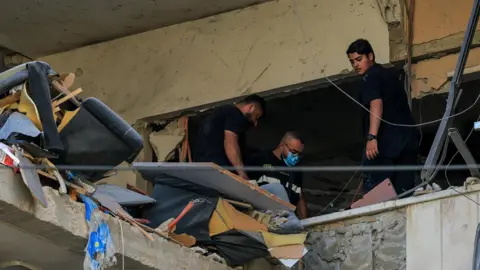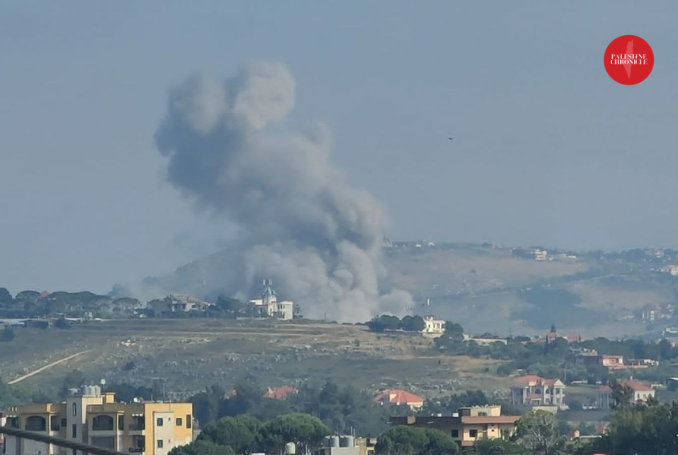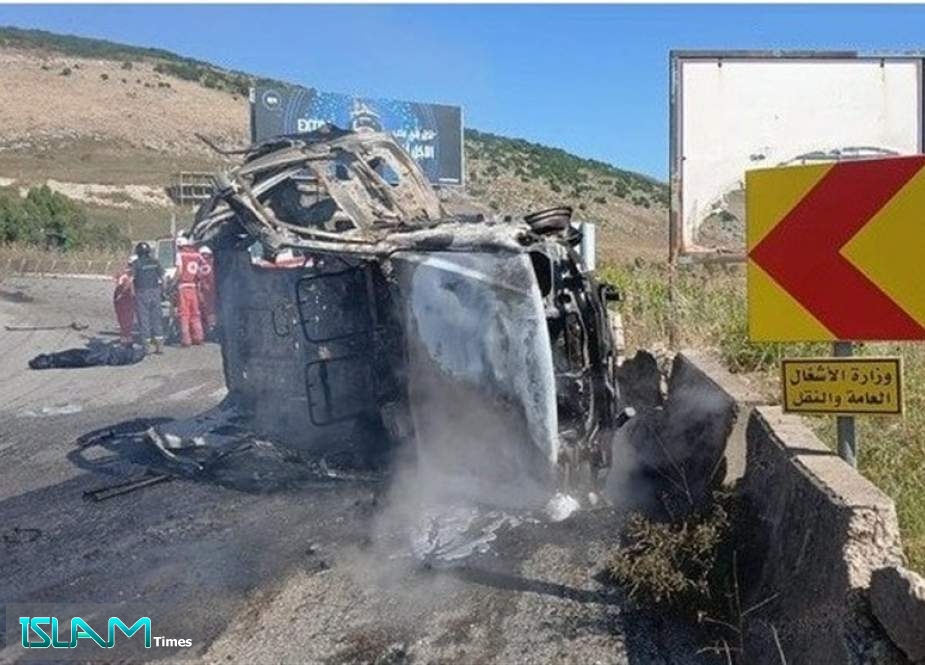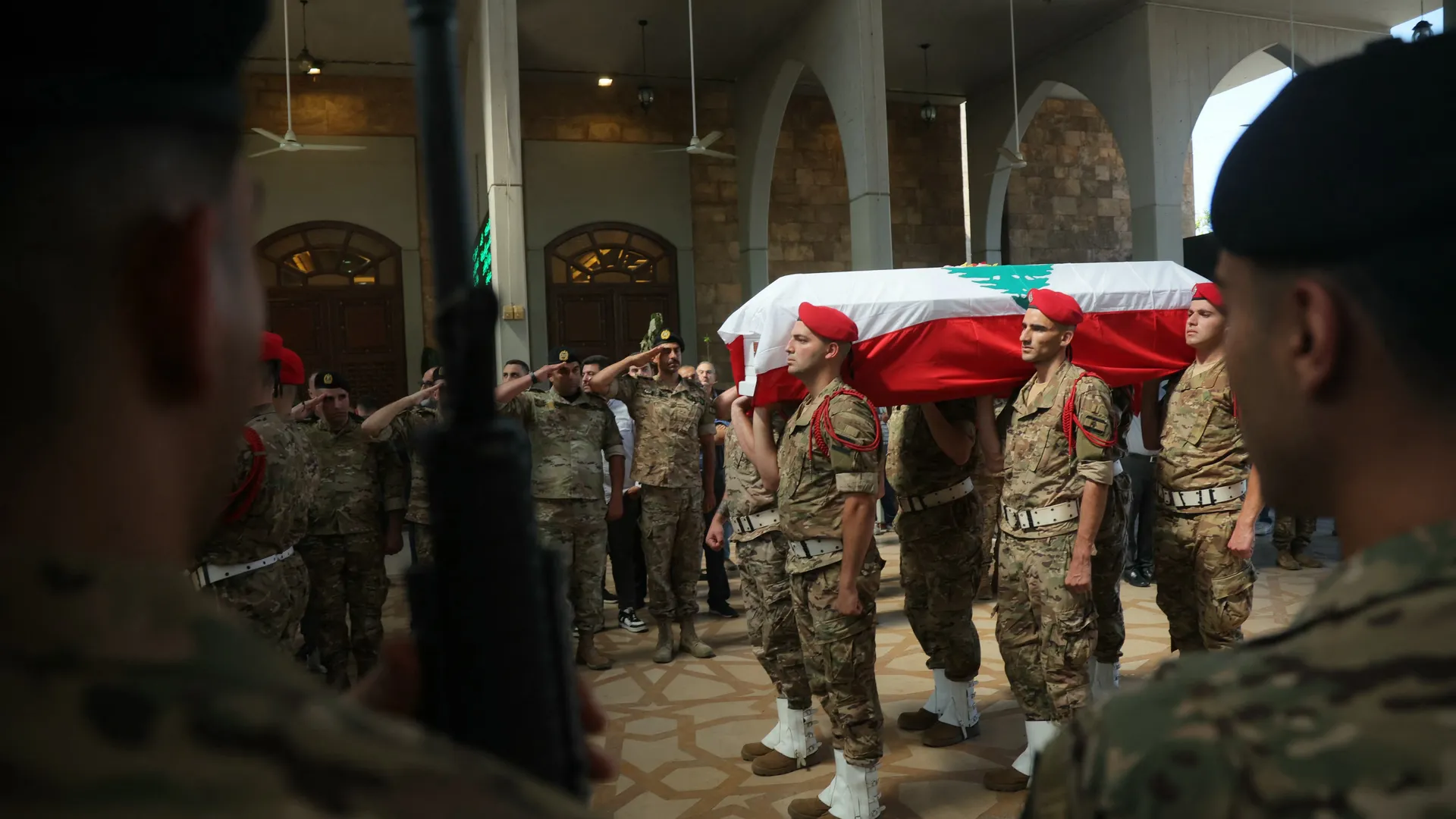
Israel conducted strikes on Beirut's southern suburbs on Sunday, targeting the Dahieh district, which is recognized as a Hezbollah stronghold. This strike was carried out in direct retaliation for a Hezbollah missile attack on northern Israel. Dahieh, specifically, is a Shia district known for being a key Hezbollah stronghold, making it a significant target in the ongoing conflict. Israeli officials informed the Trump administration that Hezbollah's ongoing attacks against northern Israel constituted a violation of a ceasefire agreement, thereby granting Israel the right to strike Beirut. These Israeli officials further communicated their intent to continue striking Beirut whenever Hezbollah launches attacks against northern Israel, signaling a clear and consistent policy of retaliation. The United States has affirmed its support for Israel's right to self-defense, emphasizing its stance on the nation's security imperatives.
The recent Israeli strike on Beirut's southern suburbs, particularly the Dahieh district, shows the escalating nature of the regional conflict. The Israeli government has maintained that its actions are a direct response to provocations from Hezbollah. By targeting a known Hezbollah stronghold, Israel aims to degrade the group's operational capabilities and deter future attacks against its northern territories. The communication between Israeli officials and the Trump administration noted a specific interpretation of existing ceasefire agreements, asserting that Hezbollah's actions had nullified previous arrangements and justified Israeli countermeasures. This diplomatic exchange also served to reinforce Israel's declared policy: any aggression originating from Hezbollah against northern Israel would be met with strikes on Beirut. The unwavering support from the United States for Israel's right to self-defense provides a key diplomatic backing for these actions, framing them within a broader context of national security.
Iran's Retaliatory Threats and Regional Implications
Iran issued threats last week, indicating it would launch a missile attack against Israel if strikes on Beirut continued. This warning from Tehran injected a new layer of complexity and danger into an already volatile situation. Senior Iranian lawmakers publicly threatened retaliation, with Ebrahim Rezaei, a member of the Iranian parliament's national security committee, stating on X that Iran "will give a decisive and painful response to the Zionist regime's attack on Dahieh." Rezaei also instructed followers to "watch the skies" over Israel tonight, signaling an imminent reaction and raising alarm about potential Iranian military responses.
Mohammad Bagher Ghalibaf, the Iranian speaker of parliament and chief negotiator, echoed these sentiments, reinforcing the gravity of Iran's warnings. Ghalibaf wrote on X, "They neither adhere to the ceasefire nor believe in dialogue, and with the naval blockade and violation of agreements on Lebanon, they showed that they only understand the language of force." He further asserted, "The naval blockade against the Iranian nation and today's U.S. Green light to the Zionist regime turn American and regime bases and assets in the region into legitimate targets." Ghalibaf concluded his statement by affirming, "Our armed forces are ready as always," a declaration intended to convey Iran's preparedness for military engagement. These statements from prominent Iranian officials show a heightened state of alert and a clear warning against continued Israeli military actions in Lebanon, suggesting a potential for broader regional escalation. The explicit mention of American bases and assets as legitimate targets signals Iran's readiness to expand the conflict beyond direct Israeli-Lebanese engagement, drawing in U.S. Forces positioned in the Middle East.
The rhetoric from Iran's political leadership reflects a deep-seated commitment to defending its allies and interests in the region. Ebrahim Rezaei's public declaration on social media, urging followers to "watch the skies" over Israel, was a deliberate act designed to generate anticipation and fear of an immediate retaliatory strike. This type of communication strategy is often employed to demonstrate resolve and project power. Similarly, Speaker Ghalibaf's condemnation of perceived violations of international agreements and the "U.S. Green light" to Israel serves to frame Iran's potential response as a justified reaction to aggression. His assertion that "American and regime bases and assets in the region" could become legitimate targets represents a significant escalation in threats, directly implicating the United States in the potential fallout of the conflict. Such pronouncements from high-ranking Iranian officials are not merely rhetorical; they are often interpreted as serious indicators of strategic intent, demanding careful consideration from regional and international actors. The readiness of Iran's armed forces, as stated by Ghalibaf, further reinforces the potential for a military confrontation that could destabilize the entire Middle East.
Ceasefire Efforts and Rejection by Hezbollah
Amidst these escalating tensions, diplomatic efforts were made to de-escalate the conflict. President Donald Trump announced a partial ceasefire following an expletive-laden call with Israeli Prime Minister Benjamin Netanyahu. This agreement included an Israeli commitment to refrain from attacking Beirut in return for Hezbollah stopping attacks on Israeli border towns. This partial ceasefire agreement temporarily halted Israel's plans for extensive strikes on Beirut, which had been prepared in response to Hezbollah's drone and missile strikes on the preceding Monday. The immediate impact of this agreement was to prevent a potentially wider conflict, at least for a brief period.
Subsequently, Israel and Lebanon reached an agreement for a full ceasefire on Wednesday. This full agreement was conditional on Hezbollah halting its attacks and withdrawing its operatives from the area south of the Litani River in Lebanon. The terms were designed to create a demilitarized zone and ensure the security of Israel's northern border. However, Hezbollah rejected the terms of this full ceasefire on Thursday, thwarting the diplomatic efforts to secure a lasting peace. This rejection noted the deep divisions and lack of consensus among the parties involved, particularly Hezbollah's unwillingness to accept conditions that it likely viewed as compromising its strategic position.
A U.S. Official stated that Hezbollah faces a critical decision regarding its future actions. Regarding the group's options, the official remarked, "It can continue fighting a pointless war, or it can finally allow the return of the displaced and the reconstruction of Lebanon." This statement showed the humanitarian consequences of continued hostilities and presented a clear choice for Hezbollah. The official further characterized the proposed agreement, noting that "The terms on the table are fair, have the consent of both sovereign governments, and provide a clear path to end the fighting." This emphasized the legitimacy and reasonableness of the ceasefire proposal from the perspective of the United States and the sovereign nations involved.
The United States supports Israel's right to self-defense and stands with the legitimate Government of Lebanon as it works to deliver a better future for its citizens. The U.S. Official showed that Hezbollah "must stop firing immediately and allow these agreements to take effect," placing the onus squarely on the group to de-escalate. The official explicitly assigned responsibility for ongoing hostilities, stating, "Hezbollah is exclusively to blame for any continuation of hostilities." This firm stance from the U.S. Indicates a clear diplomatic strategy aimed at isolating Hezbollah and pressuring it to accept the ceasefire terms for the benefit of regional stability and the Lebanese people.
U.S. Stance and Regional Security Preparedness
The strike on Beirut was reportedly carried out in retaliation for a Hezbollah missile attack on northern Israel, which prompted the Israeli military to respond. The Israeli military stated that it intercepted Hezbollah missiles, without providing further details on the number or type of interceptions, indicating a defensive posture alongside offensive actions. According to reports, U.S. Forces positioned in the Middle East are prepared for defense should Iran carry out its threats and initiate new attacks. This readiness includes heightened vigilance and strategic deployments to safeguard American personnel and assets in the region against potential Iranian aggression.
The United States views the ongoing diplomatic process, despite setbacks, as a means to bolster Lebanon's sovereignty while simultaneously enhancing Israel's security. This perspective aligns with Washington's broader goals for regional stability, seeking to de-escalate tensions through a framework that addresses the security concerns of both Israel and Lebanon. The U.S. Sees the process as a way to strengthen Lebanon's sovereignty while improving Israel's security, creating a more stable environment for all parties. The readiness of U.S. Forces shows the potential for wider regional implications if the conflict escalates further, noting the delicate balance between diplomatic efforts and military preparedness in the volatile Middle East. The U.S. Commitment to its allies and its strategic interests in the region remains a critical factor in shaping the dynamics of this escalating conflict.