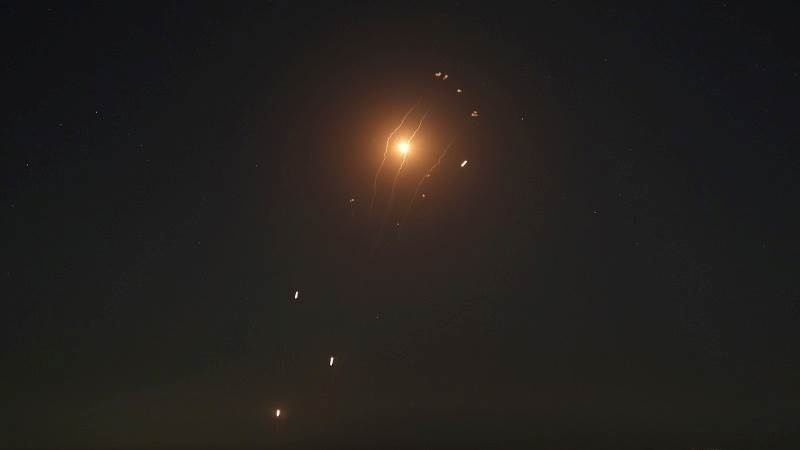
The Israeli army announced on Thursday that it had killed more than 220 members of the Lebanese group Hezbollah since a ceasefire began on April 17. This declaration detailed significantly intensified operations against the group in recent weeks. The ongoing military actions, primarily conducted through airstrikes and ground engagements, have led to a substantial increase in reported casualties on both sides of the border. Among those killed was Ahmed Ghaleb Balout, commander of the Radwan Force, a prominent Hezbollah special operations unit, who was assassinated in a targeted airstrike carried out on Wednesday. This particular operation notes the precision and intensity of Israel's military strategy in the region.
Escalating Military Actions
The announcement by the Israeli military spokesperson showed the rapid pace of recent operations. More than 85 of the reported Hezbollah fatalities occurred in the past seven days alone, indicating a concentrated period of military engagement. During this period, Israeli forces attacked more than 180 targets, which they claimed to be "military infrastructure" belonging to Hezbollah. These targets reportedly included rocket launch sites, command centers, weapons depots, and observation posts, all deemed key to the group's operational capabilities.
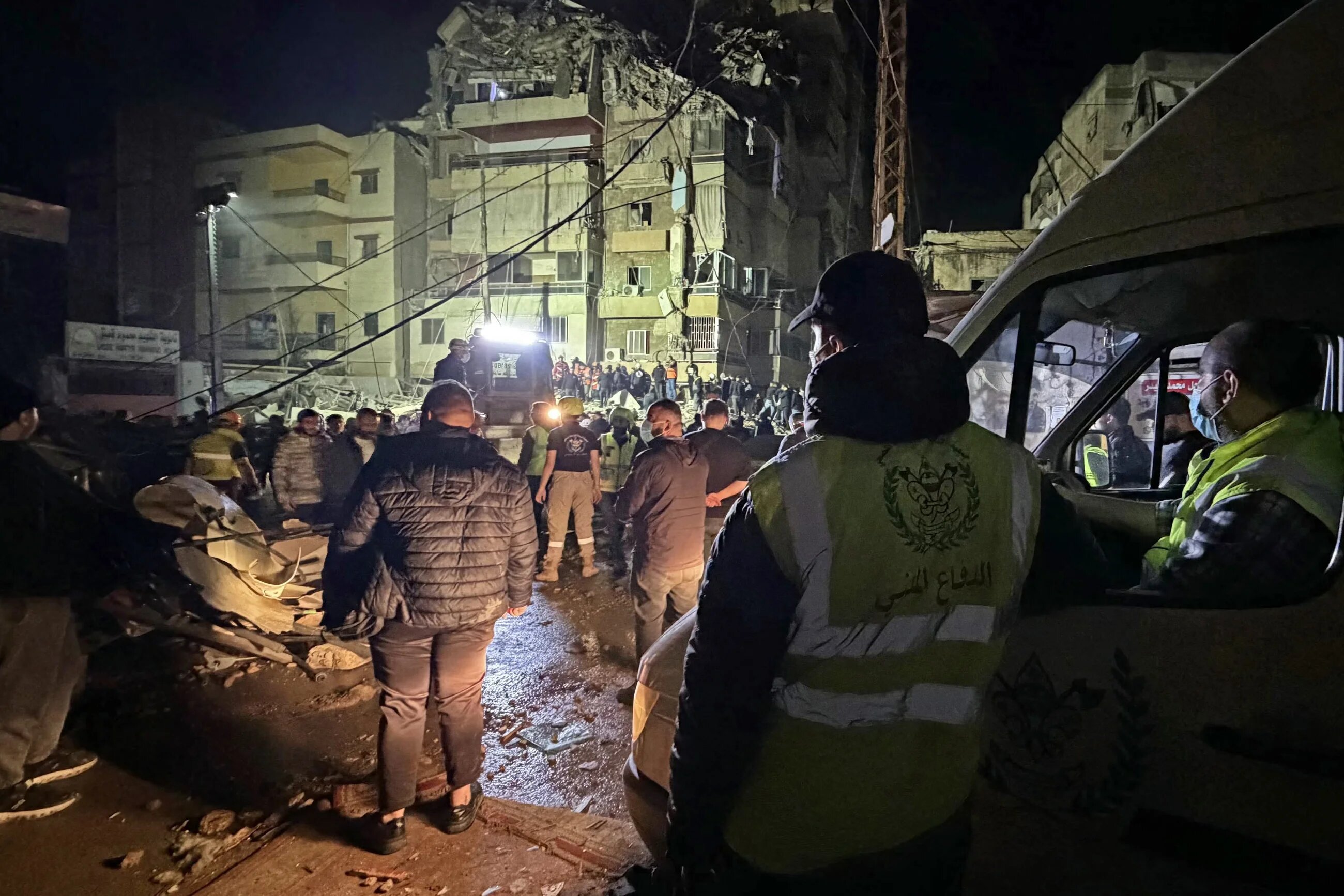
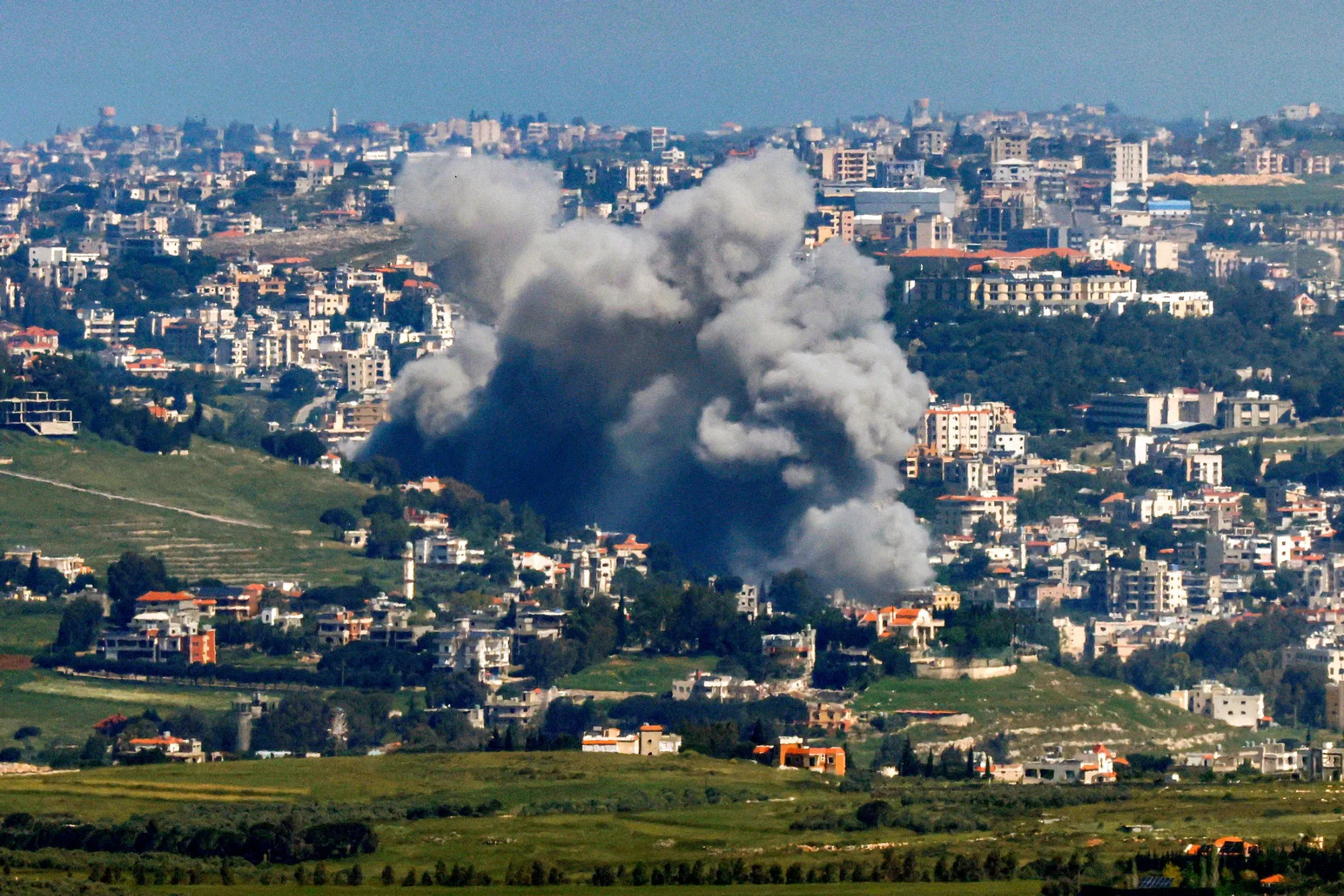
The official Lebanese news agency reported that three people were killed and a fourth wounded since dawn on Thursday in a series of airstrikes. These strikes specifically targeted 16 southern towns within Lebanese territory. The continuous exchange of fire and targeted operations has kept the border region in a state of high alert, with residents frequently experiencing the direct impact of the conflict. The Israeli military has consistently stated that its operations are defensive, aimed at preventing Hezbollah from launching attacks into Israeli territory and degrading the group's military capacity. Conversely, Hezbollah has vowed to continue its resistance against what it terms Israeli aggression and occupation.
Ceasefire Terms and Diplomatic Track
The current ceasefire, which commenced on April 17, was intended to de-escalate tensions and provide a window for diplomatic efforts. This temporary cessation of hostilities is officially scheduled to remain in effect until May 17. However, the reported casualties and ongoing military actions from both sides suggest a fragile adherence to the ceasefire terms, raising concerns about its long-term viability.
In parallel with the military developments, diplomatic efforts are underway to find a more lasting resolution to the conflict. A third round of talks concerning the ongoing situation is scheduled to be held in Washington next week. This upcoming session follows two previous rounds of discussions that occurred on April 14 and April 23. These talks involve international mediators and representatives from the involved parties, aiming to negotiate a more full and stable agreement for the volatile border region. The discussions are reportedly focusing on mechanisms for sustained de-escalation, border security arrangements, and the potential for a broader political settlement.
Humanitarian Toll and Border Situation
The human cost of the escalating conflict has been severe, as reflected in official Lebanese statistics. Since the large-scale Israeli offensive began on March 2, 2,715 deaths and 8,353 injuries have been recorded across Lebanon. These figures include both combatants and civilians, noting the wide-ranging impact of the hostilities on the general population. The ongoing conflict has also led to significant internal displacement within the country. More than 1.6 million people have been displaced from their homes, a figure that represents approximately one-fifth of Lebanon's total population. These displaced individuals often face dire humanitarian conditions, including shortages of food, shelter, and medical supplies, placing immense strain on local and international aid organizations.
Additionally, reports from the ground confirm that the Israeli occupation of border areas extends up to 10 kilometers deep into Lebanese territory. This occupation has further complicated humanitarian access and has been a persistent point of contention, contributing to the cycle of violence and instability along the shared frontier. The presence of Israeli forces within Lebanese territory is viewed by many as a violation of sovereignty and a direct cause of ongoing hostilities, further deepening the humanitarian crisis and prolonging the conflict's devastating effects on civilian lives.