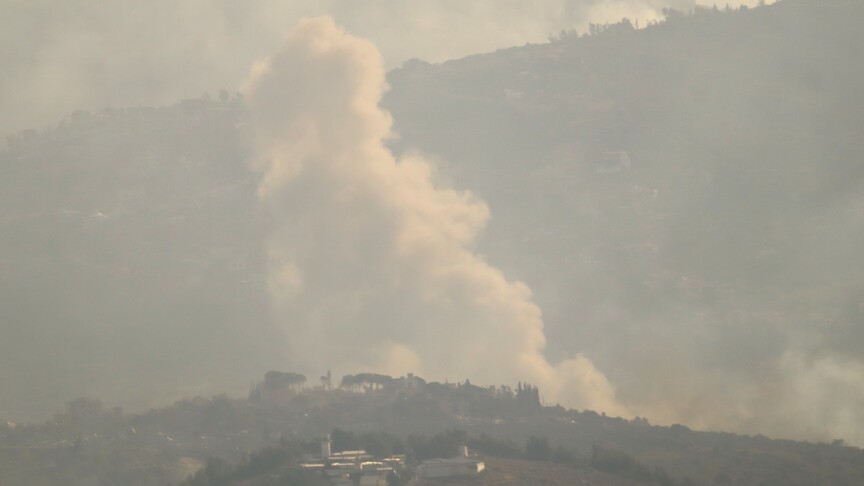
Israel launched 82 attacks on southern and eastern Lebanon on Tuesday, including an assault involving phosphorus bombs, one day before the Eid al-Adha holiday. The extensive military operations marked a significant escalation in the ongoing conflict. The attacks occurred on the Day of Arafah during the Hajj pilgrimage, a period of religious observance for millions worldwide. Phosphorus shells were reportedly fired toward the town of Shebaa, located in the Hasbaya district, as part of the broader Israeli military operations. The use of such munitions has often drawn international scrutiny.
Intense Strikes Across Lebanon
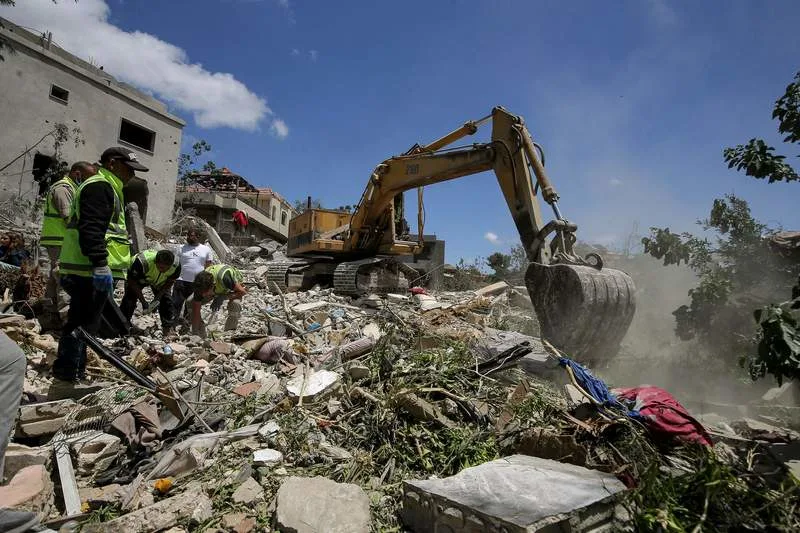
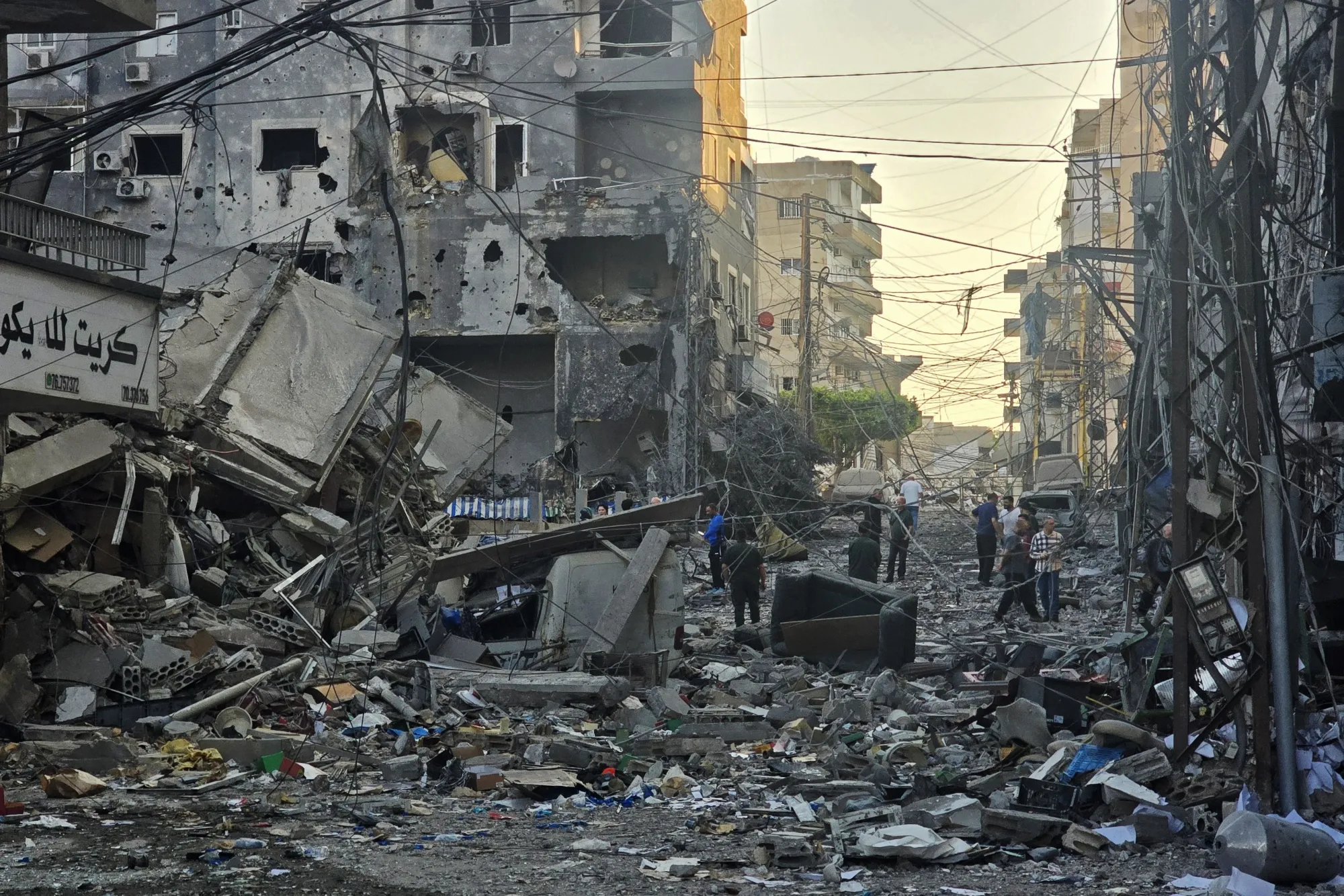
By 1400 GMT, Israel had launched a total of 82 attacks, encompassing 72 airstrikes and 10 artillery strikes across various locations in Lebanon. These widespread operations resulted in significant casualties, including the deaths of two paramedics who were on duty. The southern Nabatieh district experienced the most intense strikes, with at least 43 airstrikes reported on towns such as Yohmor al-Shaqif, Zawtar al-Sharqiya, Doueir, and Sharqiya. The sheer volume of strikes in this region shows the severity of the Israeli offensive.
In the Tyre district, nine strikes targeted various areas, including the town of Srifa, where one paramedic was tragically killed and two others sustained injuries while carrying out their essential duties. Israeli artillery shelling also targeted several border areas during the operations, contributing to the widespread destruction and fear among residents. Further east, in a separate incident, an Israeli strike hit a crossing near the Qaraoun Dam in the western Bekaa region, severing a critical road that leads to the town of Mashghara. This disruption has significant implications for local transportation and access. Additionally, reports indicated Israeli drones were flying over Beirut and its suburbs, suggesting a broader surveillance and operational reach across the country.
Escalation and Casualties
The series of attacks resulted in the deaths of at least four people, with at least four others sustaining injuries, according to initial reports. The human toll notes the immediate and devastating impact of the military actions. Strikes on Zawtar al-Sharqiya reportedly killed two individuals, adding to the somber casualty count. These fatalities show the dangers faced by civilians in areas targeted by the strikes.
In the Bint Jbeil district, Israeli forces conducted 13 airstrikes, targeting areas including Kherbet Selem. One person was killed in Kherbet Selem when a vehicle was struck during these operations, illustrating the precision and lethality of the attacks. The targeting of vehicles often raises concerns about civilian safety in conflict zones.
Broader Conflict Context
The recent attacks have been described as one of the most severe escalations since a ceasefire began on April 17, indicating a significant deterioration in the fragile stability of the region. This current surge in violence follows a period of relative calm, making the scale and intensity of Tuesday's operations particularly alarming. Official Lebanese figures indicate that Israel has carried out a large-scale offensive in Lebanon since March 2. This offensive has resulted in a staggering number of casualties, with 3,185 people confirmed dead and 9,633 others wounded, painting a grim picture of the ongoing humanitarian crisis and the profound impact on civilian lives. The continuous nature of these operations has led to widespread displacement and significant damage to infrastructure across southern and eastern Lebanon.