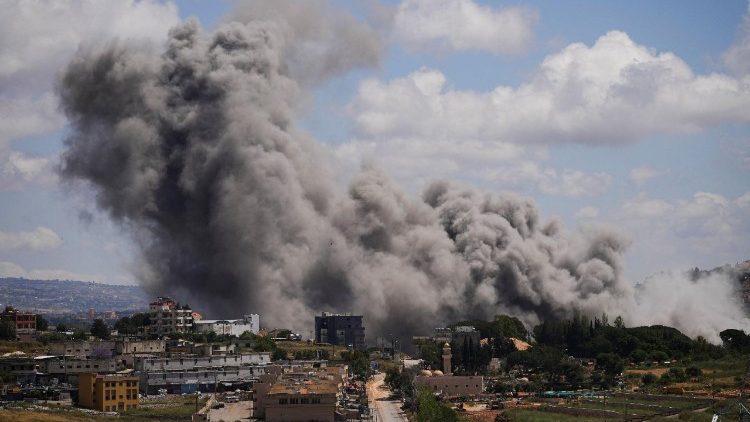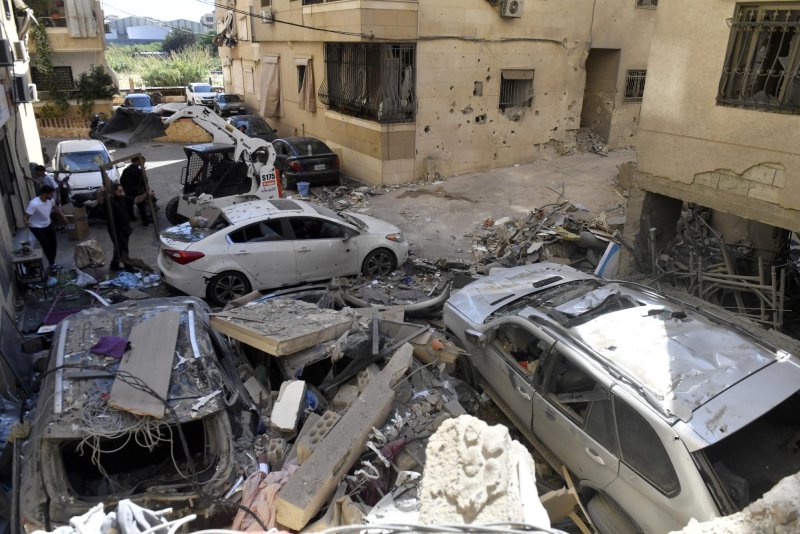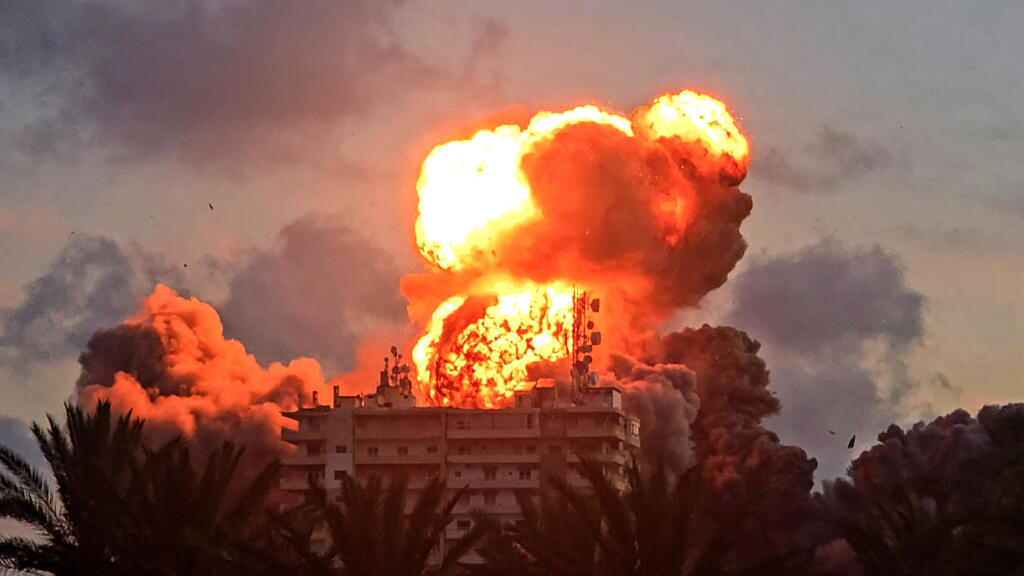
Israel's military announced it launched an airstrike in the Beirut area on Thursday, with Lebanese authorities reporting at least 14 people, including three children, were killed in raids. The military stated it "precisely struck in Beirut," describing the targeted locations as "combat zones." A Lebanese military source, who requested anonymity, told AFP that "an Israeli strike targeted an apartment in the Choueifat area." A separate Lebanese source also confirmed an apartment was hit in the incident. This strike, which Israel's military confirmed was launched in the Beirut area on Thursday, quickly drew international attention and condemnation, further intensifying the already volatile regional situation. The precise nature of the targets within Beirut was not immediately clear from Israeli statements, beyond the general description of "combat zones."
The strike marks the second Israeli raid since an April ceasefire announcement. Lebanon was drawn into the broader Middle East conflict after Hezbollah launched rockets at Israel following the killing of Iran's supreme leader in what were described as US-Israeli attacks. This engagement escalated the long-standing tensions and brought Lebanon directly into the wider regional hostilities. The initial ceasefire, which was intended to bring a period of calm, has been repeatedly challenged by subsequent military actions from both sides, leading to a renewed cycle of violence and retaliation. The Lebanese government has consistently called for a de-escalation of hostilities and respect for its sovereignty, but these calls have largely gone unheeded amidst the ongoing conflict.
Deadly Raids Across Southern Lebanon
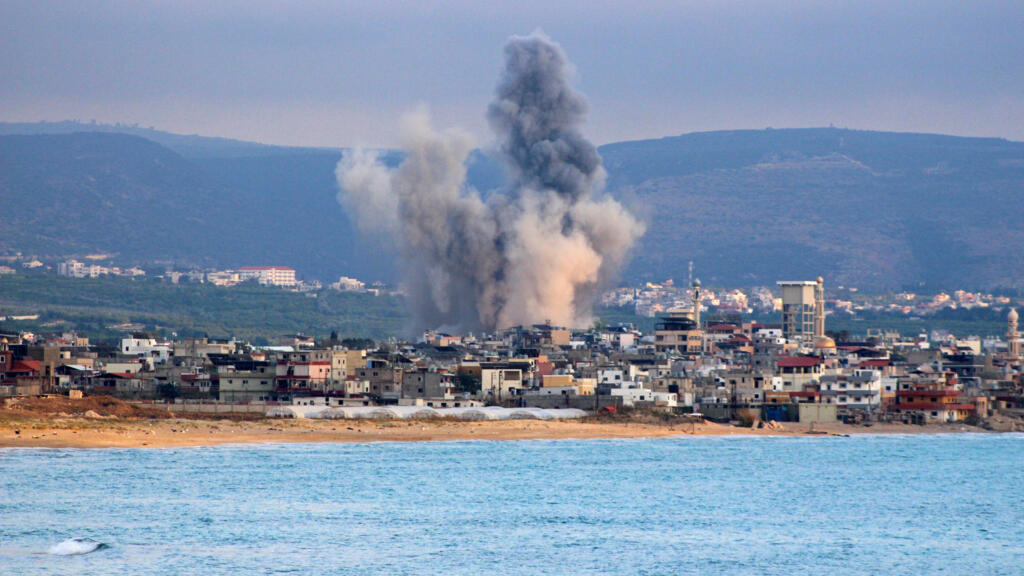
Israeli airstrikes also struck the southern Lebanese cities of Tyre and Sidon early on Thursday. One strike specifically targeted a building located within Tyre's archaeological district, according to reports. This particular incident raised concerns about the potential damage to cultural heritage sites in the region, an issue that has often accompanied conflicts in the Middle East. The impact on the historical integrity of Tyre, a UNESCO World Heritage site, is currently being assessed by local and international bodies. In Tyre, Lebanon's health ministry reported that a strike killed two Syrians, one of whom was a child, adding to the civilian toll. Separately, a strike in Sidon claimed the lives of five people, including two women, noting the devastating impact on non-combatants.
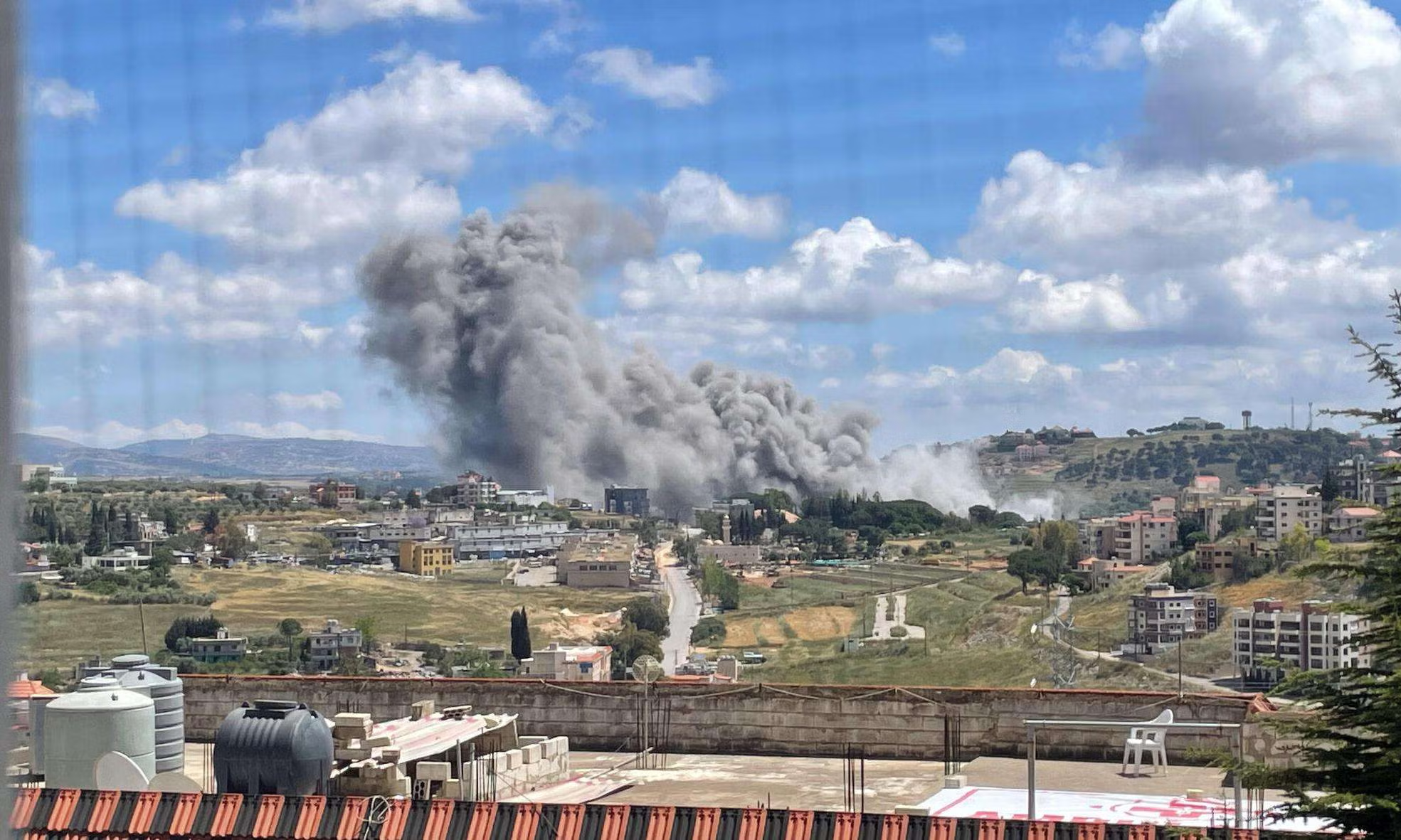
Further south, a separate Israeli strike hit a vehicle in Adloun, a town in south Lebanon, resulting in the deaths of six people. Among those killed were two children, their mother, and their father, according to local reports. This tragic incident showed the severe human cost of the conflict, with entire families being affected by the escalating violence. The incident added to the rising casualty toll reported across Lebanon following the recent military actions, prompting renewed calls from humanitarian organizations for greater protection of civilians. Lebanon's military also confirmed another strike killed a soldier, stating the soldier was killed "while he was driving" in the Nabatieh region. This incident further illustrated the widespread nature of the strikes, impacting military personnel even in transit.
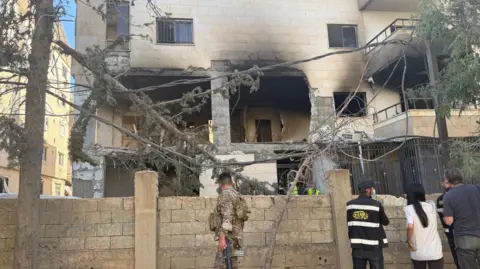
The strike in the Beirut area was the second Israeli strike on south Beirut since a ceasefire between Israel and Hezbollah was supposed to take effect on April 17. The ceasefire was intended to de-escalate tensions in the region, but recent events indicate a renewed intensity in military engagements. In the Choueifat area, the first two floors of a residential building sustained damage from an Israeli strike. The extent of the damage to the structure and surrounding properties was being assessed by local authorities, who are also working to provide assistance to displaced residents. Residents in the vicinity reported significant damage to their homes and businesses, leading to widespread fear and disruption of daily life. The repeated targeting of residential areas has led to an increase in internal displacement within Lebanon, as families seek safer locations away from the immediate conflict zones.
Escalating Cross-Border Fire
Hezbollah claimed several attacks with rockets and drones on Israeli troops in south Lebanon on Thursday. The cross-border fire continued to intensify, with a significant increase in projectile activity reported by international observers. These attacks by Hezbollah are often described as retaliatory measures for Israeli actions, perpetuating a cycle of violence that has proven difficult to break. The use of drones, in particular, represents an evolving aspect of the conflict, posing new challenges for defense systems and increasing the precision of potential strikes. The frequency and scale of these operations have raised alarms among UN peacekeepers and international observers about the potential for a wider regional conflagration.
Kandice Ardiel, a spokesperson for the United Nations Interim Force in Lebanon (UNIFIL), provided an assessment of the recent escalation. Ardiel stated that "Wednesday saw around 670 projectiles fired -- the highest level since 17 April." The UNIFIL force reiterated this observation in a statement, noting the substantial increase in exchanges. This figure represents a dramatic surge in hostilities, far exceeding the levels observed during the period immediately following the April 17 ceasefire agreement. UNIFIL, which operates in southern Lebanon, has a mandate to monitor the cessation of hostilities and support the Lebanese Armed Forces in maintaining security. The increased projectile activity places UNIFIL personnel at heightened risk and complicates their efforts to maintain stability and prevent further escalation. The spokesperson emphasized the urgent need for all parties to respect their obligations under international law and to cease hostilities immediately to prevent further loss of life and damage to infrastructure.
Amid the escalating situation, Israel's military declared all areas south of Lebanon's Zahrani River as "combat zones" on Wednesday, instructing residents to evacuate. This declaration effectively expanded the scope of potential military operations and placed a large civilian population at risk. The Zahrani River marks a significant geographical boundary, and the expansion of "combat zones" beyond previous limits signals a deepening of the conflict. On Thursday afternoon, the Israeli military issued a further evacuation warning for large sections of Tyre and its surrounding areas, urging civilians to leave. These evacuation orders have led to mass displacement, with thousands of Lebanese citizens forced to abandon their homes and seek refuge in safer areas, often with limited resources and support. Humanitarian organizations are struggling to cope with the influx of displaced persons, providing emergency aid and shelter.
Israel's military also reported a casualty on Wednesday, stating that a soldier was killed by a Hezbollah drone near the border. This incident showed the direct impact of the drone and rocket attacks, demonstrating the persistent threat faced by Israeli forces along the frontier. The death of the soldier notes the ongoing nature of the cross-border engagements and the dangers inherent in the current security environment. Israeli officials have vowed to respond forcefully to such attacks, indicating a continued cycle of retaliation.
Context and International Accusations
Lebanon's health ministry reported that a strike in Tyre resulted in the deaths of two Syrians, one of whom was a child. Separately, a strike in Sidon claimed the lives of five people, including two women. Lebanon's military confirmed another strike killed a soldier. The military stated the soldier was killed "while he was driving" in the Nabatieh region. These multiple reports from Lebanese authorities paint a grim picture of widespread casualties across various regions, affecting both Lebanese citizens and Syrian refugees, and both civilians and military personnel. The precise circumstances of each strike and the identity of all victims are still being investigated by Lebanese authorities, who are also working to document the damage to infrastructure and residential areas.
Internationally, the United States and Iran exchanged accusations regarding violations of their ongoing truce on Thursday. The mutual accusations emerged amidst the renewed military activity in the region. This diplomatic friction between the US and Iran adds another layer of complexity to the already volatile Middle East, suggesting that the regional conflict is intertwined with broader geopolitical dynamics. The accusations highlight the fragility of any existing agreements and the deep-seated mistrust between the two nations, which often manifests in proxy conflicts across the region. The international community continues to call for restraint and diplomatic solutions to prevent a further unraveling of stability in the Middle East.