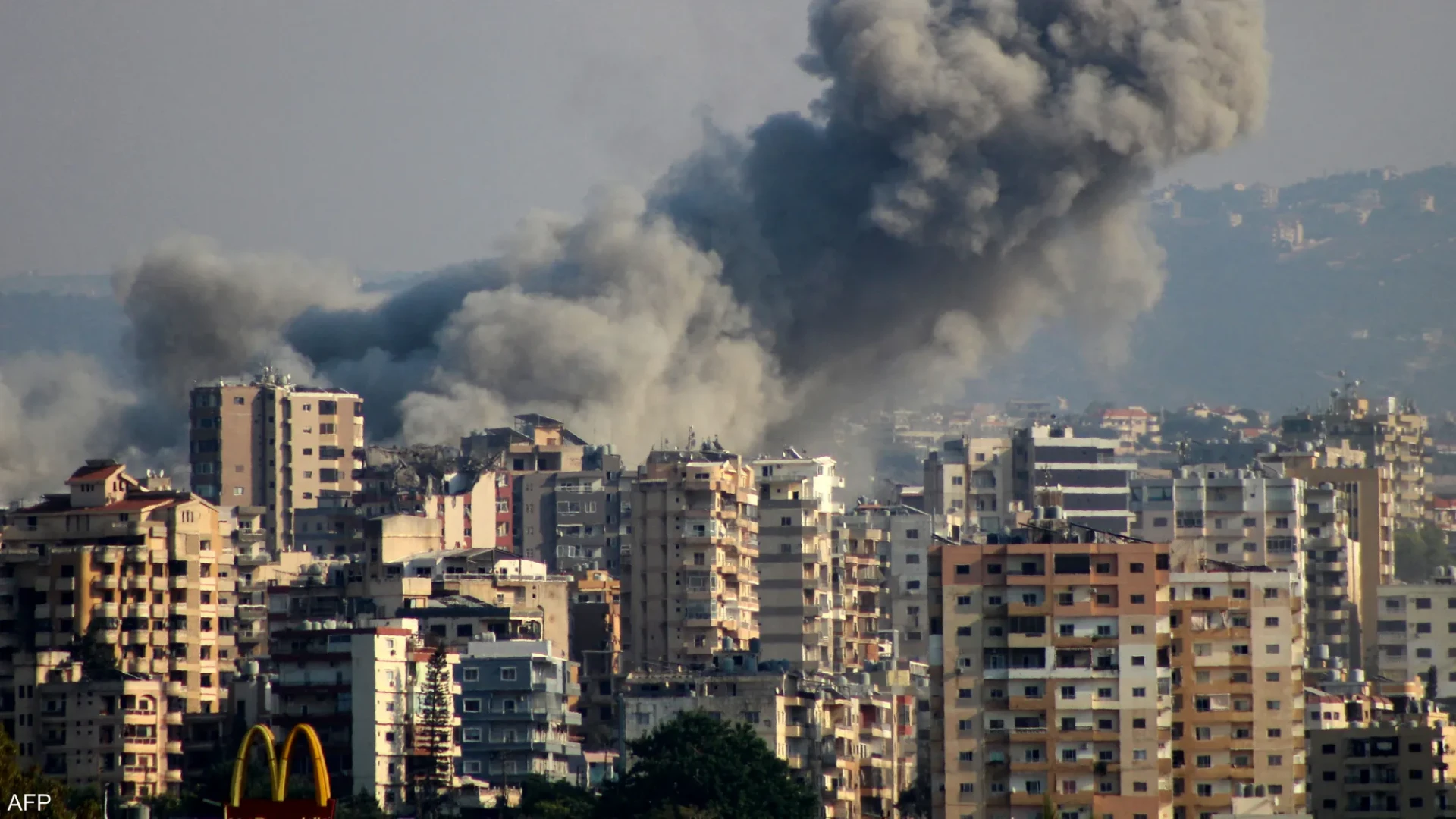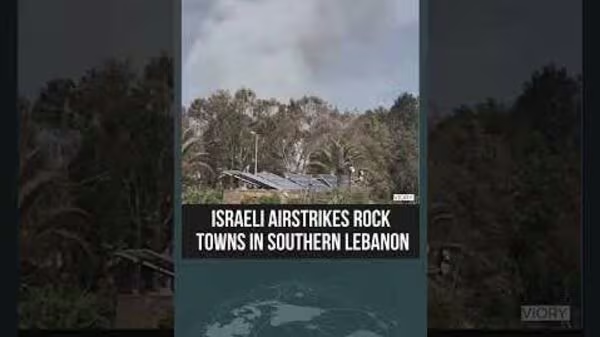
Israel launched new aerial attacks against Hezbollah targets across southern Lebanon on Saturday, hours after a ceasefire extension was announced. The strikes prompted a significant displacement of local residents, who began fleeing north towards Beirut and the coastal city of Sidon. The military actions occurred despite ongoing diplomatic efforts to maintain regional calm, casting a shadow over the fragile diplomatic progress made just a day prior. These fresh aerial attacks initiated by Israel against Hezbollah targets across southern Lebanon on Saturday represent a significant escalation.
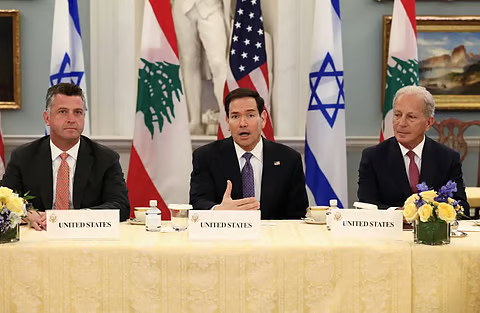
The attacks occurred merely 24 hours after both nations had agreed to prolong their ceasefire during U.S.-brokered talks in Washington, a development that had offered a glimmer of hope for de-escalation in the volatile region. A spokesperson for the Lebanese government, speaking anonymously, stated, "We are in doubt about their seriousness," regarding the timing of the Israeli operations amidst truce negotiations. This sentiment shows the deep skepticism and mistrust prevalent among Lebanese officials concerning Israeli intentions, especially in light of the ongoing diplomatic overtures. The displacement added to concerns about the humanitarian situation in southern Lebanon, with thousands forced to abandon their homes and seek refuge further north.
Evacuation Orders Issued Amidst Intensified Bombardments
The bombardments targeted at least five southern villages, according to reports from local authorities and humanitarian organizations. These strikes represent a continuation of a broader pattern of military engagement in the area. Prior to the operation, the Israeli military issued urgent evacuation orders for nine specific villages located within the Nabatieh and Sidon districts. The issuance of these orders signaled an imminent and substantial military action, prompting widespread alarm among civilian populations. The Israeli military stated, "The IDF has begun striking Hezbollah infrastructure sites in several areas in southern Lebanon," confirming the deliberate nature of their operations.
These evacuation orders preceded the reported strikes in southern Lebanon, indicating a pre-planned offensive rather than an immediate reactive measure. The scale of the evacuations suggests a significant military undertaking, designed to minimize civilian casualties on the Lebanese side while targeting Hezbollah assets. A spokesperson for the Lebanese government, speaking anonymously, expressed profound concern regarding the timing of the Israeli operations amidst truce negotiations, reiterating, "We are in doubt about their seriousness." The strikes and subsequent displacement of residents contributed to growing humanitarian concerns in the region, with aid agencies struggling to cope with the influx of displaced families needing shelter, food, and medical assistance. The humanitarian impact of these renewed hostilities is a critical aspect of the ongoing crisis, exacerbating an already precarious situation for thousands of Lebanese citizens.
Broader Conflict Context and Escalating Casualties
The current conflict, which has drawn Lebanon into a broader regional crisis, began on March 2. On that date, Hezbollah launched a massive rocket barrage into Israel, marking a significant turning point in the regional tensions. This initial Hezbollah attack was carried out in retaliation for the targeted killing of Iran's Supreme Leader, Ali Khamenei, an event that sharply escalated hostilities between the various regional actors. Lebanese health authorities have reported a staggering toll, indicating that Israeli operations have claimed over 2,900 lives in Lebanon since hostilities began. This grim figure notes the severe human cost of the protracted conflict.
A significant portion of these fatalities occurred even after attempts at de-escalation; more than 400 fatalities were documented in Lebanon after the initial truce was enacted, showing the fragility of any ceasefire agreements and the persistent violence. The Israeli military, for its part, has confirmed the deaths of 19 soldiers during combat operations in southern Lebanon since the fighting erupted, demonstrating that the conflict is exacting a heavy toll on both sides. An anonymous spokesperson for the Lebanese government again expressed concern regarding the timing of the Israeli operations amidst truce negotiations, stating, "We are in doubt about their seriousness." The Israeli military had previously stated, "The IDF has begun striking Hezbollah infrastructure sites in several areas in southern Lebanon," a declaration that has been consistently followed by intensified military actions. The cycle of violence, retaliation, and diplomatic skepticism continues to define the landscape in southern Lebanon.
Diplomatic Stalemate Unfolds Amidst Renewed Hostilities
The attacks on southern Lebanon occurred just 24 hours after both nations had agreed to prolong their ceasefire during U.S.-brokered talks in Washington. This agreement had been seen as a key step towards de-escalation, making the subsequent Israeli strikes particularly bewildering to observers and directly challenging the credibility of the diplomatic process. Lebanon's official diplomatic delegation in Washington formally welcomed the new 45-day truce extension on Friday, signifying their commitment to finding a peaceful resolution. This diplomatic welcome was a public gesture aimed at fostering stability.
However, Hezbollah, described as a heavily armed, Iran-backed faction, strongly rejects these diplomatic negotiations, viewing them with suspicion and preferring to continue its military posture. This rejection from a key non-state actor significantly complicates any peace efforts. Iran's foreign minister identified a fundamental deficit of trust as the primary barrier to securing a peace agreement with the United States, suggesting that deep-seated historical grievances and geopolitical rivalries are impeding progress. This lack of trust extends beyond direct negotiations, affecting regional stability.
Iran's top diplomat stated on Friday that Iran would welcome third-party mediation, specifically from Beijing, to de-escalate the regional standoff, signaling a potential openness to alternative diplomatic channels. This proposal suggests a desire to bypass direct engagement with the U.S. Given the stated trust deficit. US President Donald Trump, however, dismissed Iran's latest formal proposal as "garbage" earlier this week, indicating a firm rejection of any overtures from Tehran and a lack of willingness to engage in the proposed mediation. Despite the diplomatic impasse between Washington and Tehran, Trump and Chinese President Xi Jinping agreed the strait needs to be reopened, noting a shared concern for maritime security and trade routes in the region, even if broader diplomatic solutions remain elusive. The renewed hostilities in southern Lebanon show the profound challenges facing international efforts to bring lasting peace to the volatile Middle East.