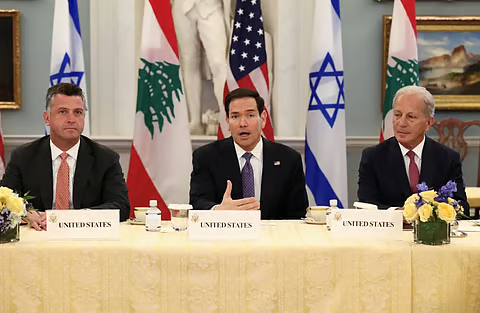
Israel and Lebanon concluded their third round of peace talks on Thursday at the US State Department in Washington DC. The US mediation effort, a key component of the ongoing diplomatic process, was led by US Ambassador to Israel Mike Huckabee, Secretary of State Marco Rubio’s adviser Michael Needham, and US Ambassador to Lebanon Michael Issa. The Lebanese delegation included Lebanon’s former ambassador to the US, Simon Karam, noting the involvement of seasoned diplomats in the discussions. The extensive negotiations aimed to foster progress between the two nations, which have historically lacked formal diplomatic relations.
Delegations and Objectives
The Israeli delegation was led by Israel’s ambassador to the US, Yechiel Leiter. He was accompanied by Brigadier-General Amichai Levin, the Israel Defense Forces (IDF) Head of Strategy, showing the security dimensions of the talks. A representative from the National Security Council also accompanied the Israeli delegation, further emphasizing the strategic importance placed on these discussions by Israel. Additionally, the acting Israeli military attaché in Washington was part of the team, bringing military expertise directly to the negotiating table.
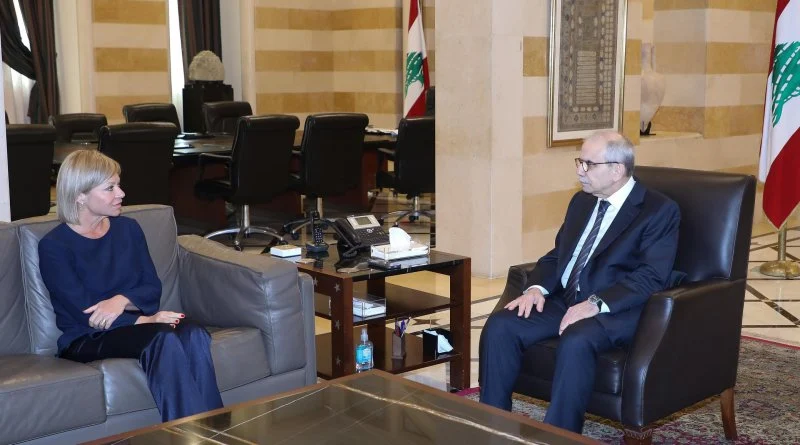
On the Lebanese side, the delegation featured current Lebanese ambassador Nada Hamadeh Mouawad, who played a central role in representing Lebanon's interests. Lebanon’s military attaché in Washington also participated in the discussions, mirroring the Israeli delegation's inclusion of military representation. The composition of both delegations, featuring high-ranking diplomats and military officials, showed the significance placed on security and strategic considerations during the talks, marking a notable shift in the format of these negotiations. This full representation aimed to address the multifaceted challenges inherent in resolving long-standing issues between the two states.
Context and Ceasefire
The third round of negotiations marked a significant development as it was the first to include military representatives from both delegations, signaling a more direct engagement on security matters. These talks occurred just before the expiration of a three-week ceasefire extension, adding a sense of urgency to the proceedings. The US President had announced this extension on April 23, providing a limited timeframe for diplomatic progress between the two nations and aiming to create a conducive environment for dialogue. The impending expiration of the ceasefire extension put additional pressure on the delegations to achieve tangible outcomes.
Next Steps and Outlook
The delegations from both Israel and Lebanon are scheduled to reconvene on Friday for additional discussions, indicating an ongoing commitment to the peace process. This upcoming meeting will build on the progress made during the third round of peace talks, which featured military representatives from both sides for the first time, a development that could pave the way for more substantive security discussions. The ongoing negotiations are taking place as a three-week ceasefire extension, announced by the US President on April 23, approaches its expiration, noting the critical juncture at which these discussions are occurring. The continuation of talks signals a shared desire to maintain momentum toward a potential agreement.
Official Reaction
The negotiations, which lasted over eight hours on Thursday, were led by Israel’s ambassador to the US, Yechiel Leiter, for the Israeli delegation. This extended duration reflected the complexity and depth of the issues being addressed by both parties. Before the discussions, an Israeli official had indicated to the Jerusalem Post that the talks aimed to discuss a framework for an agreement in greater depth. The official stated this would allow both sides to explore potential common ground more thoroughly and lay the groundwork for future understanding. This latest round of discussions builds on previous engagements between the two nations, demonstrating a sustained effort to achieve a lasting resolution.