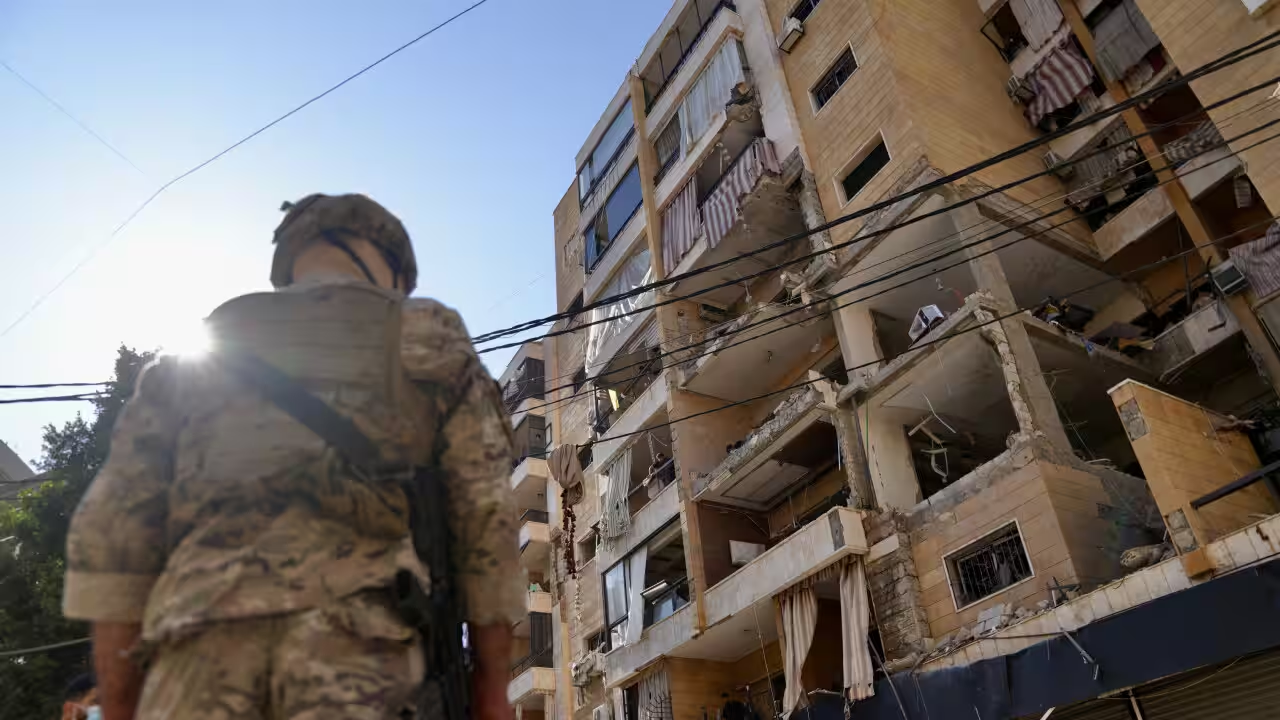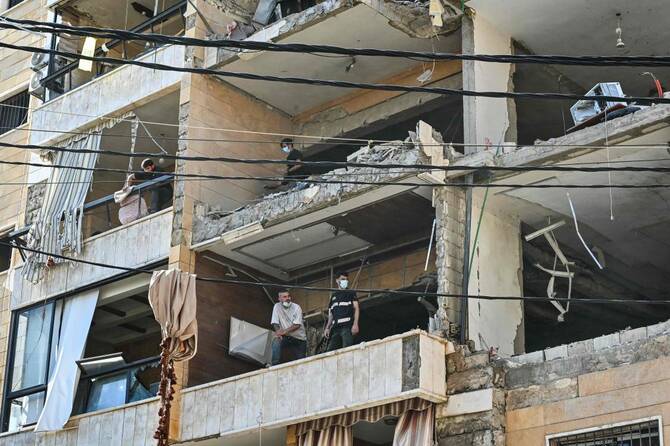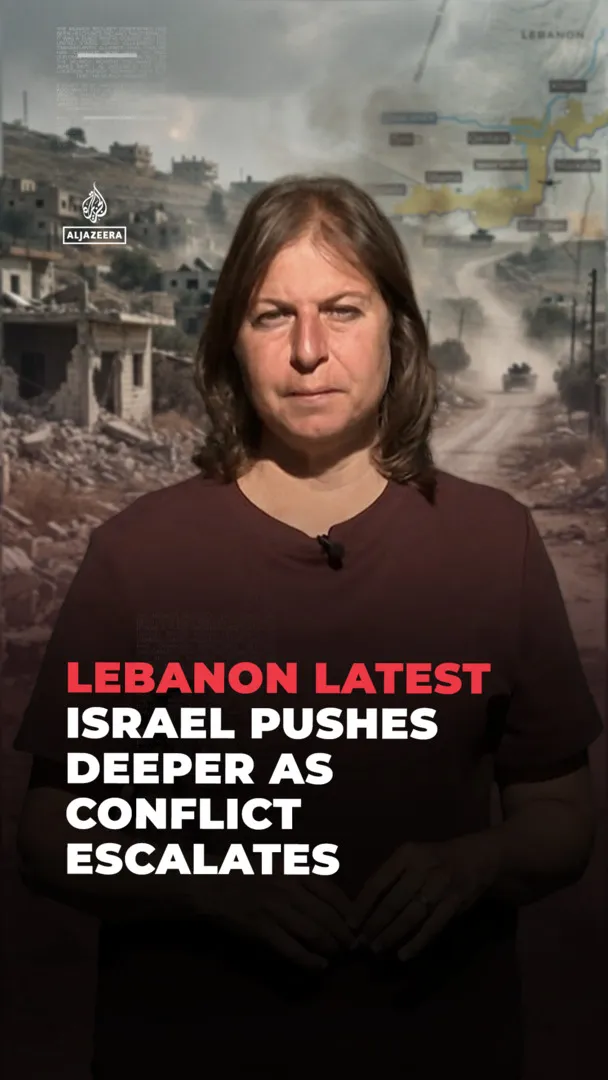
Israel has ramped up its military operations in southern Lebanon, escalating the ongoing conflict in the region as of June 8, 2026. This report, published on June 8, 2026, details the significant increase in military activity. The intensified actions by Israel come amid a broader period of heightened tensions that have characterized the border region for an extended period. These operations are focused on areas within southern Lebanon, particularly those close to the border, according to various security reports and observations from the ground. The scale and frequency of these military engagements have drawn considerable attention from regional and international observers, signaling a potentially critical phase in the long-standing dispute.
Deepening Incursion Details
Israeli forces have continued their military activities in southern Lebanon, extending the scope of their operations within the border region. Reports indicate a sustained presence of Israeli military units in various locations across southern Lebanon, suggesting a more entrenched and prolonged engagement than previously observed. These incursions are not isolated incidents but rather a series of coordinated movements aimed at specific objectives within the Lebanese territory. The operations are part of a broader intensification of actions that began earlier this month, marking a clear shift in military posture.
The ongoing incursions are contributing to increased tensions along the Israel-Lebanon border, creating a volatile environment for residents on both sides. Military analysts are observing a pattern of deeper penetration by Israeli forces compared to previous engagements, indicating a strategic change in their operational approach. This expanded operational depth suggests a more assertive stance from Israel. These actions by Israel mark a significant escalation in the conflict dynamics between the two territories, moving beyond localized skirmishes to more substantial military presence. The situation remains fluid as both sides continue to monitor and respond to movements in the area, with each action potentially triggering a counter-response. The increased military footprint raises concerns about the potential for further destabilization.
Regional Context and Drivers
The intensification of operations in southern Lebanon by Israel is occurring within a broader regional context of heightened geopolitical tensions, where multiple actors are vying for influence and security. Developments along the border between Israel and Lebanon have been a focal point of concern for international observers, given the historical volatility of the area. The current military activities are taking place against a backdrop of prolonged instability in the wider Middle East, influencing the strategic calculations of various actors and shaping their responses. This instability creates a complex web of alliances and rivalries that directly impact the Israel-Lebanon frontier.
Both Israel and Lebanon are deeply affected by regional dynamics, with security considerations often critical in their decision-making processes. The ongoing situation reflects complex historical and political factors that continue to shape the conduct of states and non-state actors in the area, including unresolved territorial disputes and proxy conflicts. Escalations in one part of the region frequently have ripple effects, contributing to a cycle of response and counter-response across borders, illustrating the interconnected nature of regional security. The actions observed in southern Lebanon are thus interconnected with these broader regional patterns, making their implications broad. The strategic importance of the border region cannot be overstated, as it is a critical zone for security for both nations.
International Reactions and Concerns
International bodies and several nations have voiced growing alarm over the escalating military engagements between Israel and Lebanon, urging an immediate de-escalation. Concerns center on the potential for a wider regional conflagration, as operations by Israel continue to intensify in southern Lebanon, threatening to draw in other regional players. Diplomatic efforts are reportedly underway to de-escalate the situation and prevent further deterioration, with various international envoys engaging with both Israeli and Lebanese officials. Calls for restraint have been issued by various international actors, urging both sides to adhere to international law and protect civilian populations from the brunt of the conflict.
The United Nations has consistently monitored the border region, expressing apprehension about the humanitarian implications of sustained conflict, including displacement and loss of life. Officials from multiple foreign ministries have emphasized the critical need for a peaceful resolution and a return to stability in the volatile area, noting the dangers of continued military confrontation. The international community fears that continued military action could destabilize the broader Middle East, creating a cascade of security challenges across the region. The potential for miscalculation and unintended escalation remains a significant worry for global powers.