Israeli Prime Minister Benjamin Netanyahu announced on April 9 that he has instructed his government to initiate peace talks with Lebanon, even as the Israeli military continued intensive operations against Hezbollah. Netanyahu stated that Israel's objectives in these negotiations are the dismantling of Hezbollah and achieving sustainable peace through strength. He noted, "These negotiations have not taken place for over 40 years. They are happening now because we are very strong, and countries are coming to us - not only Lebanon." Prime Minister Netanyahu further instructed the military to continue reinforcing the security zone in southern Lebanon while negotiating a peace deal with Beirut.
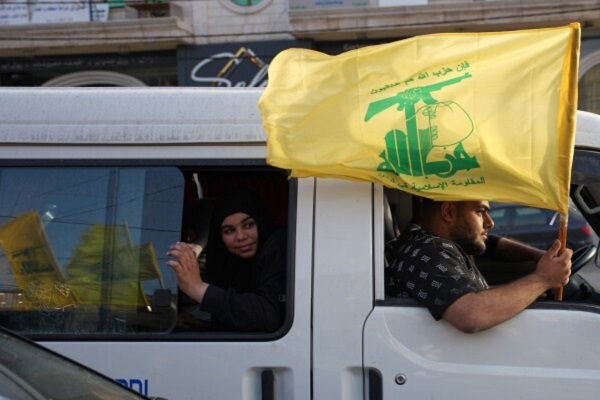
Israel has conducted near-daily airstrikes and ground operations against Hezbollah strongholds following the collapse of a November 2024 ceasefire. Netanyahu confirmed the military continued to strike Hezbollah, adding, "We are, in effect, about to eliminate this great stronghold of Hezbollah" in Bint Jbeil. Reports indicated that Operation Eternal Darkness, a significant Israeli military offensive in April 2026, resulted in over 250 Hezbollah casualties. According to Lebanon's health ministry, over 1,500 people have been killed in Lebanon by Israeli strikes since March 2. Before the April 8 attacks, Lebanese authorities specified that 1,530 people were killed in Israeli strikes since March 2, including at least 129 children. Prime Minister Netanyahu cautioned, "It is too early to say how this matter will end, or even how it will progress," adding that "we are prepared for any scenario."
Escalating Military Actions
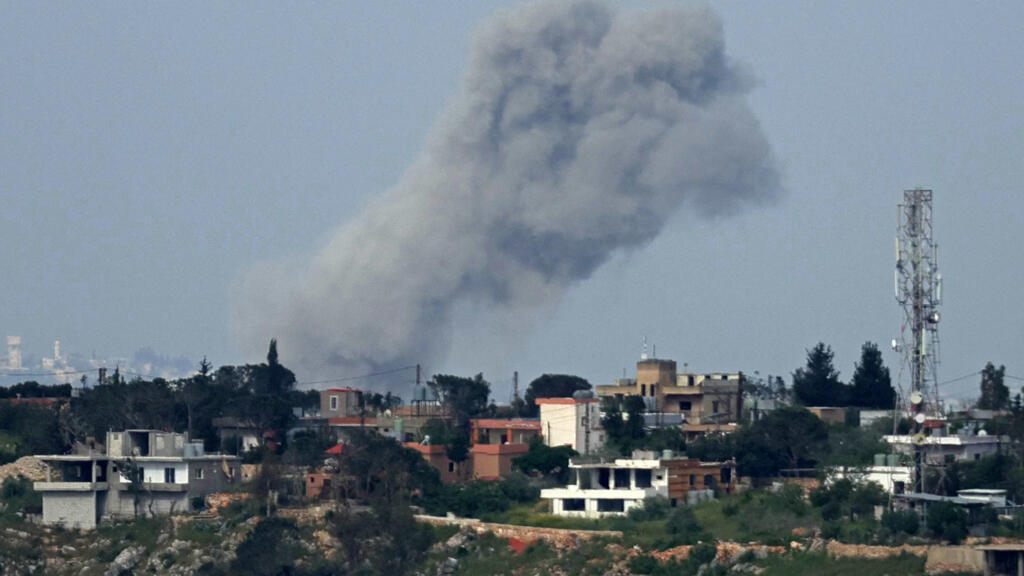
On April 8, Israel conducted its deadliest day of strikes on Lebanon since its operation against Hezbollah commenced over a month prior. The Israeli military confirmed its strikes on April 8 targeted more than 100 sites, encompassing Hezbollah headquarters, military arrays, and command-and-control centers across Beirut, Beqaa, and southern Lebanon. Lebanon's civil defense authorities reported the death toll from these Israeli strikes on April 8 exceeded 250 people. The same strikes also injured hundreds of others, including a dozen medics.
Following these aerial bombardments, Israel launched a ground invasion into southern Lebanon. Israeli forces are currently concentrated on Bint Jbeil, which Prime Minister Benjamin Netanyahu has referred to as the capital of Hezbollah in southern Lebanon. Since March 3, Israel has launched hundreds of strikes on Lebanon. These intensified operations occurred despite an announcement by President Donald Trump of a two-week pause in fighting prior to Israel's April 8 strikes. The Israeli military continued its operations, focusing on key strategic locations.
Hezbollah's Weakened State
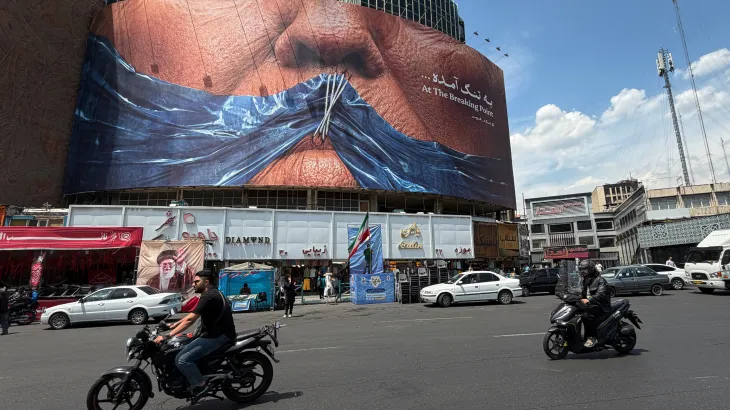
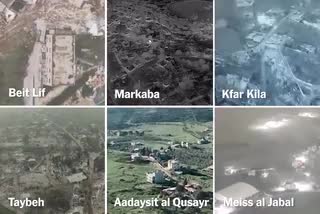
Hezbollah faces a degraded operational capacity, exacerbated by substantial casualties and a diminished rocket arsenal, according to reports. The Israeli military stated it has killed several Hezbollah leaders, destroyed over 300 Hezbollah sites, including weapons depots, and eliminated more than 1,000 Hezbollah fighters since initiating its ground operations. In response to the killing of Iran's former supreme leader, Ali Khamenei, on February 28 in a joint US-Israeli airstrike, Hezbollah attacked Israel. This marked the first time Hezbollah fired at Israel since the U.S.-brokered ceasefire came into effect in November 2024 during the Israel-Hamas war. Since March 3, the Institute of the Study of War has recorded more than 800 strikes against Israel for which Hezbollah claimed responsibility. The Israeli military also announced its intention to indefinitely occupy a large section of southern Lebanon and has commenced destroying homes in villages near the Israeli border. This declaration signals a long-term strategic posture rather than a temporary intervention.
Peace Talks and Withdrawal Outlook
The ongoing military operations and the weakened state of Hezbollah suggest a decreased likelihood of an Israeli withdrawal from Lebanon by April 30, 2026. Peace talks initiated by Israeli Prime Minister Benjamin Netanyahu are expected to include discussions about disarming Hezbollah, according to Reuters. The market for Israel withdrawing from Lebanon by April 30, 2026, is currently priced at 4% "yes," indicating low expectations for such an event. Israel's continued military engagement in Lebanon points to a strategic focus on sustained pressure against Hezbollah rather than an immediate or complete withdrawal from the territory. This sustained presence echoes Israel's previous occupation of southern Lebanon, which lasted from 1982 until 2000. The current actions, including the destruction of homes and the stated intent to occupy a significant section of southern Lebanon, further show this strategic shift toward a prolonged presence.
Regional Impact and Reactions
More than a million people in Lebanon have been displaced over the last month amid escalating tensions. Multiple airlines have canceled flights to Tel Aviv and Beirut over the past two days, reflecting regional instability. Conflict between Israel and Iran-backed Hezbollah in Lebanon reignited after February 28 U.S.-Israeli strikes on Iran, triggering a wider Middle East conflict. Prime Minister Benjamin Netanyahu stated the U.S. Keeps Israel updated, and both countries are aligned on goals regarding Iran's nuclear material, enrichment capabilities, and the Strait of Hormuz. Netanyahu added it is too early to say how the matter with Iran will end or progress, asserting that Israel remains prepared for any scenario should fighting resume. The alignment on strategic goals between the U.S. And Israel regarding Iran's nuclear ambitions and control over critical waterways like the Strait of Hormuz notes the broader regional implications of the current conflict. The ongoing military actions in Lebanon are thus viewed within a larger framework of regional security and geopolitical maneuvering.