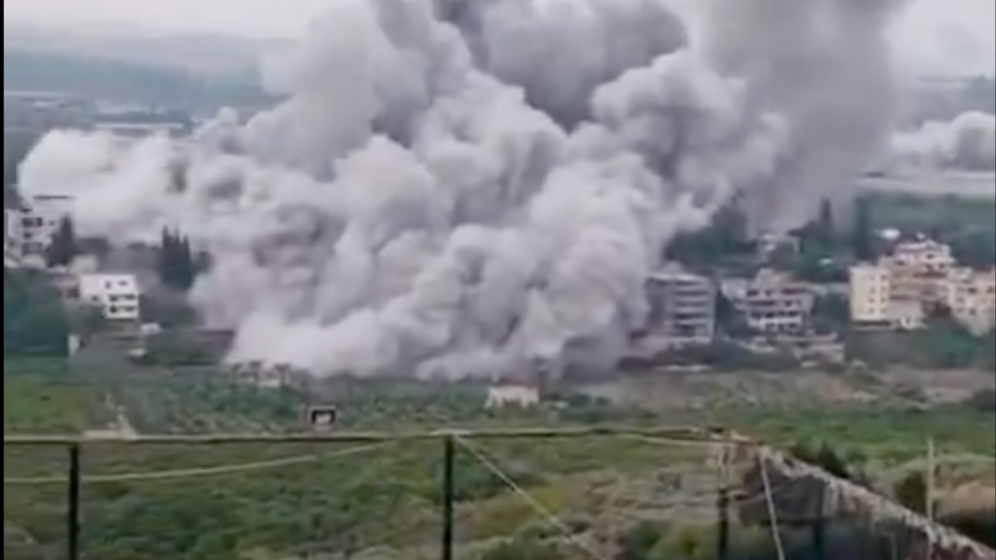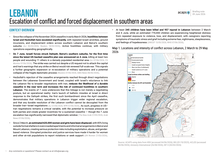
Hostilities between Israel and Hezbollah have escalated significantly since the collapse of the November 2024 ceasefire in early March 2026. This renewed conflict follows a period of relative calm that had offered a brief respite, marking a critical and concerning shift in the security landscape across the Israel-Lebanon border region. The intensity of recent exchanges has rapidly heightened, leading to a deteriorating situation on the ground. This recent escalation has raised profound concerns among international observers about potential wider regional instability and the humanitarian consequences for civilian populations caught in the crossfire. The fragile peace that had been established has now given way to renewed and intensified hostilities, impacting both combatants and non-combatants alike.
Deadly Strikes and Retaliation
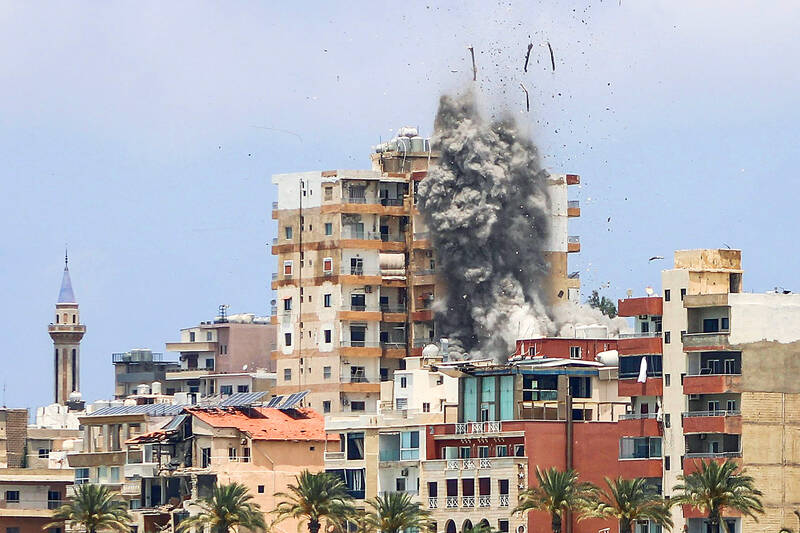
Israeli forces struck Dahiyeh, Beirut’s southern suburbs, on June 7, 2026, marking the first such operation since the US-backed ceasefire plan was announced on June 4, 2026. This strike into a densely populated urban area represented a significant escalation in the conflict. The strike on Dahiyeh killed at least two people and wounded 11 others, according to initial reports from the scene, noting the immediate human cost of the renewed violence. This action followed a period of intense cross-border exchanges between Israel and Hezbollah, with both sides reporting numerous incidents of shelling and aerial attacks. The precision and location of the Dahiyeh strike suggest a deliberate targeting, further fueling the cycle of retaliation and raising fears of deeper military engagements. The international community has been quick to condemn the violence and call for de-escalation, but the immediate response has been further military action.
Humanitarian Crisis Deepens
The humanitarian impact of the renewed conflict has been severe and widespread. Since March 2, 2026, an estimated 620,000 women and girls have been displaced by the ongoing hostilities, forced to abandon their homes and livelihoods in search of safety. The scale of this displacement shows the profound disruption to civilian life in southern Lebanon. Of these displaced individuals, a staggering 85% are residing outside formal shelters, finding precarious refuge in overcrowded apartments and informal arrangements in Beirut and throughout Mount Lebanon. This lack of adequate shelter exacerbates their vulnerability and exposes them to further risks. The period between March 2 and June 4, 2026, also saw significant casualties among children in Lebanon, with at least 245 killed and 957 injured, painting a grim picture of the conflict's toll on the youngest and most vulnerable. Beyond physical harm, an estimated 770,000 children are currently experiencing heightened distress due to repeated exposure to violence, loss, and displacement, according to full humanitarian assessments. The psychological scars of this conflict are expected to last for years, requiring extensive support. Access to essential services such as healthcare, education, and clean water has been severely hampered in affected areas, compounding the crisis.
Context of Escalation
The renewed hostilities between Israel and Hezbollah have significantly impacted southern Lebanon, leading to widespread displacement and profound humanitarian concerns. The current escalation follows a period of relative calm, marking a critical shift in the security landscape across the Israel-Lebanon border region. This recent surge in conflict has amplified concerns among international observers regarding potential wider regional instability, particularly given the involvement of various actors and the escalating humanitarian consequences. The situation continues to evolve rapidly, with numerous international organizations actively monitoring the unfolding crisis. Organizations such as ACAPS, Mercy Corps, UN Women, UNICEF, WHO, UNHCR, OCHA, and IASC Sri Lanka are providing key assessments and attempting to coordinate aid efforts amidst the challenging security environment. Their reports consistently highlight the urgent need for humanitarian access and protection for civilians.
Regional Implications
The reverberations of this conflict extend far beyond the immediate border. Iran launched ballistic missiles at Israel in direct response to the Dahiyeh strikes, marking the first such bombardment since the April 2026 ceasefire. This action notes the broader regional implications of the ongoing hostilities between Israel and Hezbollah and demonstrates the interconnectedness of regional security. The direct exchange between Iran and Israel signals a potential for wider conflict, drawing in additional regional actors beyond the immediate Israel-Lebanon border and increasing the risk of a broader conflagration. International observers continue to monitor the situation closely, expressing profound concern over the escalating tensions and the risk of further destabilization in the Middle East. The direct engagement between these two nations shows the inherent volatility of the current geopolitical climate and the potential for rapid escalation if diplomatic efforts fail to de-escalate the situation. The international community is urgently calling for restraint from all parties to prevent a full-scale regional conflict.