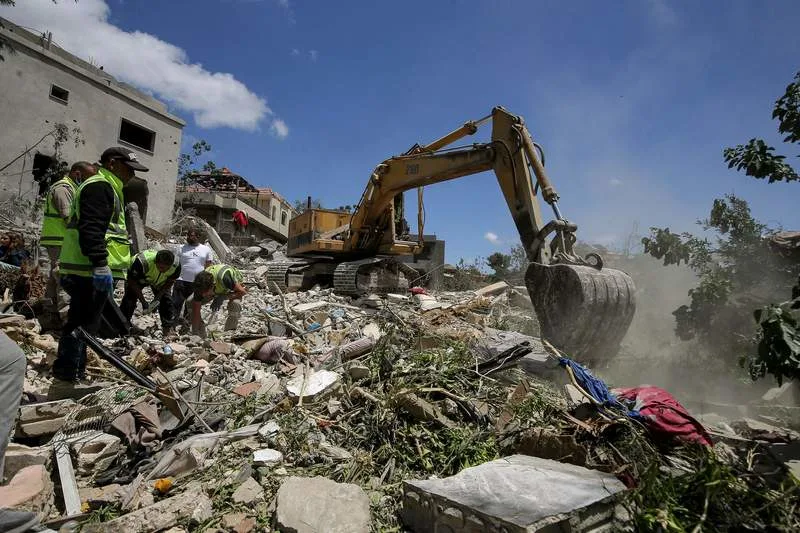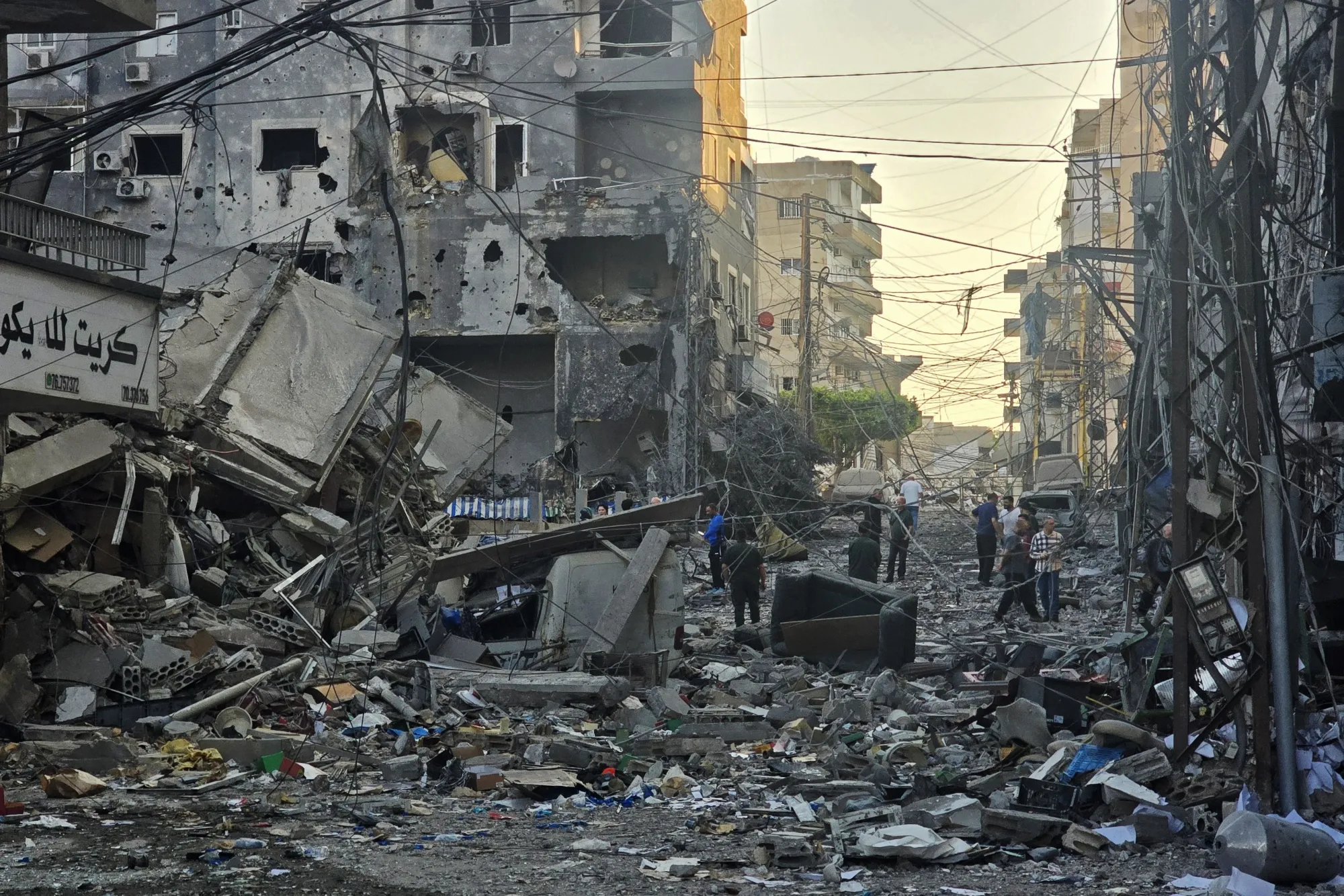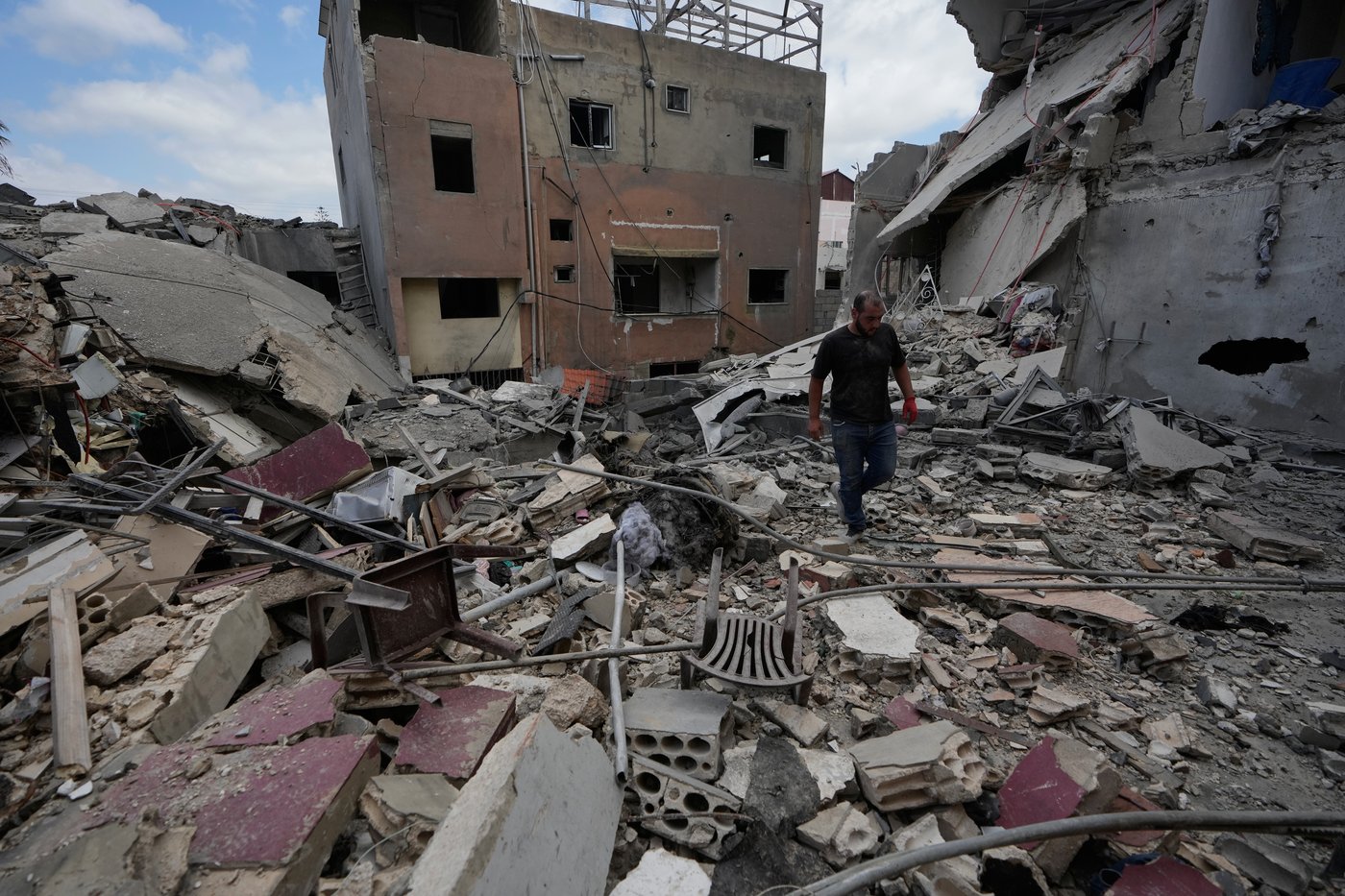
Israel’s military engaged in clashes with Hezbollah on Tuesday along a strategic river in southern Lebanon. The confrontation occurred as strikes intensified in the region, marking a significant escalation in the ongoing hostilities. One such strike impacted the eastern village of Mashghara, resulting in the deaths of 12 people, including several members of a single family, Lebanon’s state-run National News Agency reported. This incident notes the severe human cost of the escalating conflict in the region.
Escalating Overnight Strikes
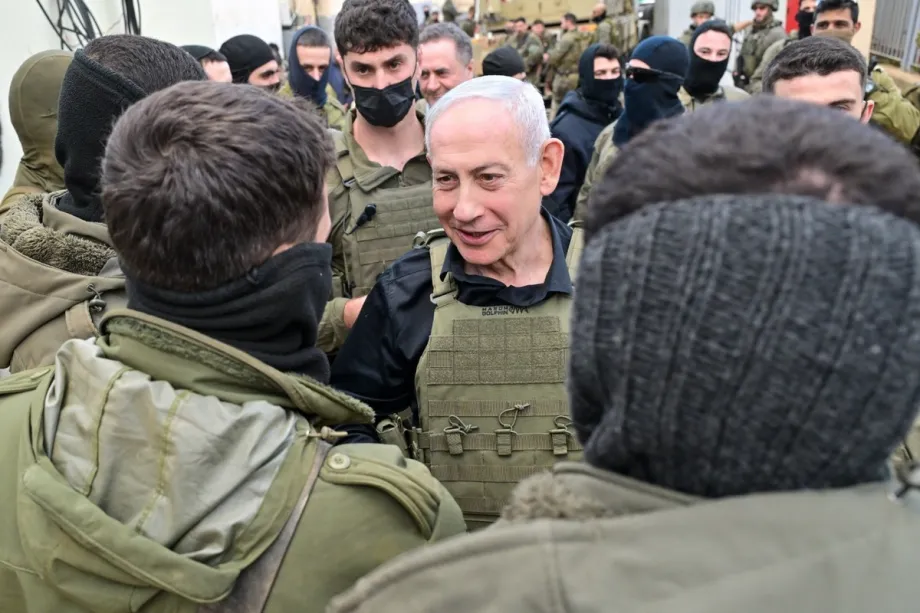
Israel’s Prime Minister Benjamin Netanyahu stated he had authorized more intensive strikes targeting Hezbollah across Lebanon. Netanyahu affirmed, "What this requires of us now is to increase the blows, to increase the intensity. We will smite them hip and thigh," signaling a heightened military response. The declaration from the Israeli leader follows a period of escalating tensions between Israel and Hezbollah, with both sides intensifying their operations. The authorization for more extensive military action comes amidst growing concerns about regional stability and the potential for a broader conflict.
Following this development, an Israeli security official confirmed that the military had called up an additional battalion to Lebanon. This troop movement indicates a potential expansion of ground operations or a reinforcement of existing positions in the northern sector. The deployment aims to bolster Israel's forces amid the ongoing confrontations along the border and within Lebanese territory, preparing for potential further engagements. This call-up shows the serious nature of the current military situation and Israel's preparedness for sustained operations.
Hezbollah's Response and Litani River Significance
Hezbollah announced it launched multiple rocket, artillery, and exploding drone attacks against Israeli troops and vehicles. These actions targeted forces mobilizing along the Litani River in the direction of the Nabatiyeh villages of Yohmor al-Shaqif and Zawtar al-Sharqieh. The group's statement indicated these strikes were in response to the increased intensity of Israeli operations, suggesting a cycle of retaliatory actions. Hezbollah's use of a variety of weaponry, including drones, reflects the evolving tactics in the conflict.
The Litani River holds significant strategic importance in the region, having long functioned as a de facto boundary within Lebanon. Its geographic position frequently places it at the center of military engagements and territorial discussions in the southern part of the country. The current clashes along the river show its strategic importance in the ongoing confrontations between Israeli forces and Hezbollah, serving as a critical line of engagement for both parties. Control and operations along this river are often indicative of the intensity of the conflict.
Broader Conflict Toll
The current conflict escalated after Hezbollah launched rockets into northern Israel on March 2. This initial salvo marked a significant turning point, leading to the sustained exchange of fire that has characterized the recent period. The broader impact of the war has led to significant displacement, with over 1 million people in Lebanon having been displaced from their homes, facing immense humanitarian challenges. In addition, Israeli strikes have resulted in more than 9,600 people wounded, noting the extensive physical toll on the civilian population. Across the border, two civilians have been killed in northern Israel due to the ongoing hostilities, demonstrating the impact of the conflict on both sides. The widespread displacement and casualties show the severe humanitarian crisis unfolding in the region.
Regional Tensions and Reactions
Israel’s military struck more than 100 Hezbollah sites across southern Lebanon and the eastern Bekaa Valley area overnight. These extensive strikes aim to degrade Hezbollah's capabilities and infrastructure. Since the start of the conflict, Israeli strikes have killed at least 3,185 people, according to the Lebanese Health Ministry, indicating a substantial loss of life. The hostilities have also resulted in the deaths of 23 Israeli soldiers and a defense contractor in or near southern Lebanon, reflecting the dangers faced by military personnel and those supporting operations. The continuous exchange of fire and the mounting death toll on both sides illustrate the severe and persistent nature of the conflict.