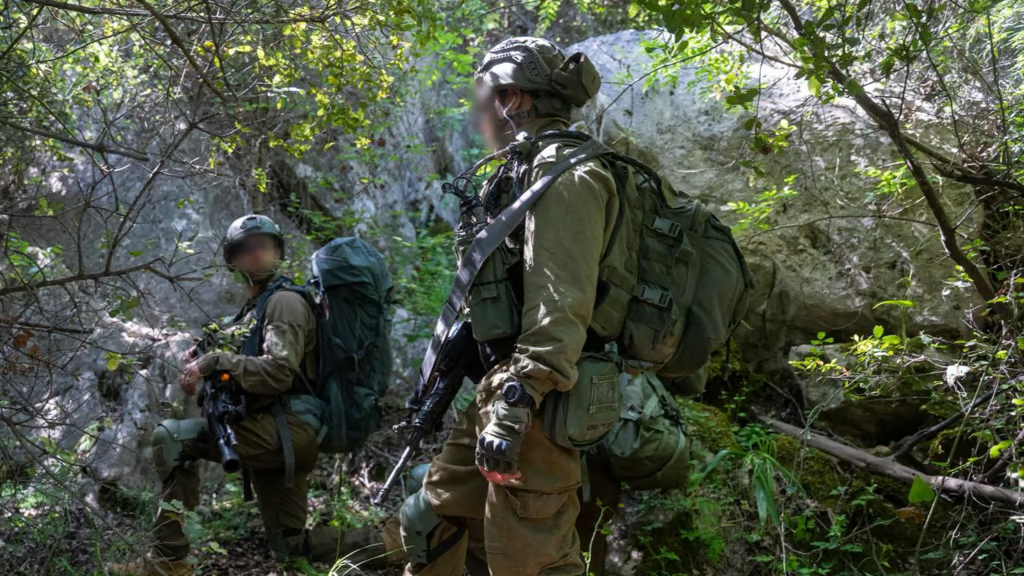
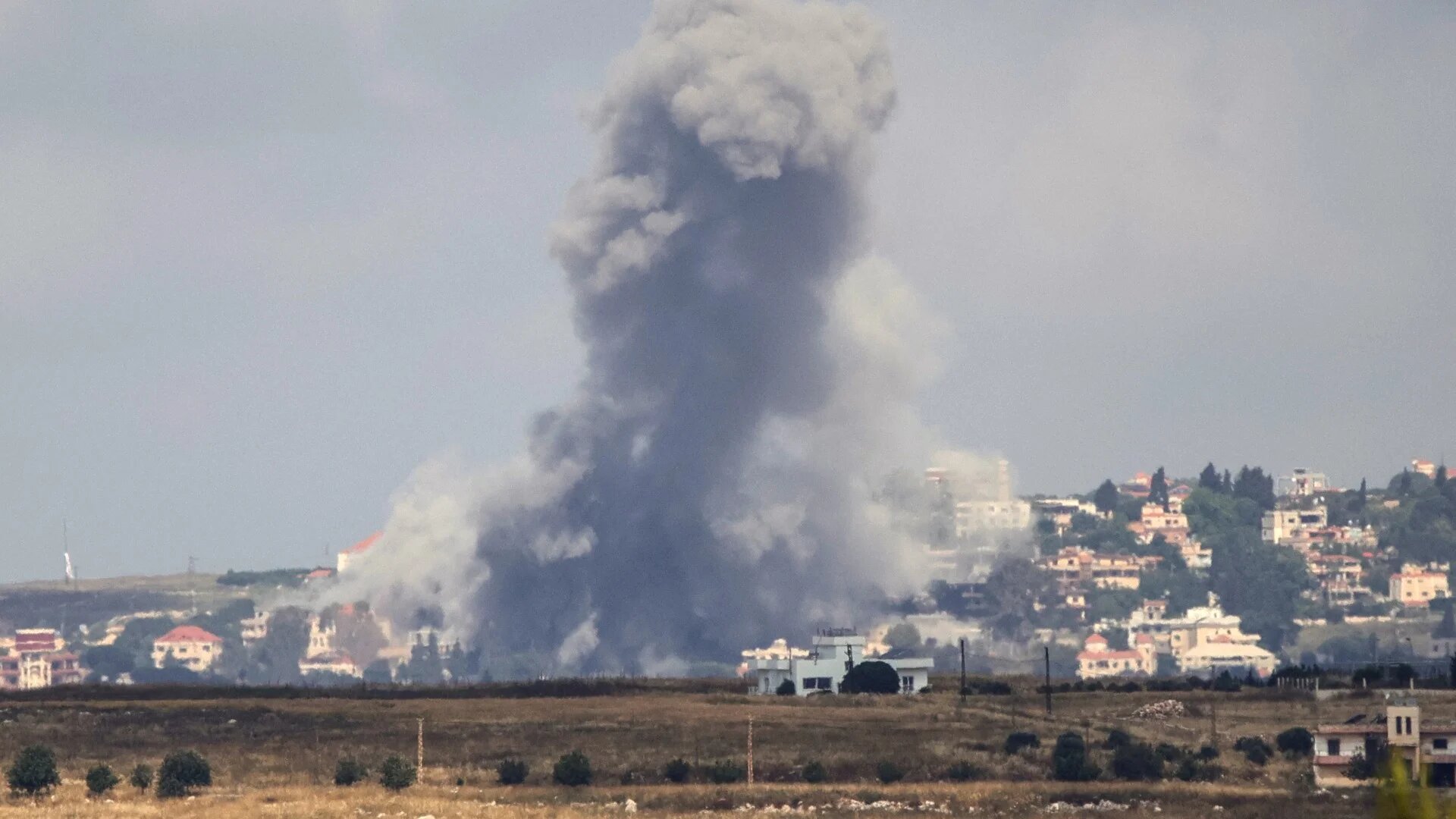
Israeli troops have moved deeper into southern Lebanon, with forces crossing the Litani River, following an announcement by Prime Minister Benjamin Netanyahu on May 31. The expansion of the incursion was triggered by Hezbollah rocket attacks into Israeli territory. Mr. Netanyahu stated his instruction was "to deepen and expand our hold on places that were under Hezbollah's control," signaling a significant shift in military strategy. This directive followed a period of escalating cross-border hostilities, which saw numerous rocket attacks originating from Lebanese territory targeting Israeli communities. The Prime Minister's announcement on May 31 showed Israel's intent to push further into southern Lebanon to counter these threats.
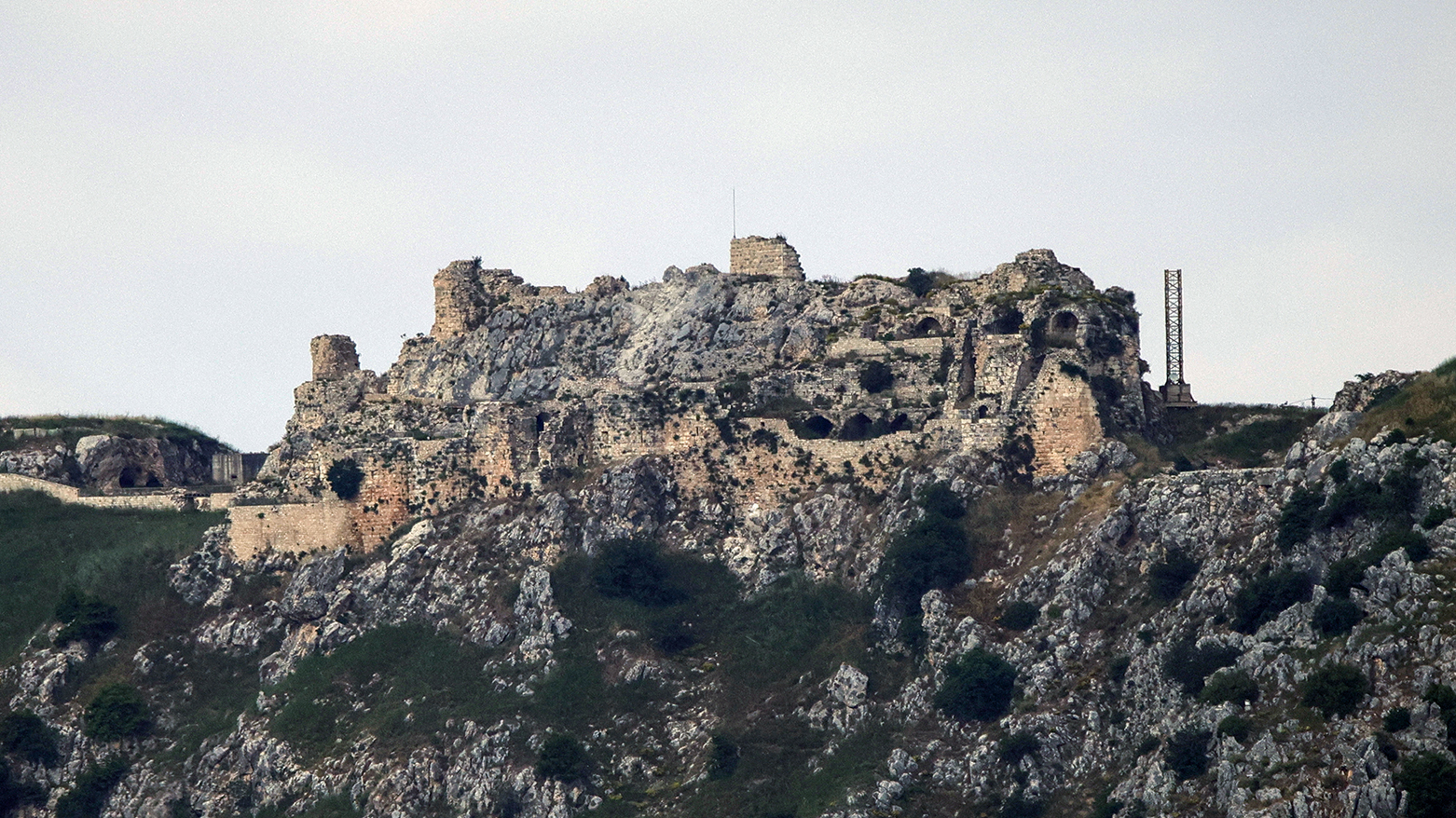
The Prime Minister confirmed that Israeli forces had crossed the Litani River, taken "dominant terrain," and captured the Beaufort ridge. Mr. Netanyahu described the capture of Beaufort as "a dramatic stage and a dramatic change in the policy we are leading." He added that Israel had "broken the barrier of fear," taking the initiative and operating on multiple fronts, including in Syria, Gaza, and Lebanon. The strategic importance of these operations, particularly in Lebanon, was noted by the Prime Minister. Mr. Netanyahu emphasized that security zones beyond Israel's borders had been established to protect Israeli communities, asserting that these actions were necessary for the defense of the nation. The crossing of the Litani River and the securing of key topographical features like the Beaufort ridge are central to this expanded security posture.
Key Locations Captured and Strategic Significance
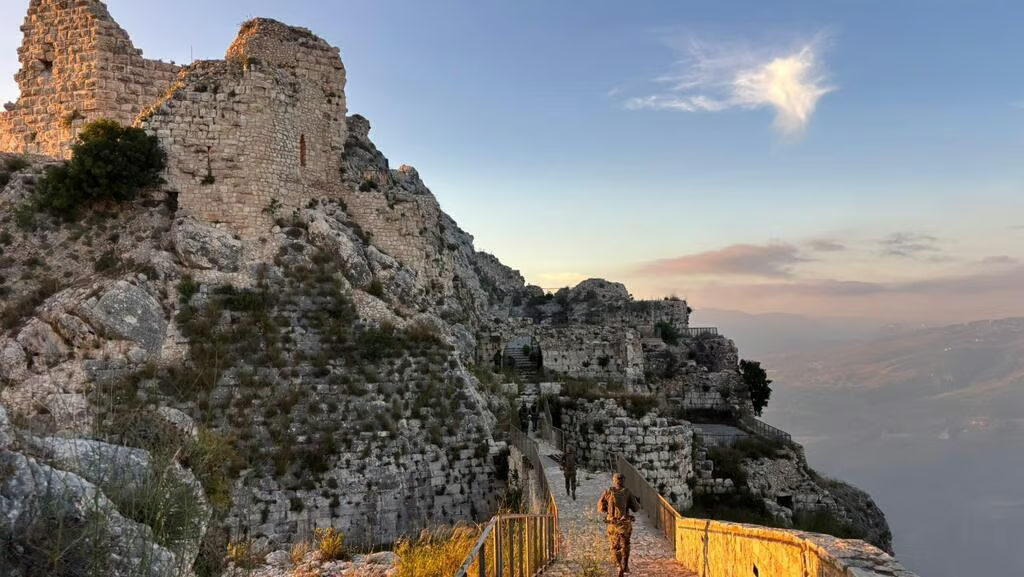
Israeli troops have secured Beaufort Castle, a significant historical site in southern Lebanon. The fortress, which is 900 years old, was among the key locations captured during the ongoing military operation. This advance marks a deeper penetration into Lebanese territory by Israeli forces. The capture of Beaufort Castle, a site of considerable historical and strategic importance, represents a tangible outcome of the expanded incursion. This ancient stronghold, with its commanding views, offers a strategic vantage point in the region, making its control militarily significant. Its seizure by Israeli forces demonstrates the extent of the current military push into southern Lebanon.
The military operation has seen Israeli units cross the Litani River. This waterway, measuring 90 miles in length, represents a substantial geographic feature within Lebanon. The river's basin covers approximately 20% of Lebanon’s total land mass, indicating the scale of the area now impacted by the Israeli presence. The crossing of the Litani River signifies a notable escalation in the conflict, as previous engagements often remained south of this natural barrier. The river's considerable length and the vast area of its basin show the depth of the Israeli advance into Lebanese territory. Control over or access to areas within the Litani River basin could have significant implications for military operations and regional dynamics. Beaufort Castle itself is located roughly 9 miles (14.5 kilometers) from the Israeli-Lebanese border, further illustrating the extent of the incursion. Israel had previously occupied the historic castle from 1982 for nearly two decades before withdrawing in 2000, making its recapture a symbolically and strategically resonant event.
Ceasefire Context and Evacuation Directives
Israel and Lebanon had initially agreed to a 10-day ceasefire in mid-April. This agreement aimed to de-escalate tensions along their shared border. The truce was subsequently extended by an additional three weeks, indicating a prolonged effort to maintain a cessation of hostilities. Later, the ceasefire saw another extension, this time for a period of 45 days, further reflecting ongoing diplomatic attempts to stabilize the region. These successive extensions highlight the fragility of the peace efforts and the persistent challenges in achieving a lasting de-escalation between the two nations. The initial agreement in mid-April provided a brief respite, but the subsequent expansions of the truce showed the deep-seated nature of the conflict and the difficulty in securing a permanent cessation of violence.
Amidst these developments, delegates from Lebanon and Israel are scheduled to convene for talks in Washington on June 2. These discussions are expected to address the current situation and potential future arrangements between the two nations, following the recent military escalations. The upcoming talks in Washington represent a critical diplomatic effort to manage the ongoing crisis and explore pathways toward a more stable future. The timing of these discussions, occurring shortly after the significant military advancements by Israel, adds a layer of urgency and complexity to the diplomatic agenda.
Separately, Israeli forces on Sunday issued an evacuation order for areas located within a 25-mile zone north of the Israel-Lebanon border. The directive instructs residents to leave their homes, signaling a heightened security posture in the vicinity. This order impacts communities situated near the frontier, urging civilians to relocate as military operations continue to unfold in southern Lebanon. The evacuation zone extends a considerable distance into Israeli territory, reflecting concerns about potential retaliatory actions or further escalation. This precautionary measure shows the seriousness of the security situation and the potential for the conflict to broaden, impacting civilian populations on both sides of the border. The 25-mile radius indicates a wide area of concern for Israeli authorities, prompting the displacement of thousands of residents from their homes for safety.
Lebanese Reaction and Humanitarian Toll
Lebanese Prime Minister Nawaf Salam stated on May 30 that Israel was engaged in a "scorched-earth policy" based on "collective punishment" in southern Lebanon. Prime Minister Salam's strong condemnation reflects the deep concern and anger within Lebanon regarding the nature and impact of the Israeli military operations. His statement points to a perception of disproportionate force and a strategy that targets civilian infrastructure and populations. This rhetoric notes the severe deterioration of relations and the profound humanitarian consequences unfolding in the region. The description of Israeli actions as "collective punishment" shows the Lebanese government's view of the conflict's impact on its citizens.
The ongoing conflict has led to significant displacement, with 1.1 million Lebanese, representing roughly 20% of the country's population, having been displaced within the first month of Israel’s military actions against Hezbollah. This mass displacement figure, accounting for one-fifth of Lebanon's total population, illustrates the profound humanitarian crisis gripping the nation. The rapid exodus of such a large number of people from their homes places immense strain on Lebanon's resources and infrastructure, creating urgent needs for shelter, food, and medical aid. The Lebanese Health Ministry has reported a substantial human toll over the past three months. According to the ministry, more than 3,200 people have been killed, and nearly 10,000 individuals have sustained injuries during this period. These figures paint a grim picture of the human cost of the conflict, with thousands of lives lost and many more wounded, placing an enormous burden on Lebanon's healthcare system. The sustained period of three months for these casualty figures indicates the relentless nature of the hostilities and their devastating impact on the civilian population.
Broader Conflict Casualties and Regional Impact
Over the same three-month period that saw significant casualties in Lebanon, 24 Israeli soldiers and four Israeli civilians have been killed. These deaths are part of the broader human toll documented during the ongoing military engagements. The reported figures contribute to the understanding of the conflict's impact on both sides, noting the losses sustained by Israel in its military and civilian populations. The fatalities among Israeli soldiers show the dangers faced by military personnel involved in the operations, while the civilian deaths reflect the risks posed by rocket attacks and other cross-border hostilities. These figures, alongside the extensive Lebanese casualties, illustrate the severe human cost of the protracted conflict in the region. The ongoing violence continues to exact a heavy toll on both nations, exacerbating regional tensions and humanitarian challenges.