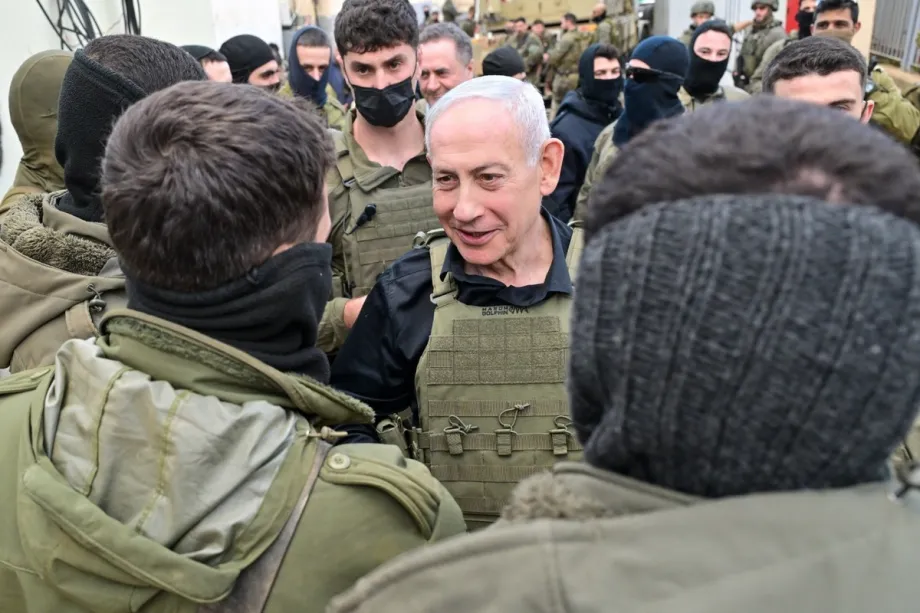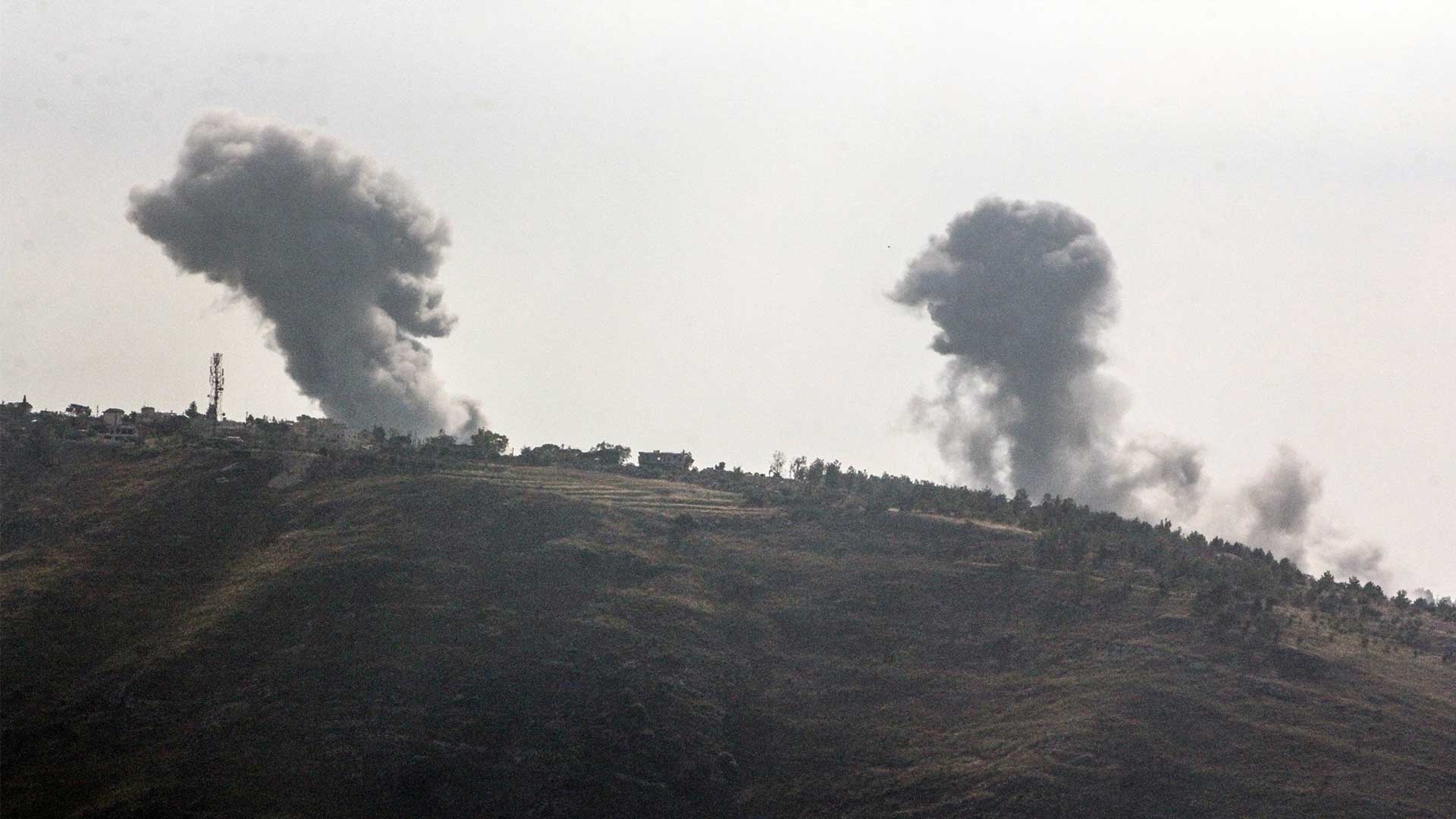
Israeli forces have begun operating beyond the "Yellow Line" in southern Lebanon, an Israeli military official confirmed on Tuesday, signaling an expansion of ground operations inside Lebanese territory. This development marks a significant shift in the ongoing conflict. The "Yellow Line" reportedly runs approximately 10 kilometers (six miles) inside southern Lebanon, delineating an area that has previously served as a de facto operational boundary for Israeli ground forces. An Israeli military official stated, "The IDF is operating in a targeted manner beyond the Forward Defense Line in order to remove direct threats to the citizens of the State of Israel and IDF troops, in accordance with the directives of the political echelon." This statement shows the strategic rationale behind the deepened military engagement.
Escalation Amidst Ongoing Hostilities
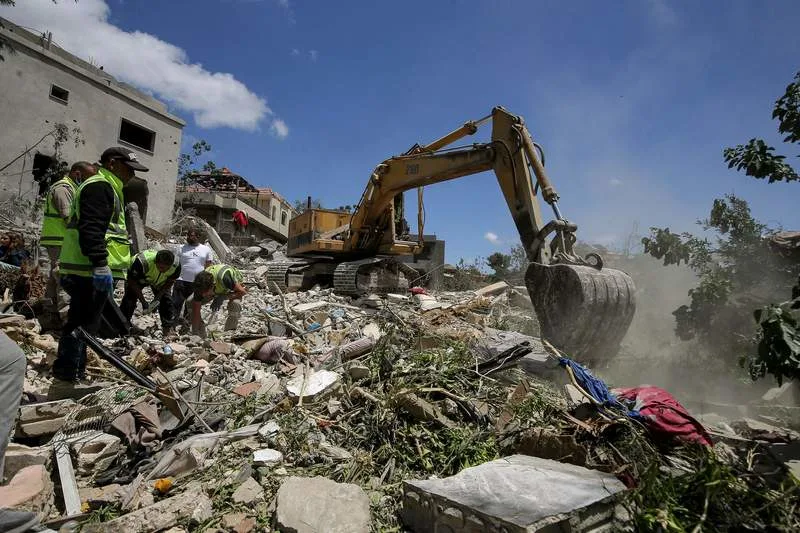
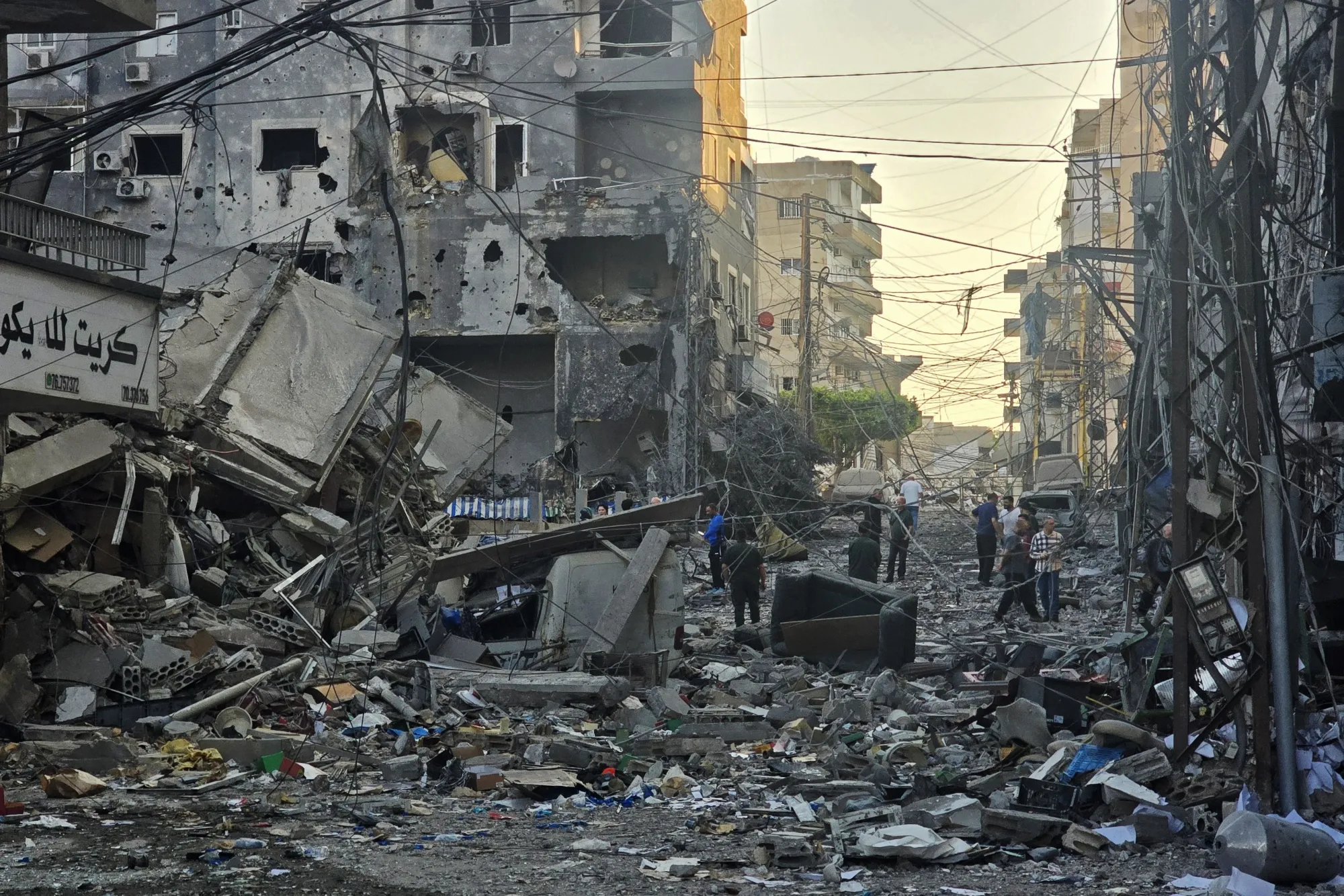
Israeli newspaper Haaretz and news outlet Ynet reported that Israeli forces launched operations north of the Yellow Line to counter threats from Hezbollah’s explosive drones. These operations are part of a broader effort to neutralize perceived dangers originating from within Lebanese territory. Cross-border exchanges of fire between Israel and Hezbollah have continued almost daily despite a ceasefire agreement, maintaining a high level of tension in the region. On Tuesday, several Israeli strikes hit the southern Lebanese city of Nabatieh, following an unprecedented Israeli evacuation warning for the area. The attacks in Nabatieh occurred a day after at least 11 people were reportedly killed in Israeli strikes in eastern Lebanon, noting the intensity of the recent engagements. Hezbollah stated its fighters confronted Israeli troops attempting to advance toward a town overlooking Nabatieh, indicating direct engagement with ground forces and a direct challenge to the Israeli advance.
Context of the Conflict
The conflict between Israel and Hezbollah intensified sharply following the outbreak of the Gaza war in October 2023. This escalation led to months of cross-border fighting, which displaced tens of thousands of civilians on both sides of the border. The displacement occurred prior to an April ceasefire agreement, causing significant humanitarian concerns and disrupting daily life for communities near the border. The ceasefire, however, did not completely halt hostilities, with cross-border exchanges of fire continuing almost daily between Israel and Hezbollah forces. The persistent nature of these exchanges shows the fragility of the ceasefire and the enduring animosity between the two parties. The recent expansion of Israeli ground operations into southern Lebanon beyond the "Yellow Line" reflects ongoing efforts to address perceived threats from Hezbollah and to push back against the group's operational capabilities.
Official Justification and Drone Threats
An Israeli military official clarified the purpose of these operations, stating, "The IDF is operating in a targeted manner beyond the Forward Defense Line in order to remove direct threats to the citizens of the State of Israel and IDF troops, in accordance with the directives of the political echelon." This statement outlines the military's justification for extending its ground presence into Lebanese territory, emphasizing a defensive posture aimed at protecting Israeli citizens and soldiers. The expansion aims to neutralize perceived threats emanating from areas north of the established "Yellow Line," particularly those posed by Hezbollah's explosive drones. Such drone threats have been a significant concern for Israeli security forces, prompting the need for more proactive measures. The decision to operate beyond the Yellow Line suggests a strategic reassessment of how best to counter these sophisticated threats.
Regional Tensions and Ceasefire Dynamics
The "Yellow Line" has served as the operational boundary for Israeli ground forces since a ceasefire between Israel and Hezbollah took effect on April 17. This agreement aimed to de-escalate tensions and limit military engagements in the border region, providing a temporary respite from the intense cross-border fighting that had characterized previous months. Despite the ceasefire, cross-border exchanges of fire have continued almost daily, leading to persistent instability and preventing a full return to normalcy for border communities. The recent expansion of Israeli ground operations beyond this established line indicates a shift in tactics amidst ongoing hostilities, signaling a more assertive approach to security concerns. This development comes as both sides continue to report military actions and counteractions in southern Lebanon, further complicating efforts to achieve lasting peace in the volatile border region.