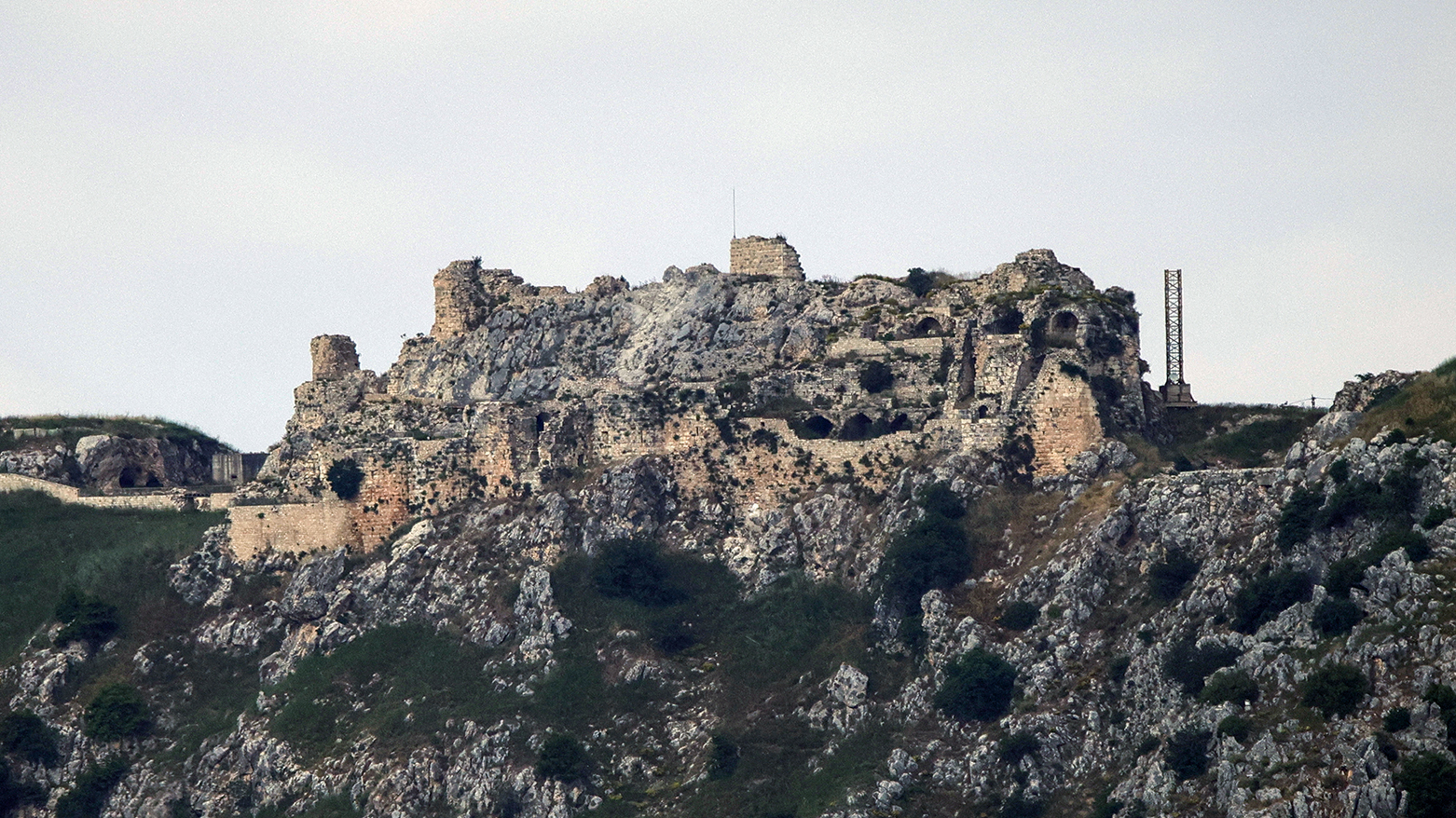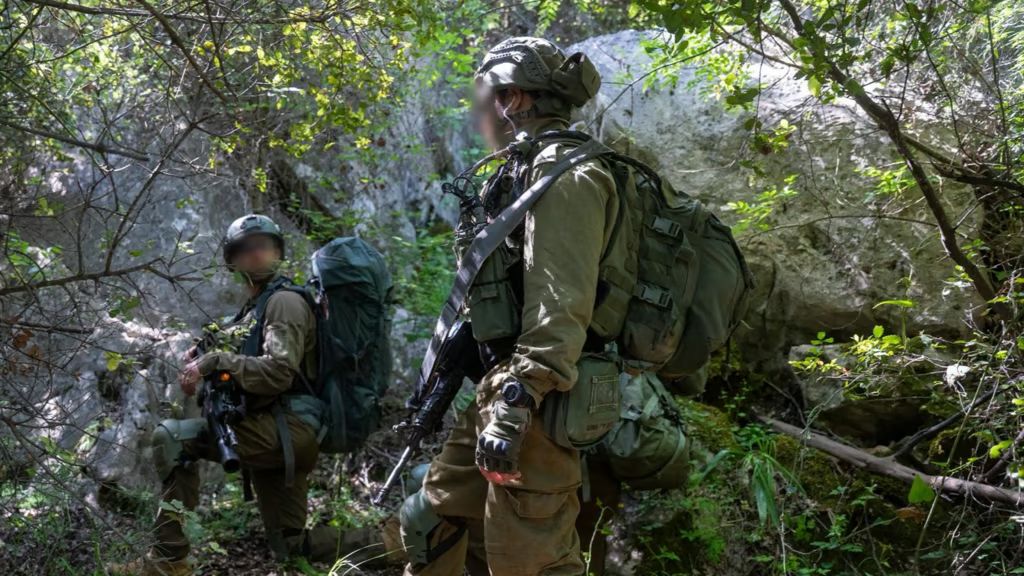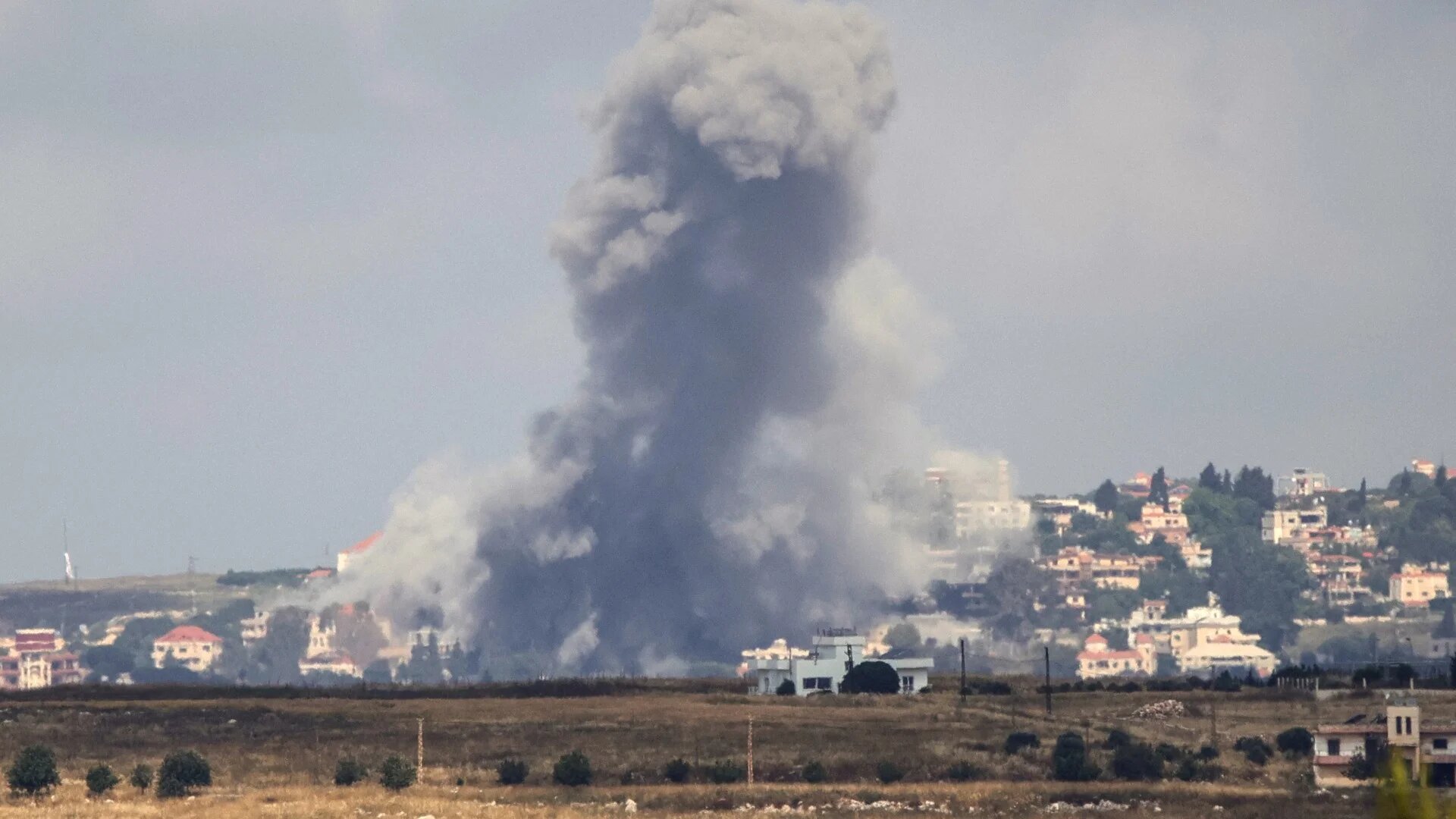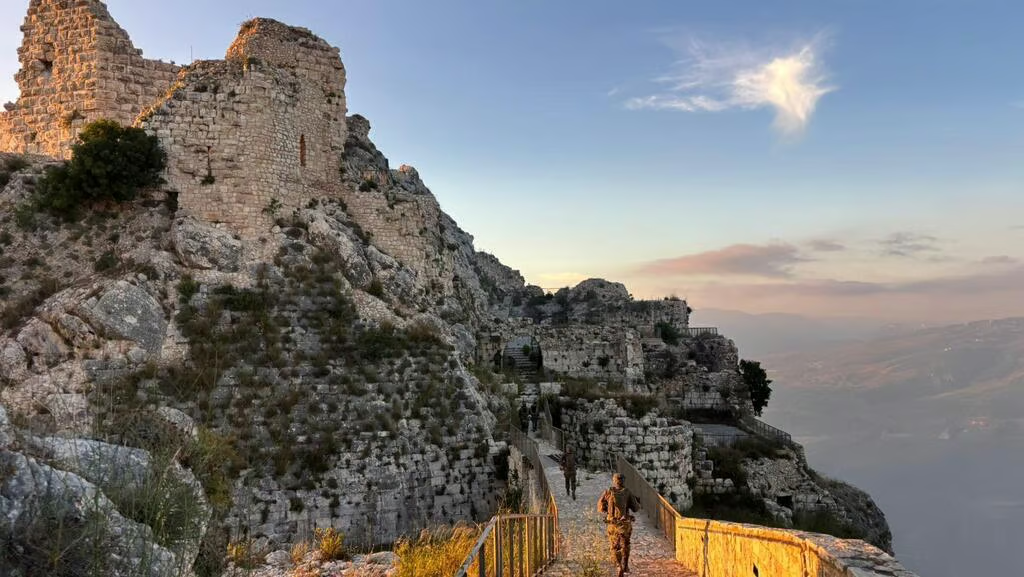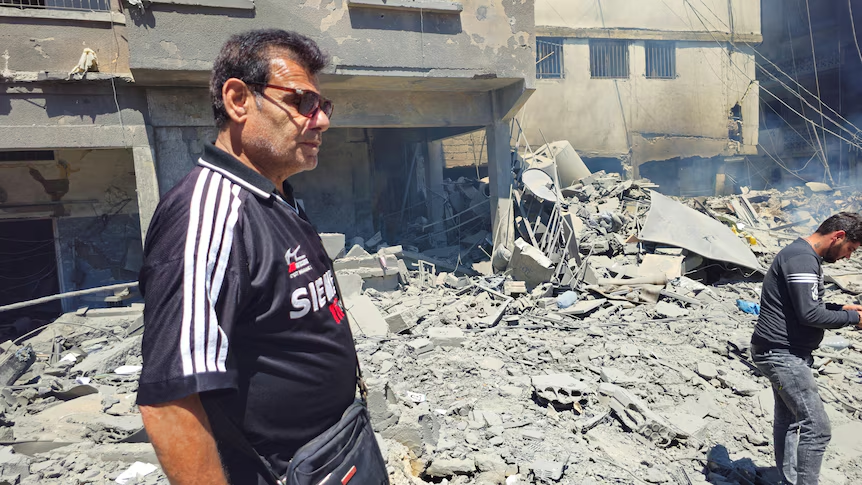
Israeli forces have advanced further into southern Lebanon, marking an expansion of the ongoing ground offensive in the area. The military operation has seen troops push deeper into Lebanese territory, intensifying the conflict in the region. This movement aims to counter perceived threats and secure Israeli border communities. The incursion represents a significant escalation in regional hostilities, with Israeli military objectives clearly focused on establishing a more dominant presence in areas bordering its northern frontier.
Deeper Incursion Into Lebanon
Israeli forces have continued their ground offensive, pushing further into southern Lebanon. The deeper incursion marks an expansion of the ongoing military operations in the region. Troops have advanced beyond previously established lines, extending their presence within Lebanese territory. This strategic movement aims to enhance security measures along the border and address perceived threats emanating from the area. The consistent push deeper into southern Lebanon shows the Israeli military's determination to dismantle infrastructure it deems hostile and to create a buffer zone. This expansion has led to increased military activity across a broader geographical area of southern Lebanon, impacting local dynamics and raising concerns about the potential for wider regional instability.
The intensified ground activities come as part of a broader military campaign. The Israeli government has stated its objective to protect its northern communities. Operations are reportedly targeting specific locations within southern Lebanon. The expanded presence signals a significant escalation in the conflict, with forces now operating in areas not previously subjected to sustained ground incursions during the current offensive. This deeper penetration into Lebanese territory notes a shift in operational scope, moving beyond immediate border areas to target more distant objectives. The tactical decision to extend the ground offensive is a direct response to ongoing security assessments and the perceived need for a more strong military posture.
Netanyahu Directs Expansion
Prime Minister Benjamin Netanyahu has directed Israeli forces to expand their ground offensive against Hezbollah, according to official statements. The directive signals a significant escalation in the ongoing military operations in southern Lebanon. This command from the Prime Minister indicates a strategic decision to intensify pressure on the Iran-backed group within Lebanese territory. The expansion aims to further target Hezbollah's infrastructure and capabilities in the region. The move comes as Israeli forces continue their deeper incursions into southern Lebanon, pushing beyond previously established operational zones. This order from Prime Minister Benjamin Netanyahu shows Israel's intent to broaden the scope of its military actions, indicating a firm resolve to achieve stated security objectives through expanded ground operations. The explicit directive from the highest political authority emphasizes the strategic importance of this offensive phase, directly linking military actions to national security policy.
Background of Invasion
Israeli forces had seized and occupied territory after launching an invasion of Lebanon in March. This initial incursion established a presence that has since expanded. The March invasion marked a significant military action, leading to the occupation of specific areas within Lebanese territory. This development set the stage for the ongoing operations, creating a security zone that Israel maintained control over. The territorial gains from the March invasion provided a strategic foothold for subsequent military actions. The occupation of these areas has been a key component of Israel's broader strategy in the region. This earlier operation contributed to the current operational framework and the continued presence of Israeli troops in southern Lebanon. The initial invasion in March was a key moment, establishing the precedent for sustained military engagement and territorial control. This foundational move allowed for the gradual expansion of operations, culminating in the current deeper ground offensive.