The Israeli army announced in April the establishment of a "yellow line" south of the Litani River in Lebanon, designating the area extending to the border as a "buffer security zone." This strategic declaration in April aimed to delineate a specific area of operational interest. The move follows claims by Yedioth Ahronoth that the expanded incursion aims to prevent Hezbollah fighters from posing a direct threat to Israel. Beyond this defensive objective, Israeli military operations also seek to counter explosive drone attacks originating from the region, which have posed a significant security challenge. The establishment of the "yellow line" was initially presented as a measure to enhance border security and deter cross-border aggressions.
Escalation and Military Objectives
The Israeli army has intensified military operations in southern Lebanon, extending its actions beyond the Litani River and the previously established "yellow line." This escalation signifies a notable shift in the scope of military engagement. Israeli public broadcaster KAN and the newspaper Yedioth Ahronoth reported the increased military activity in recent days, noting the growing intensity of the conflict. This expansion of operations targets areas deeper into Lebanese territory, indicating a more aggressive posture by the Israeli forces. The stated objectives behind these deeper incursions remain focused on national security, particularly in neutralizing perceived threats from Hezbollah. The operational expansion suggests a strategy of pre-emption and disruption against militant infrastructure and personnel within southern Lebanon.
Recent Clashes and Statistics
An Israeli force advanced into the town of Zawtar al-Sharqiya, located north of the Litani River, earlier on Tuesday. This advance into territory beyond the "yellow line" marks a significant development in the ground operations. Clashes ensued, and Hezbollah reported carrying out attacks against the advancing force, indicating direct engagement between the two parties. The intensity of the conflict was further showed by the sheer volume of Israeli military actions; on Tuesday alone, Israel launched 82 attacks on Lebanon. These attacks resulted in the deaths of four people and injuries to four others, reflecting the immediate human cost of the day's hostilities.
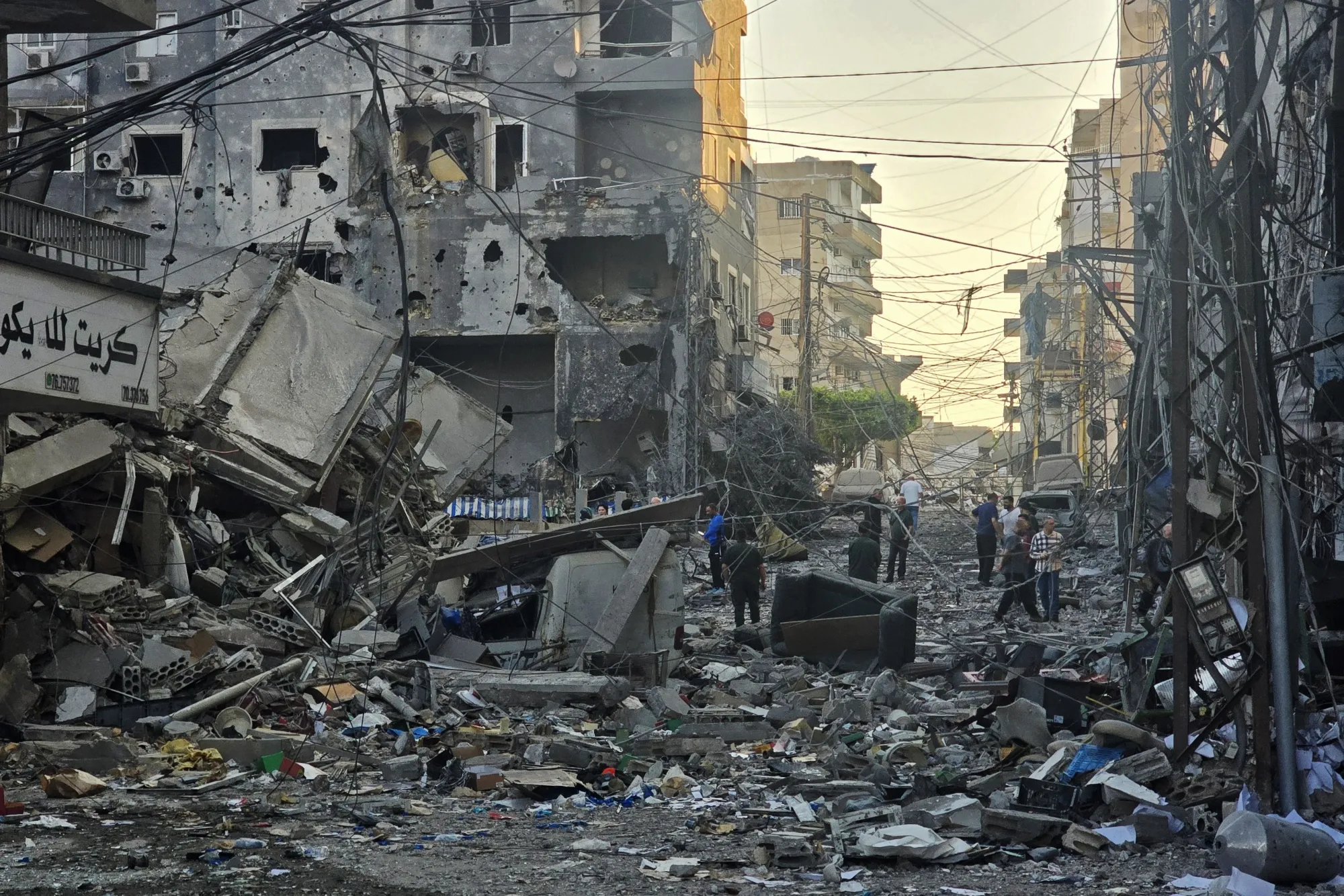
Building on a broader timeline, since March 2, Israel has conducted a large-scale offensive in Lebanon. This offensive has tragically claimed the lives of 3,185 people and injured 9,633 others, painting a grim picture of the conflict's devastating impact on the civilian population. During this current offensive, Israel has advanced approximately 10 kilometers (about 6 miles) into southern Lebanese territory, demonstrating a sustained and deep penetration into the region. This territorial advance indicates a deliberate and significant military push beyond previous operational boundaries.
High-Level Consultations
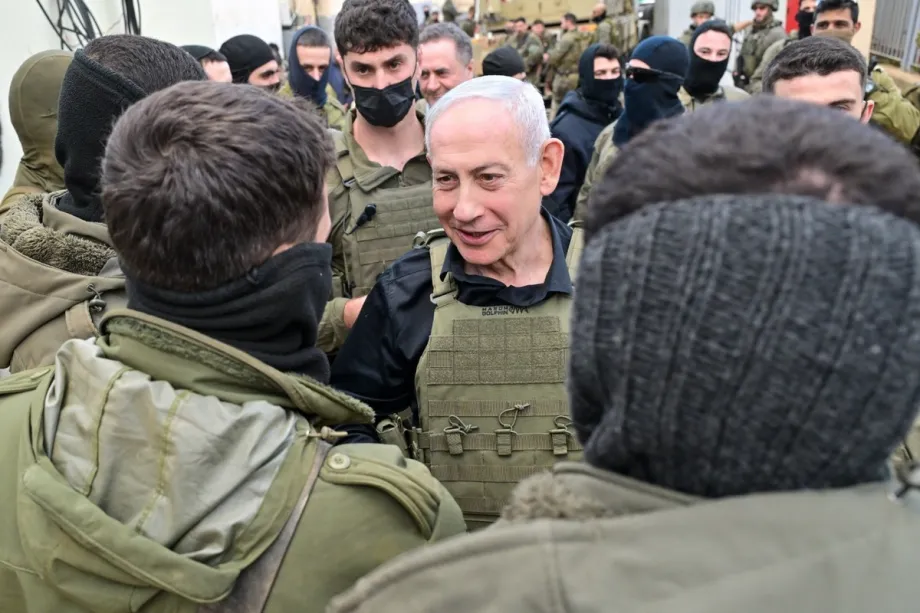
Israel has sharply increased its attacks on Lebanon in recent hours, signaling a rapid acceleration of military engagement. This escalation followed earlier threats by Prime Minister Benjamin Netanyahu to step up strikes against Hezbollah, indicating a premeditated and strategic decision. Netanyahu previously stated his intention to inflict "powerful blows" on the group, a rhetoric that now appears to be translating into intensified military action. Earlier on Tuesday, Prime Minister Benjamin Netanyahu held a security consultation meeting to address the evolving situation. The meeting included key defense officials such as Defense Minister Israel Katz and Chief of Staff Eyal Zamir. This high-level consultation occurred amid the intensified military actions in southern Lebanon, showing the gravity of the situation and the strategic importance placed on these operations by the Israeli leadership. Such meetings are key for coordinating military strategy and assessing the ongoing security landscape.
Humanitarian Impact
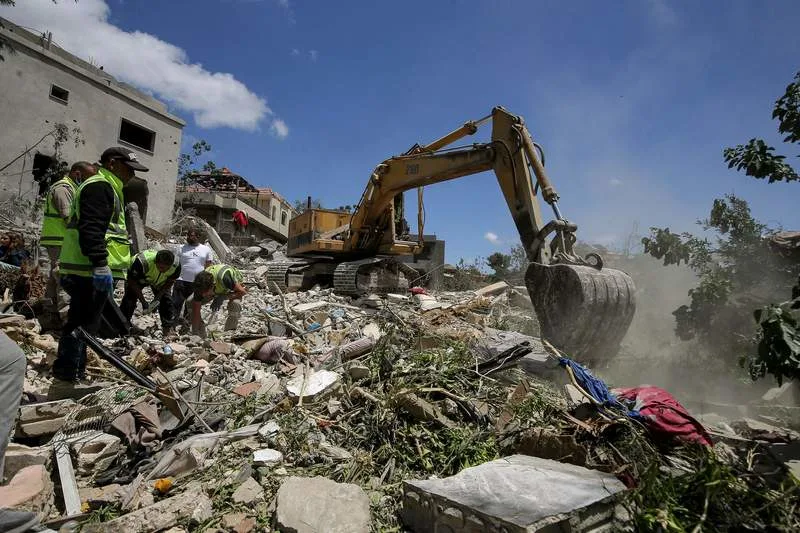
The ongoing Israeli offensive has resulted in a severe humanitarian crisis, leading to the displacement of over 1 million people in Lebanon. This massive displacement notes the profound and widespread impact of the conflict on civilian populations. The large-scale military actions have forced a significant portion of the population from their homes, disrupting livelihoods and creating urgent needs for shelter, food, and medical assistance. The displacements show the broad and devastating impact of the conflict on civilian populations, creating immense pressure on humanitarian organizations and local infrastructure. The sheer number of displaced individuals points to a critical situation requiring immediate attention and aid.