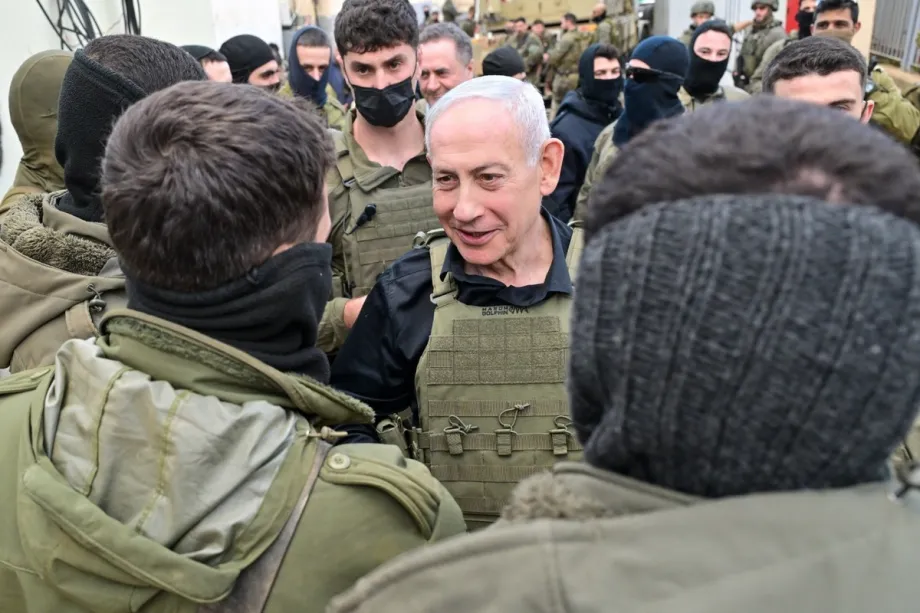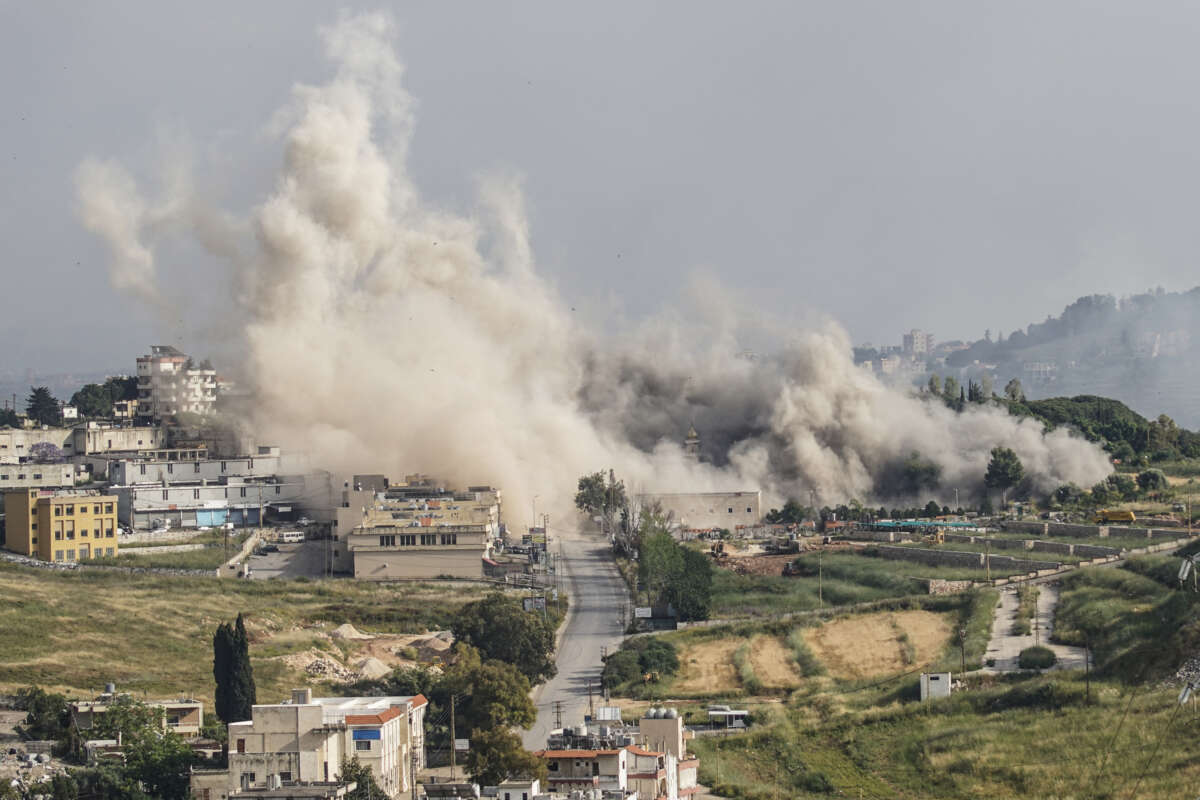
Israel expanded its strikes and ground operations in Lebanon on Monday and Tuesday, as U.S. Negotiations with Iran reached a standstill. The escalation marks a significant development following a period of intense diplomatic activity and intermittent military engagements. Israeli Prime Minister Netanyahu stated on Tuesday that Israel had “large forces on the ground” in Southern Lebanon and was taking control of “strategic areas.” This assertion by the Israeli leader showed the increased scope and intensity of the military's presence in the region. Concurrently, Israel issued an evacuation warning for the city of Nabatieh, located north of the Litani river, on Tuesday, advising residents to leave the area for their safety. The broader context of these operations is the ongoing halt in U.S. Negotiations with Iran, which has added another layer of complexity to the already volatile regional dynamics.
Escalation Details and Impact
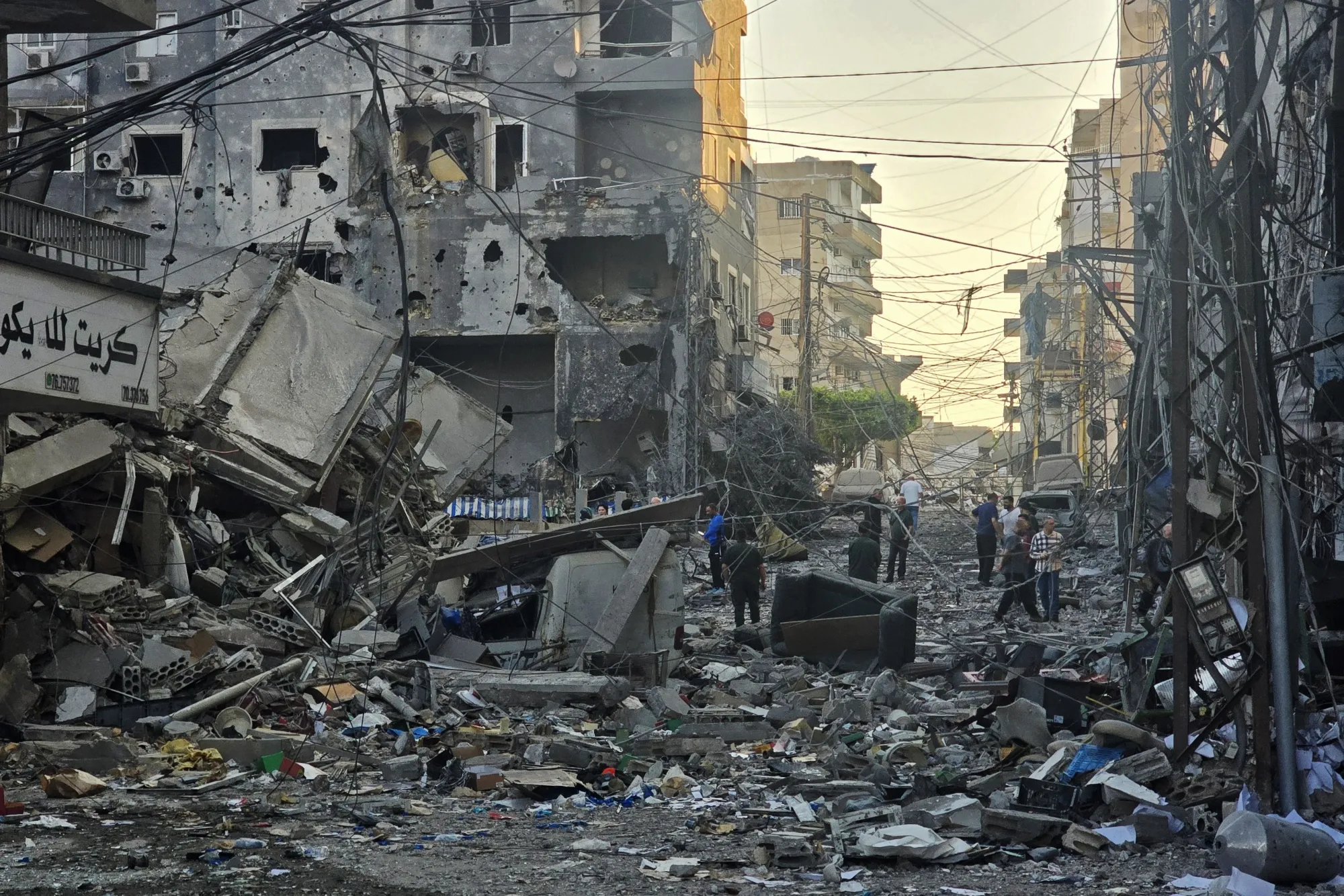
Overnight on Monday, Israel conducted bombing operations in Southern Lebanon and extended its strikes to the Bekaa Valley in Eastern Lebanon. These aerial assaults targeted various locations, signaling an expansion beyond previously concentrated areas of operation. Concurrently, Israel expanded its ground operation beyond the previously defined "yellow line" in the region. This move indicates a deeper penetration into Lebanese territory than had been observed in recent engagements, suggesting a more aggressive posture by Israeli forces.
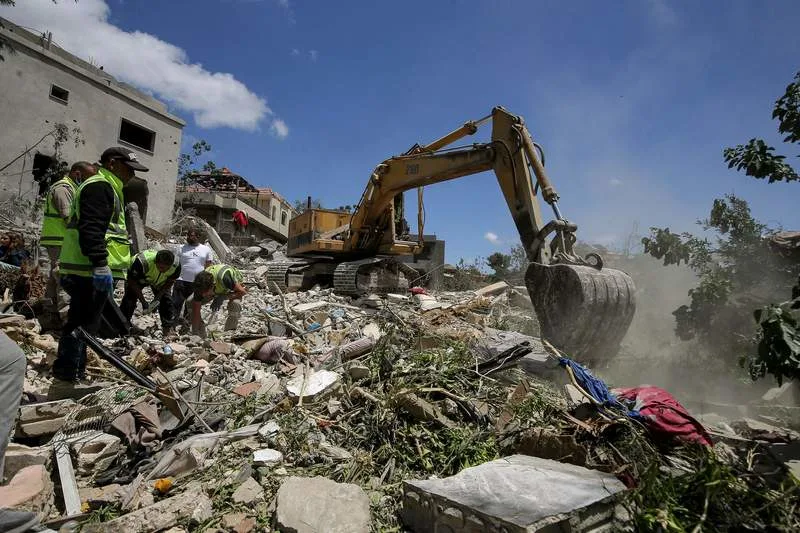
The Israeli strikes in the Bekaa region on Monday night resulted in the deaths of 11 individuals in the village of Mashghara. Among those killed were two children, a tragic outcome that has drawn international attention to the human cost of the conflict. The Israeli military claimed that they had targeted "Hezbollah infrastructure sites" in Mashghara, asserting that their operations were aimed at militant assets. As these actions unfolded, residents began fleeing the southern suburbs of Beirut on Monday, anticipating potential additional attacks on the Lebanese capital. The movement of civilians from densely populated areas reflected widespread fear and uncertainty regarding the potential for further escalation and the safety of urban centers.
Context of Talks and Ceasefires
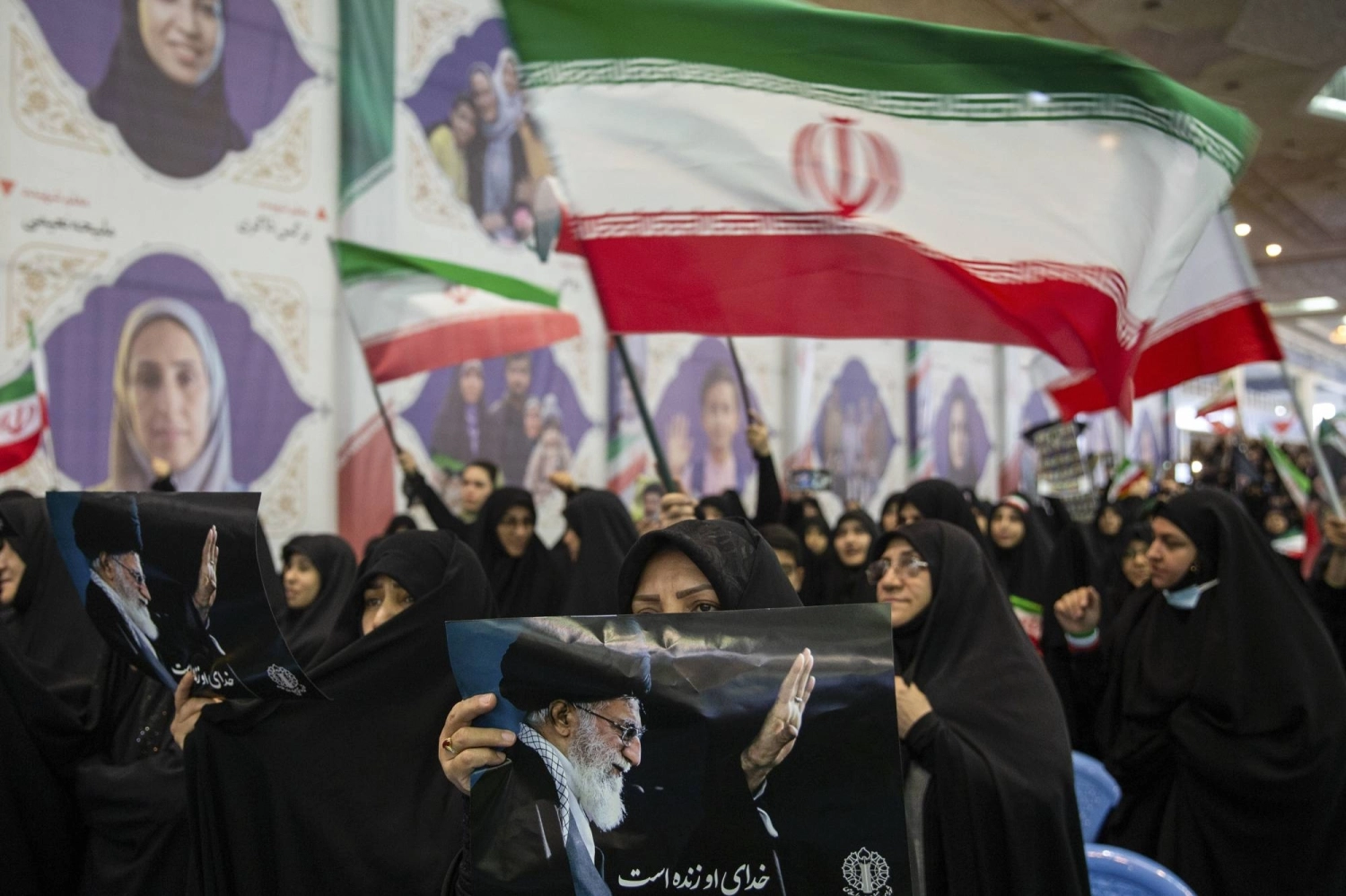
The recent escalation occurs despite earlier diplomatic efforts to de-escalate tensions. Israel and Lebanon had reached an agreement on May 15 to extend a ceasefire for 45 days, an arrangement that had offered a brief respite from hostilities. However, prior to this, Israel launched significant attacks on Lebanon on April 8, which resulted in the deaths of at least 357 people, noting the fragile nature of previous agreements and the potential for rapid deterioration of the security situation. The ongoing diplomatic efforts surrounding a broader regional agreement have also noted a key disagreement that continues to impede progress. Iran has consistently maintained that any deal must incorporate Lebanon, according to reports, viewing Lebanon's inclusion as essential for a full regional resolution. Conversely, Israel has insisted that Lebanon should not be included in such negotiations, preferring to address Lebanese issues separately or through different channels.
Amid these developments, the Trump administration has indicated its support for expanded Israeli attacks on Lebanon. This support is contingent on the condition that these operations do not target the capital city of Beirut, as reported by sources familiar with the administration's stance. This conditional backing shows the delicate balance the U.S. Seeks to maintain in the region, aiming to support its ally while preventing a wider regional conflagration that could destabilize major urban centers. The differing positions on Lebanon's inclusion in regional talks and the conditional backing for Israeli military actions show the complex diplomatic landscape. The recent escalation of Israeli operations follows a period marked by both temporary ceasefires and significant military engagements, illustrating the persistent challenges in achieving lasting peace and stability.
Analysis and Potential Motives
Israeli Prime Minister Netanyahu stated late on Monday that he had ordered the Israeli military to “increase the blows” and “increase the intensity” in its attacks on Lebanon. This directive from the highest level of Israeli leadership signaled a deliberate decision to escalate military pressure on Lebanese targets. The Israeli military claimed they had targeted "Hezbollah infrastructure sites" in Mashghara, suggesting that their operations were precision strikes aimed at specific militant capabilities. This claim followed an incident in that village where 11 individuals, including two children, were killed, raising questions about the precision and impact of such operations on civilian populations.
United Nations forces in Lebanon reported significant activity on Monday, documenting 91 airspace violations. These violations, often involving Israeli aircraft, contribute to the heightened tension and risk of miscalculation in the region. Their records also attributed 399 firing incidents to Israeli forces, indicating a high volume of Israeli military action. Concurrently, UN forces noted 11 trajectories of projectiles attributed to Hezbollah during the same period, confirming retaliatory actions from the Lebanese side. These reports provide a snapshot of the intense military exchanges occurring in the region, illustrating the continuous cycle of action and reaction that characterizes the current conflict. The detailed accounting by UN forces offers key insights into the scale and nature of the military activities from all parties involved.