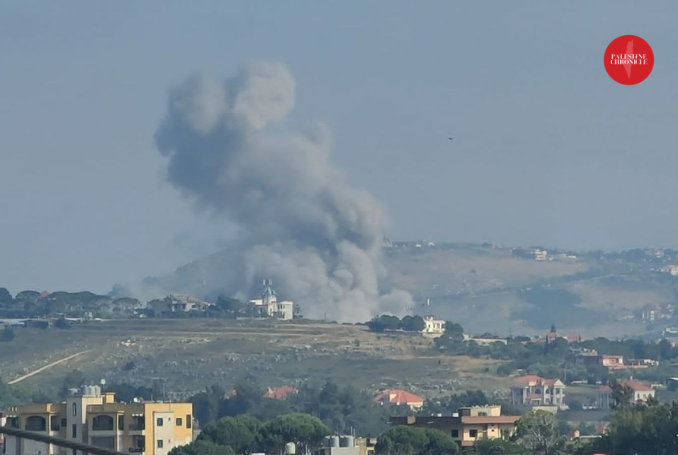
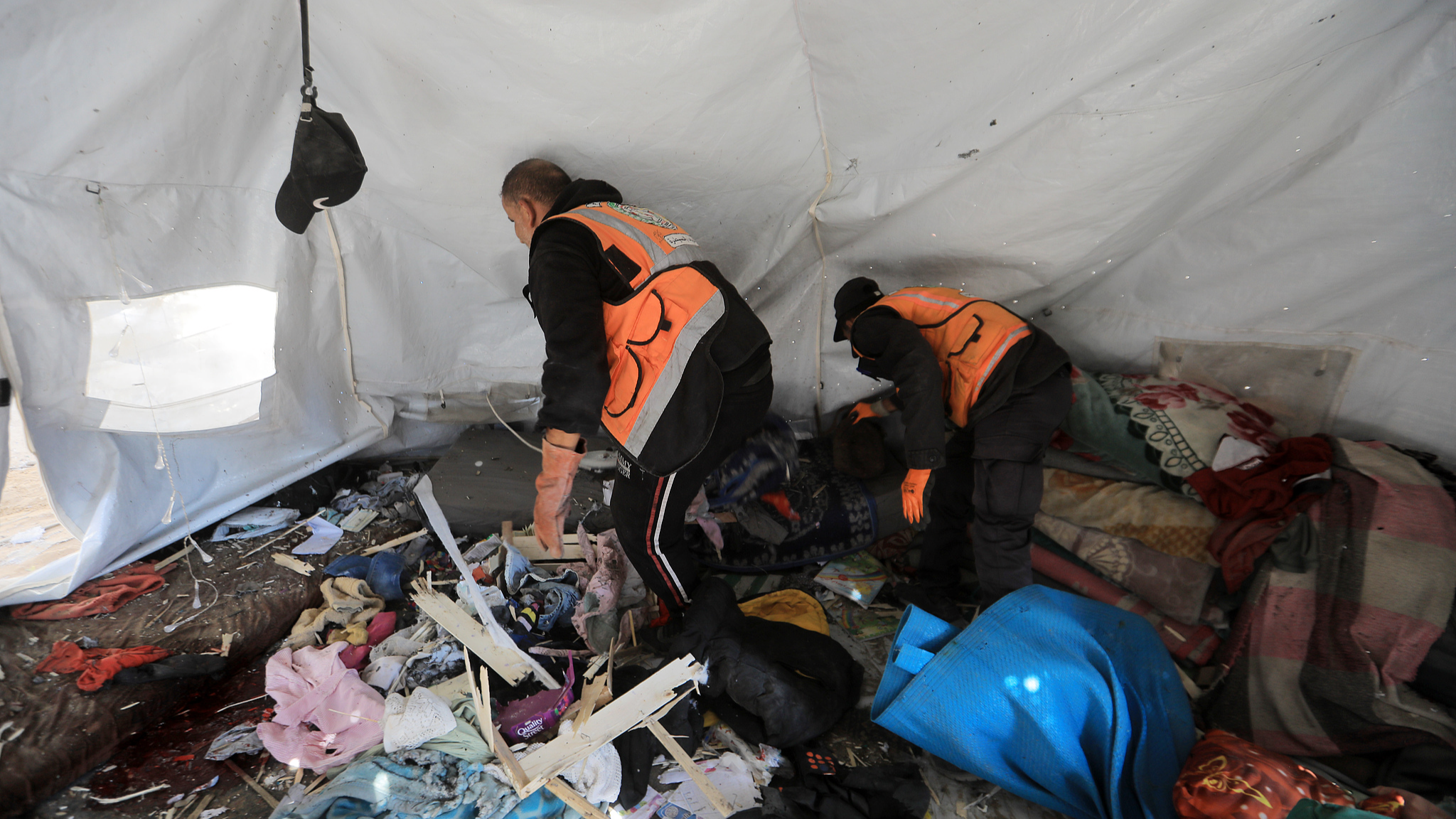
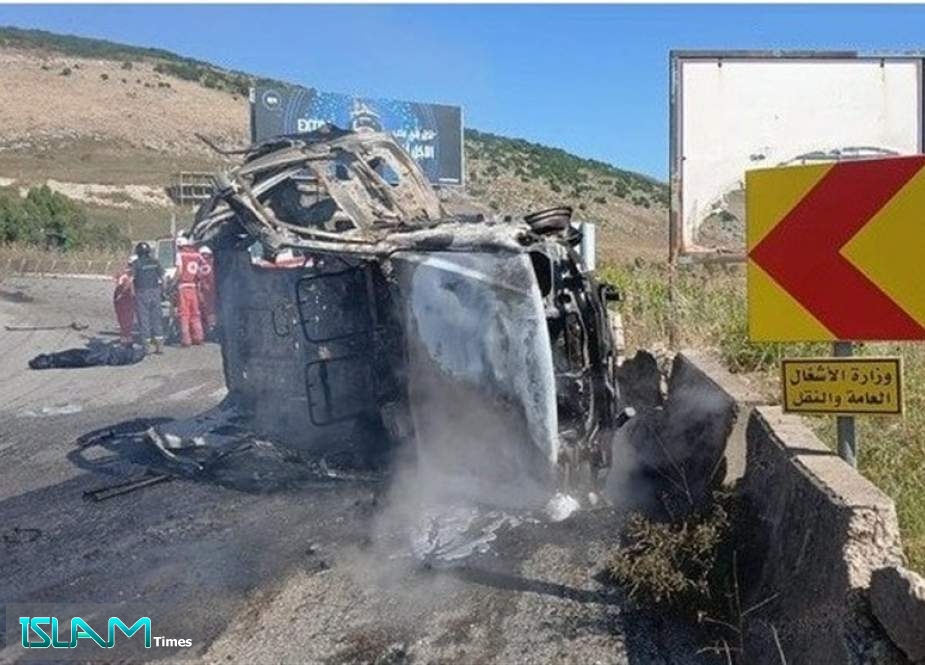
Lebanese journalist Amal Khalil was reportedly injured and bleeding inside a building that had been leveled by an Israeli airstrike, according to a recent claim. This incident, which left the structure extensively damaged, occurred under circumstances that have drawn significant attention. During a critical period when Ms. Khalil was still alive following the attack and in urgent need of medical attention, Israel's military is alleged to have denied rescuers access to the site where she was located. The claim states that this denial directly prevented timely assistance from reaching the injured journalist, potentially impacting her chances of survival. The report shows the severe challenges faced by emergency personnel in conflict zones.
Rescue Attempt Blocked
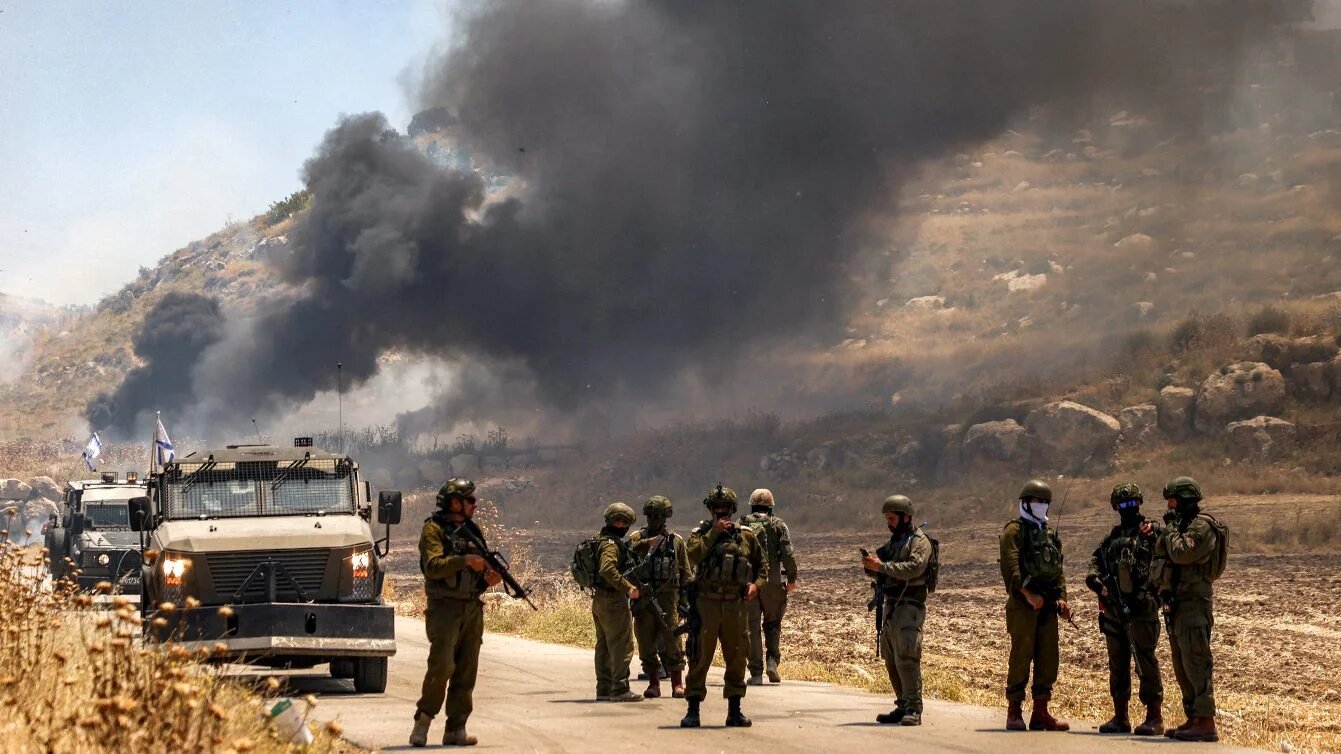
On April 22, rescuers tasked with reaching Amal Khalil reportedly waited five miles away from her location for two hours. This significant delay occurred during the critical period after the Israeli airstrike, when Ms. Khalil was still alive and in dire need of immediate assistance. The alleged denial of access by the Israeli military meant that those attempting to reach her could not immediately proceed to the site where she was trapped. This restriction on movement for emergency teams meant valuable time was lost. Observers noted that the inability of rescue teams to advance during this key window significantly impacted the potential for a timely intervention for the injured journalist. The specific circumstances surrounding the two-hour wait and the directives given to the rescue teams remain central to the claims made regarding the incident, raising questions about adherence to international protocols concerning humanitarian access. The report notes the difficult decisions and operational constraints faced by rescue personnel when confronted with such alleged blockages in active conflict areas.
Journalist's Identity and Work
Amal Khalil was identified as a correspondent for the daily Lebanese newspaper Al-Akhbar. Her role involved reporting for the publication, which is based in Beirut, Lebanon, a major media hub in the region. As a correspondent, Ms. Khalil was responsible for gathering and disseminating news, often from challenging environments. The nature of her work meant she was engaged in journalistic activities when the incident occurred, fulfilling her professional duties to inform the public. Her presence in the area was consistent with her role as a reporter for a prominent Lebanese newspaper. The incident has thus also brought into focus the risks inherent in reporting from areas affected by military operations.
Broader Implications
The alleged denial of access to Amal Khalil, a journalist for Lebanon's Al-Akhbar newspaper, raises serious concerns regarding the safety of media personnel operating in conflict zones. Incidents involving the targeting or obstruction of journalists often draw sharp criticism from international press freedom organizations and human rights advocates. Such actions can severely hinder the ability of reporters to document events independently and inform the public about ongoing conflicts, thereby impacting the transparency and accountability of operations. The case involving Ms. Khalil, who was reportedly injured and bleeding after an Israeli airstrike, notes the profound risks journalists face in the line of duty and the significant challenges rescue operations encounter under such circumstances. The incident serves as a stark reminder of the protections afforded to journalists under international humanitarian law and the imperative for all parties to a conflict to respect these provisions, ensuring safe passage and access for aid workers and emergency responders. The outcome of the investigation into these claims will be closely watched by media organizations worldwide.