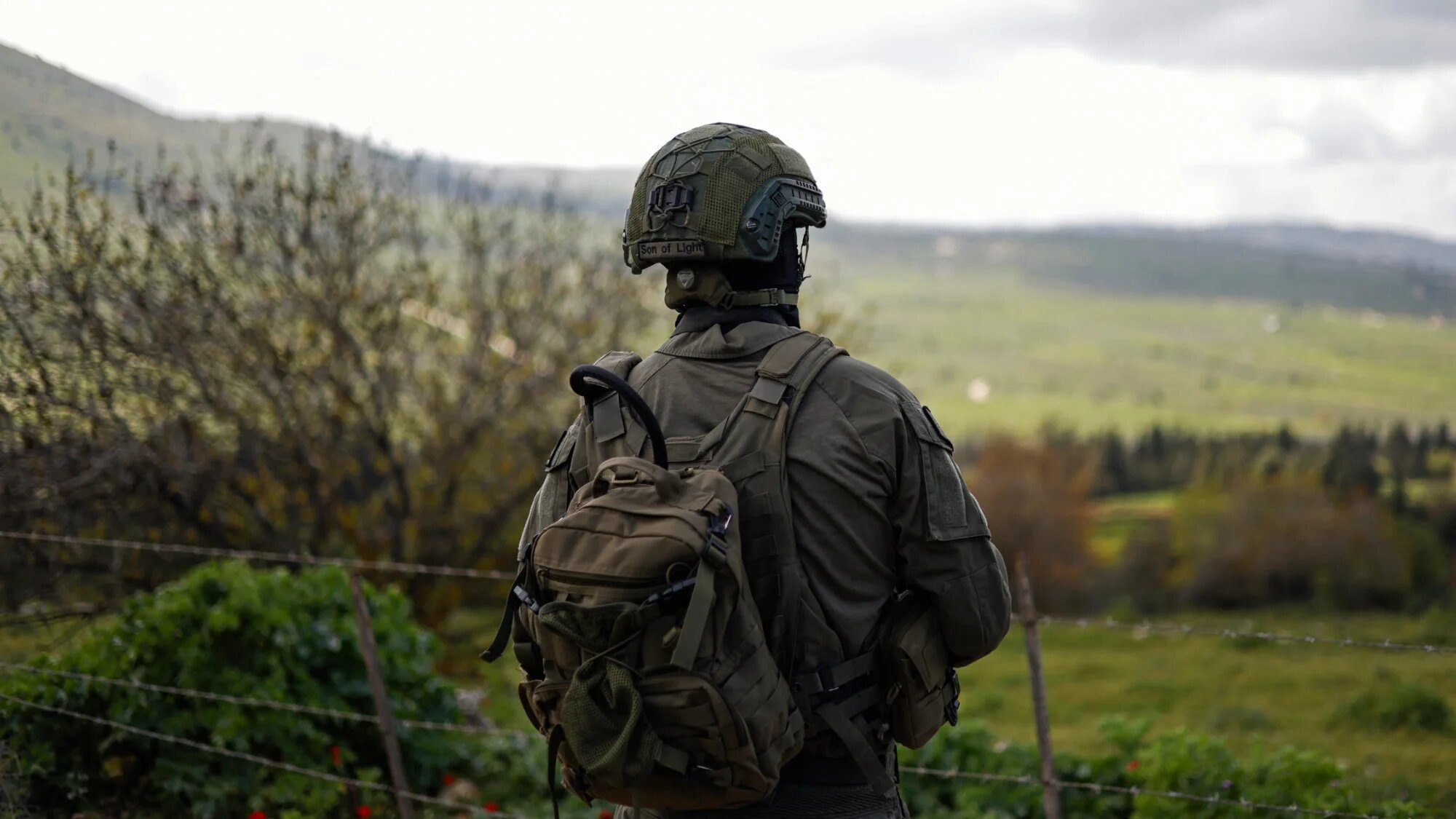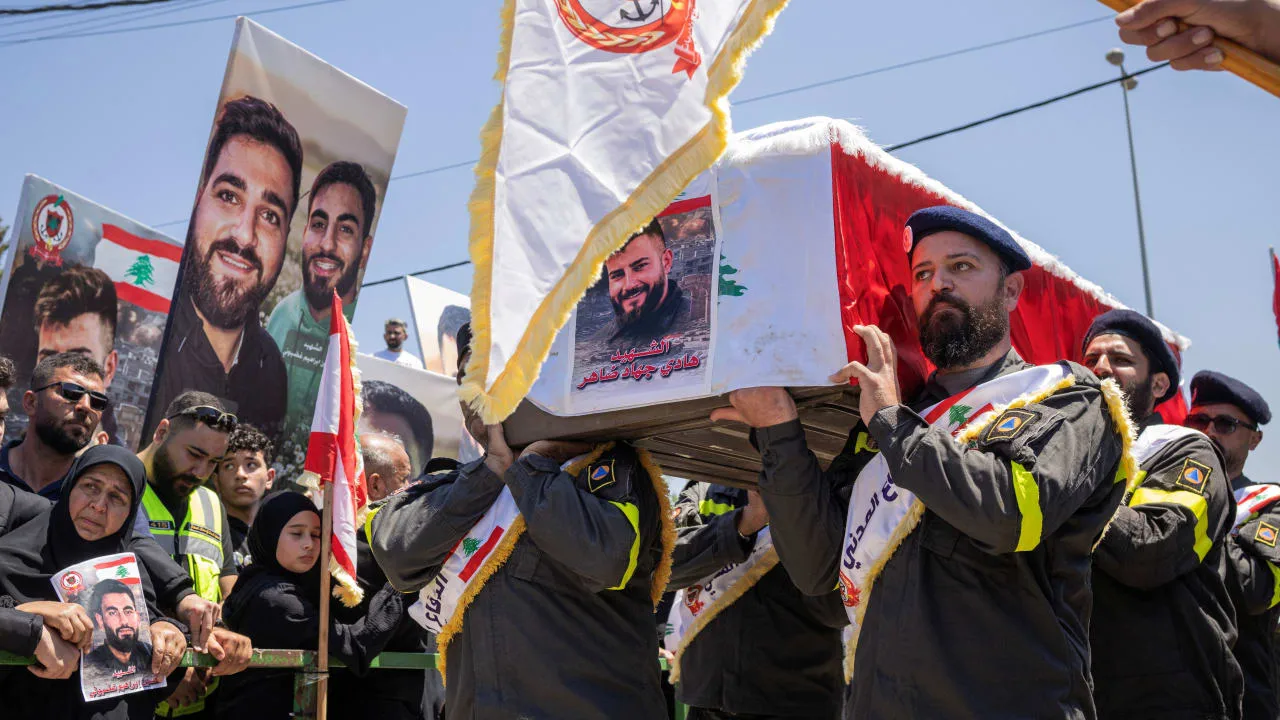
Israel continues to conduct attacks in Lebanon despite a U.S.-brokered ceasefire agreement recently extended through June. These ongoing military actions persist even as the agreement was designed to provide a period of reduced hostilities between the involved parties. Lebanon’s Health Ministry reported that an air raid on the town of Deir Qanoun en-Nahr in the Tyre district resulted in 14 people killed and three wounded. The ministry did not specify the date of the attack but confirmed the rising death toll from the incident, which has drawn international concern. Separately, another person was killed northeast of Khan Younis, an area that has seen ongoing military operations and intense fighting. These incidents highlight continued military activity in the region amid efforts to de-escalate tensions, showing the fragility of the ceasefire. The U.S.-brokered ceasefire extension aimed to provide a critical window of reduced hostilities, yet the reports from Lebanon and Gaza suggest that this objective is proving difficult to maintain on the ground.
Escalating Violence in Gaza
The humanitarian situation in Gaza remains dire as Israeli drones and gunfire killed four Palestinians and wounded several others in Gaza over the last 24 hours. These incidents add to a growing casualty count in the besieged territory. Two Palestinians were killed in areas under Israeli military control in Rafah in southern Gaza, according to reports from local medical sources and aid organizations. Rafah, a city that has seen significant military operations, continues to be a flashpoint for conflict.
A third Palestinian fatality was reported in circumstances that further illustrate the intensity of the conflict. A fourth Palestinian was killed when an Israeli quadcopter drone dropped a bomb on a group of Palestinians in Beit Lahia in northern Gaza. This attack notes the widespread threat posed by drone warfare in civilian areas. These incidents contribute to the ongoing violence in the region, which has displaced millions and created an urgent humanitarian crisis. The continuous cycle of violence in Gaza has led to widespread destruction of infrastructure and a severe shortage of essential resources, exacerbating the suffering of the Palestinian population. International bodies have repeatedly called for an end to the hostilities and protection for civilians, but the conflict shows little sign of abating.
The facts provided also note that "The Late Show" had broadcast from the Ed Sullivan Theater in Manhattan since 1993. This information, while unrelated to the conflict, provides a distinct contrast to the somber reports from the Middle East, offering a glimpse into other global news.
Lebanon Under Fire
Lebanon’s National News Agency reported Israeli attacks on Wednesday killed at least eight people across various locations in the country. Five of those fatalities occurred in an airstrike on a village near Nabatieh, a region in southern Lebanon that has frequently been targeted. This strike followed another devastating incident in southern Lebanon’s Tyre district on Tuesday, where a family of 11 was killed. This family included three children, their parents, and their grandparents, showing the tragic impact on civilians. The sheer scale of loss for a single family in one strike has drawn particular condemnation. These attacks contribute to an ongoing series of military actions in the region, raising fears of a wider escalation.
The continued violence in Lebanon comes amid a recently extended U.S.-brokered ceasefire agreement. Despite the ceasefire's aim to reduce hostilities, incidents resulting in civilian casualties have been reported from various locations, casting doubt on the effectiveness of the truce. The National News Agency’s report on Wednesday’s fatalities adds to the rising death toll documented by Lebanon’s Health Ministry from previous incidents, including the air raid on Deir Qanoun en-Nahr. The strike near Nabatieh further illustrates the scope of military operations impacting Lebanese villages, with residents frequently forced to flee their homes due to the threat of bombardment. The persistent targeting of areas within Lebanon, often resulting in civilian deaths, complicates efforts by international mediators to stabilize the region and prevent a broader conflict. The humanitarian consequences of these actions are significant, leading to displacement and increased vulnerability for Lebanese communities.
Separately, CBS cited “financial reasons” for canceling “The Late Show” last July. The program had been broadcast from the Ed Sullivan Theater in Manhattan since 1993, becoming a cultural institution. The network's decision was attributed to financial considerations, concluding the show's long and celebrated run at its iconic venue. This move signifies a shift in broadcast television, reflecting evolving economic pressures and audience habits in the entertainment industry.
West Bank Settler Activity
Israeli settlers in the occupied West Bank have established another illegal outpost in the Masafer Yatta district, continuing a pattern of expansion that complicates the prospects for a two-state solution. Settlers, supported by Israeli soldiers, erected mobile homes near Umm al-Khair village on Wednesday. These structures were surrounded by fortifications, according to reports from Palestinian residents and monitoring groups, indicating a deliberate and protected act of settlement expansion. The establishment of such outposts is considered illegal under international law and is a frequent source of tension and conflict.
Palestinians in the city of Halhul reported that Israeli settlers attacked them on Wednesday. The residents described the attacks as occurring with impunity, stating that Israeli soldiers observed the incidents without intervening, raising serious concerns about the protection of Palestinian civilians. This activity contributes to ongoing tensions in the West Bank, where clashes between settlers and Palestinians are a regular occurrence. The establishment of new outposts in areas like Masafer Yatta often leads to confrontations with local Palestinian communities, who view such actions as part of an expanding settlement enterprise aimed at dispossessing them of their land. These events are part of a broader pattern of settler expansion in the occupied territories, which international law generally considers illegal and an impediment to peace. The presence of Israeli soldiers during these incidents, particularly the alleged non-intervention in Halhul, remains a point of contention for Palestinian residents and human rights organizations, who argue that soldiers have a duty to protect all civilians. Such developments frequently draw criticism from international bodies and governments concerned about the impact on the prospects for a future Palestinian state and the erosion of trust between communities.
International and Tech Developments
In a significant maritime development, Iran announced it has established a controlled maritime zone in the Strait of Hormuz, a critical global shipping lane. Iran’s Islamic Revolutionary Guard Corps stated it had coordinated safe passage for 26 cargo ships and tankers on Wednesday through the strait, asserting its control over the strategic waterway. Reports indicate Iran is charging tolls of up to $2 million for passage, payable in Chinese yuan or bitcoin, a move that could have implications for international shipping and financial transactions. This assertion of control and the imposition of tolls introduce a new dynamic to maritime security in the Persian Gulf.
Meanwhile, President Trump communicated he was willing to delay planned attacks on Iran for “a few days” while awaiting Iran’s response, signaling a potential de-escalation or a pause in military considerations. On Tuesday, President Trump spoke by phone with Israeli Prime Minister Benjamin Netanyahu, likely discussing regional security and the ongoing tensions with Iran. Separately, the USS Nimitz Carrier Strike Group arrived in the southern Caribbean on Wednesday, a deployment that could be interpreted as a show of force or a routine exercise, depending on geopolitical context. These developments highlight the complex and often intertwined nature of international relations and military posturing.
In legal developments, the Justice Department unsealed murder charges on Wednesday against 94-year-old former Cuban President Raúl Castro. The indictment accuses Castro of ordering the shootdown of two small planes operated by the Cuban American exile group Brothers to the Rescue in 1996, an incident that caused significant international outcry at the time. President Trump has repeatedly threatened military action against Cuba, imposing a fuel blockade that has triggered severe blackouts, food shortages, and economic collapse, further straining relations between the two countries. These charges against such a high-profile figure show the long-standing tensions and unresolved issues between the U.S. And Cuba.
In the technology sector, Elon Musk’s private aerospace and artificial intelligence company SpaceX has confirmed plans to go public. The SpaceX initial public offering (IPO) could see its valuation reach an astounding $2 trillion, reflecting the company's ambitious projects in space exploration and satellite internet. Additionally, OpenAI, the maker of the widely popular ChatGPT, is set to file for an initial public offering in the coming weeks, signaling a major shift in the AI industry's public market presence. These anticipated IPOs are expected to generate significant interest and investment in the rapidly expanding tech market.
Broader Context and Reactions
Human rights monitors reported that an armed drone fired on a crowded market in Sudan's West Kordofan province on Tuesday, killing 28 people and wounding dozens. This tragic incident notes the severe impact of conflict on civilian populations in Sudan. Sudan's army denied targeting civilians or civilian infrastructure, but the civilian casualties are undeniable. Nearly 20 million people across Sudan face acute hunger this year, with more than 800,000 children at risk of severe malnutrition, a humanitarian crisis exacerbated by ongoing conflict and displacement. The attack on the market adds another layer of suffering to an already desperate situation.
Separately, Israel’s far-right National Security Minister Itamar Ben-Gvir posted a video taunting hundreds of Global Sumud Flotilla activists abducted by Israel in international waters. Ben-Gvir stated, "They came with much pride, as big heroes. Look. Look. See how they look now. Look. Look at how they look now. Not heroes and not anything. Terror supporters. I tell Prime Minister Netanyahu: Give them to me for much more time. Give them to us for the terrorists’ prisons. This is how it should look." This provocative statement drew immediate criticism from human rights groups and international observers. Lawyers representing the flotilla reported that three activists were taken to the hospital due to Israeli violence, raising concerns about their treatment during detention. The incident and Ben-Gvir's comments show deep divisions and tensions surrounding Israel's actions in international waters and its handling of activists.
In technology news, the artificial intelligence company OpenAI is valued at more than $850 billion by private investors, showcasing the immense financial interest in AI development. Meanwhile, rival Anthropic is preparing an IPO that could see its valuation top $1 trillion, indicating a fierce competition for market dominance in the AI sector. The rapid growth and high valuations of these companies reflect the transformative potential seen in artificial intelligence. In a different development within the tech giant Meta, the company has sent layoff notices to about 8,000 workers, representing 10% of the social media giant’s workforce, as part of a broader restructuring. Simultaneously, another 7,000 Meta workers will be reassigned to new artificial intelligence initiatives, noting the company's strategic pivot towards AI and its impact on traditional roles.
Vermont’s independent Senator Bernie Sanders and Democratic Congressmember Summer Lee unveiled new legislation Wednesday to abolish super PACs, aiming to reform campaign finance. Their bill would cap super PAC donations from individuals at $5,000, significantly limiting the influence of large donors in political campaigns. Finally, late-night comedian Stephen Colbert signs off tonight on the final broadcast of “The Late Show,” marking the end of an era for the popular talk show.