The Israeli military announced on Thursday that it had killed a senior Hezbollah commander, Ahmed Ali Balout, in a strike conducted on Wednesday in Beirut’s southern suburbs. The Israeli military statement on Thursday specifically identified the target as a high-ranking official within the militant group, further elaborating that Balout was the commander of Hezbollah’s Radwan force, the group’s elite commando unit. The strike targeted Balout, also identified as Malek Ballout, who the Israeli military claimed commanded Hezbollah’s elite Radwan force. This operation marked Israel’s first attack on Beirut since a ceasefire was agreed with Hezbollah last month. This claim was made by the Israeli military as part of their official announcement regarding the operation.
Israel and Lebanon had agreed to a ceasefire on April 16. This ceasefire in Lebanon has been a key component of a broader truce between the United States and Iran, according to reports. The Israeli military statement confirmed the operation, identifying the target as a high-ranking official within the militant group. The strike on Wednesday against a senior Hezbollah commander represents a significant development following the implementation of the ceasefire. The truce, which came into effect last month, was intended to de-escalate tensions between the parties. The Israeli military’s announcement on Thursday detailed the successful operation against Balout, showing the ongoing military activities despite the agreement.
Details of Beirut Strike
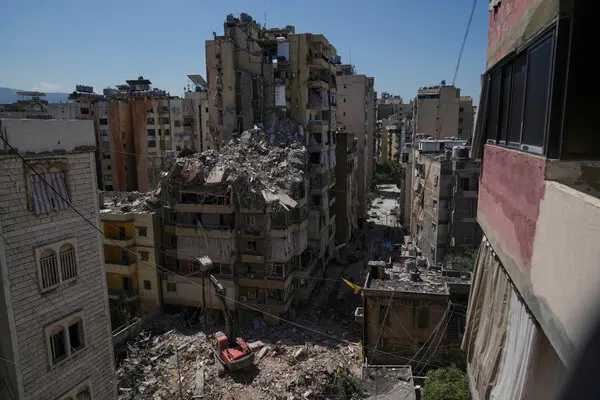
The strike on Wednesday targeted an apartment building in the Dahiya area, a densely populated residential and commercial district located in Beirut’s southern suburbs. This incident occurred despite a declared ceasefire between Israel and Hezbollah, which has seen both parties continue to exchange daily attacks in southern Lebanon. The Dahiya area, known for its vibrant community and commercial activity, became the site of the targeted operation. This particular location had not experienced Israeli attacks for a significant period prior to Wednesday's event. Strikes have persisted in southern Lebanon, indicating ongoing military activity in the region. The continued exchange of attacks notes the fragility of the ceasefire agreement, which was agreed upon by Israel and Lebanon on April 16.
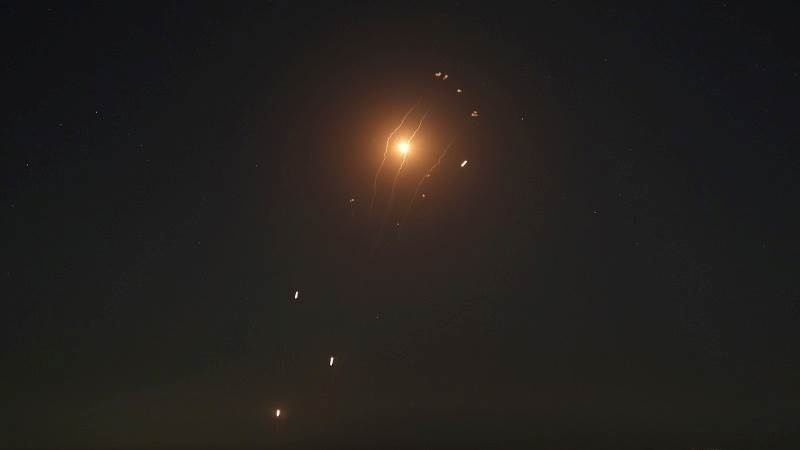
In response to these actions, Hezbollah has reportedly fired rockets and launched armed drones targeting Israeli troops. These retaliatory actions by Hezbollah have been a consistent feature of the conflict in southern Lebanon, even after the ceasefire was declared. Earlier on Wednesday, prior to the Beirut strike, Israel had urged residents to evacuate several villages situated north of the Litani River, suggesting anticipation of further military engagements. This evacuation order signaled an expectation of intensified hostilities in the border region. The Israeli military's directive for residents to leave their homes showed the escalating tensions that preceded the strike in Beirut. The ongoing exchanges in southern Lebanon have maintained a high level of alert among both military forces and civilian populations.
Broader Conflict Context
Beirut and its southern suburbs had not experienced Israeli attacks since April 8, when Israel launched a series of strikes across the country. Those attacks on April 8 resulted in the deaths of more than 350 people, according to Lebanese authorities. The broader conflict between Israel and Hezbollah began in March, following Hezbollah's rocket fire into Israel days after a joint U.S.-Israeli offensive against Iran commenced. This initial escalation marked the formal eruption of war between Israel and Hezbollah. The U.S.-Israeli offensive against Iran had set the stage for the subsequent regional instability, contributing to the conditions that led to the conflict between Israel and Hezbollah. The period between April 8 and Wednesday's strike represented a brief respite for Beirut from direct Israeli military action, a period that has now been broken by the recent targeting of the Dahiya area.
More than 2,700 individuals have been killed in Lebanon since the onset of hostilities, as reported by the country’s health ministry. This grim statistic shows the severe human cost of the conflict on the Lebanese population, noting the significant security challenges faced by the nation. At its peak, the fighting displaced over a million people within Lebanon, which constitutes approximately a fifth of the nation's population. The widespread displacement created a significant humanitarian crisis, putting immense strain on the country's resources and infrastructure. The sheer number of people forced from their homes illustrates the profound impact of the hostilities on civilian life, necessitating extensive relief efforts and international attention. Israel has reported 18 military personnel and two civilians as having been killed during the conflict. These figures reflect the casualties sustained by Israel in the ongoing confrontations, further illustrating the human toll on both sides of the conflict.
Diplomatic and Security Implications
Hezbollah has not yet issued a public statement regarding the strike in Beirut. This silence from the militant group leaves open questions about their immediate response and future actions, creating an atmosphere of uncertainty. The absence of a statement from Hezbollah has added to the uncertainty surrounding the aftermath of the strike, prompting speculation about the group's strategic considerations. The incident occurred as envoys from Israel and Lebanon are slated to participate in another round of U.S.-brokered discussions in Washington next Thursday and Friday. These diplomatic efforts aim to address the ongoing tensions and seek a more lasting resolution, with the timing of the strike potentially complicating these sensitive negotiations. The timing of the strike, just days before these key talks, could significantly impact the tone and outcome of the negotiations, potentially raising new obstacles to a peaceful resolution. The upcoming discussions in Washington are seen as a critical opportunity for de-escalation, but the recent military action could cast a long shadow over their prospects.
Amid concerns of potential escalation, the coastal city of Nahariya canceled outdoor events scheduled for Thursday and Friday. This precautionary measure by Nahariya reflects the heightened security concerns following the Beirut strike and the continued military activity in the region. The cancellation of public gatherings indicates a perceived risk to civilian safety in areas close to the border, prompting local authorities to prioritize public security. Meanwhile, the Israeli military reported that Hezbollah launched several rockets on Thursday, targeting troops operating in southern Lebanon. These rocket attacks demonstrate Hezbollah's continued engagement in hostilities, even as diplomatic efforts are underway, showing the persistent volatility of the conflict. Israeli forces have remained deployed south of the Litani River, maintaining their operational presence in the region. The sustained military presence and continued exchanges highlight the volatile security situation, which remains precarious despite diplomatic initiatives and previously agreed ceasefires.