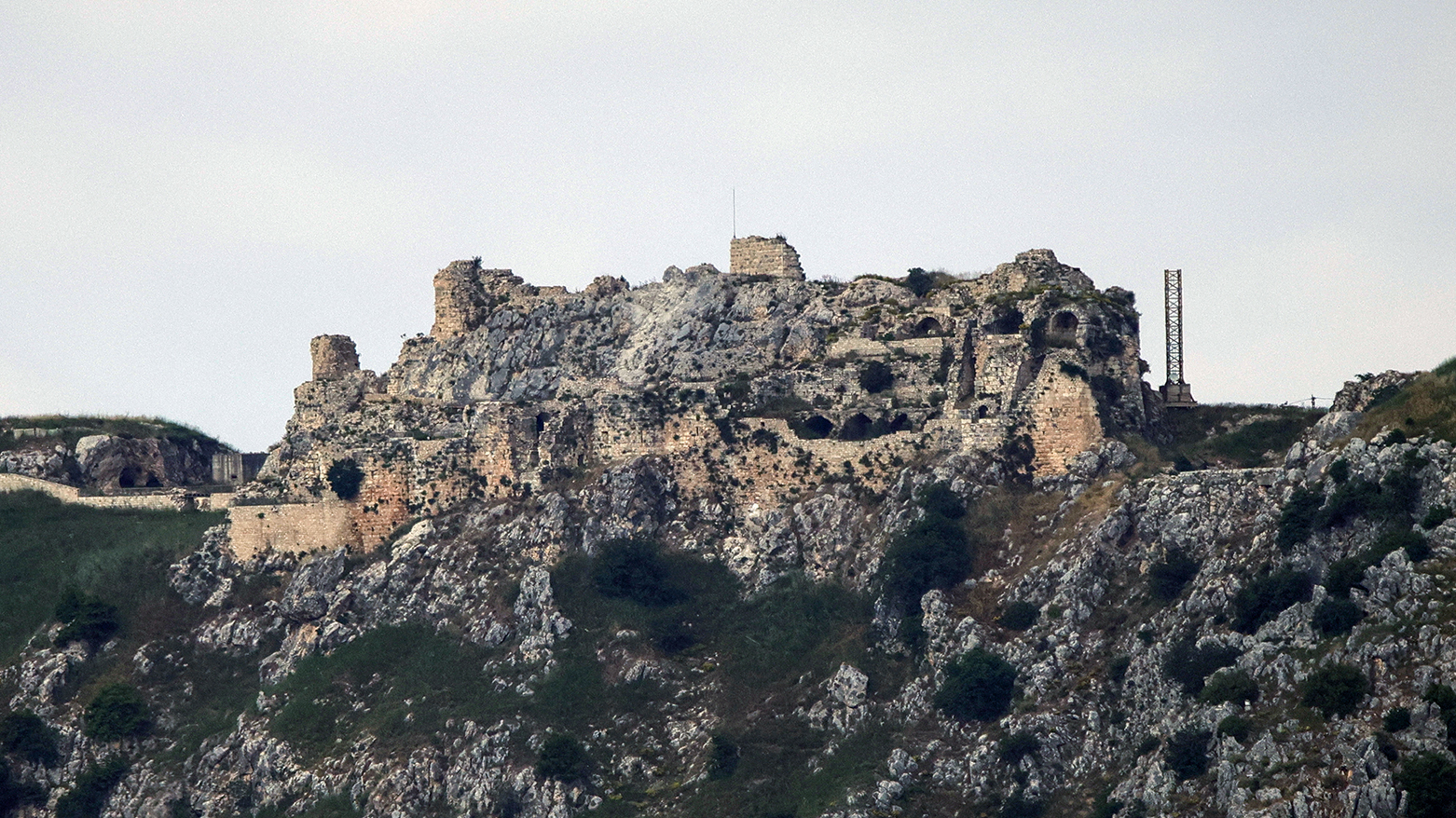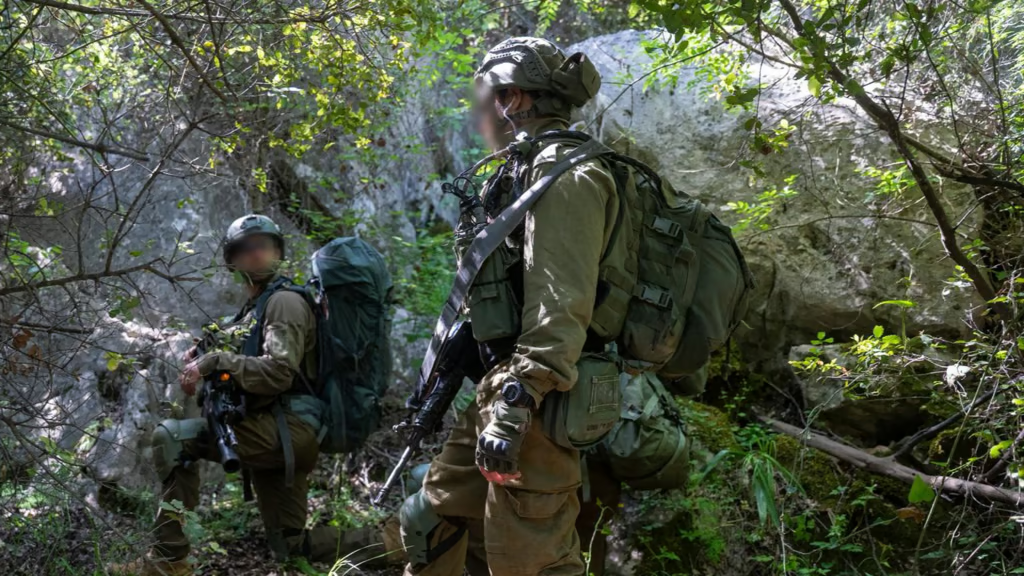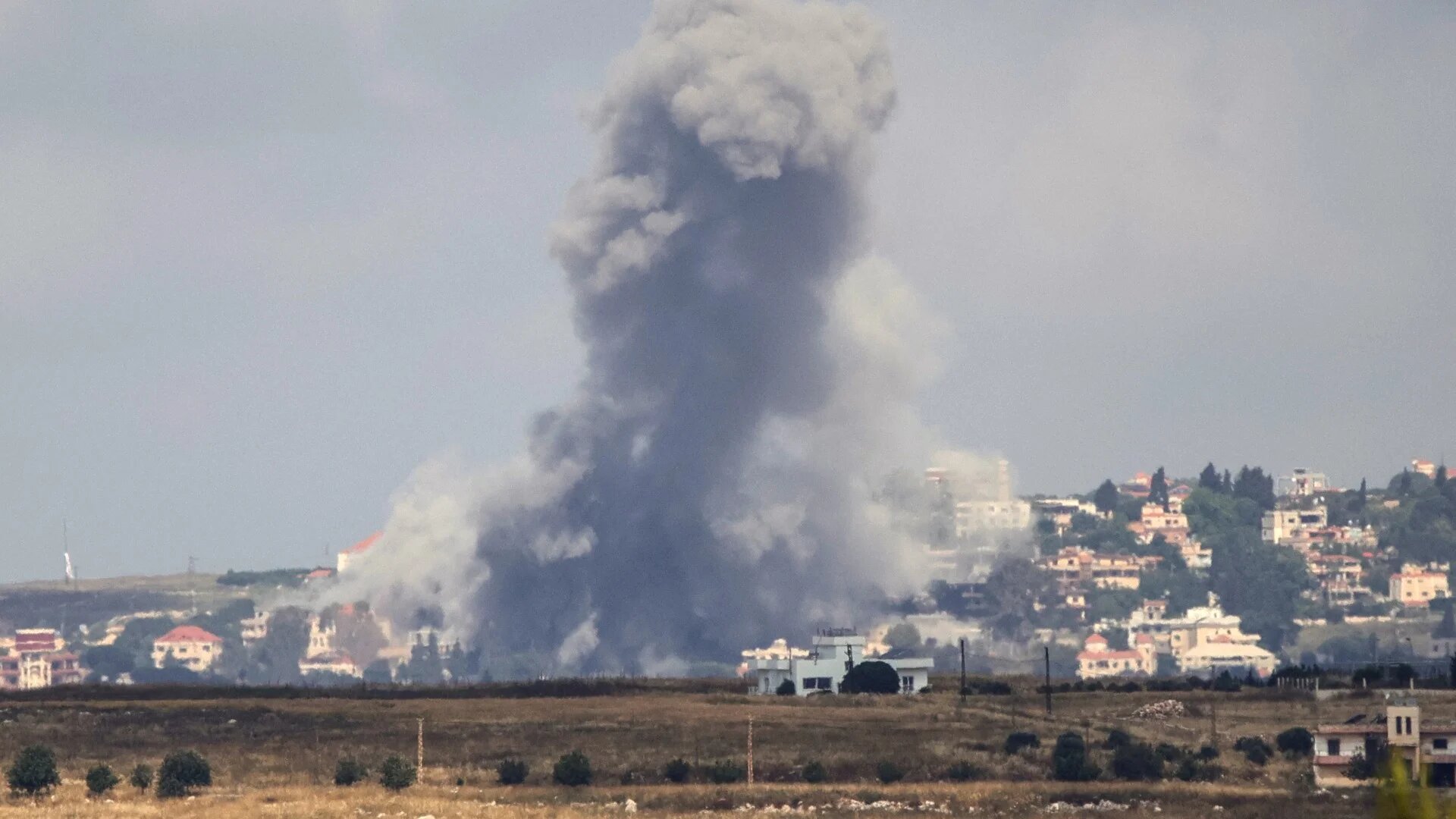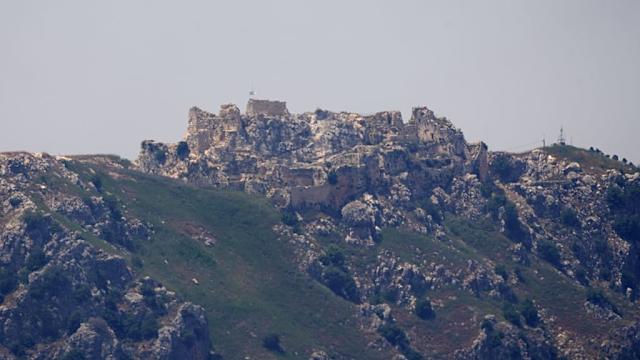
Israeli troops captured a strategic hill overlooking southern Lebanon on Saturday night into Sunday, gaining control of the Crusader-built Beaufort Castle. This action marks Israel's deepest incursion into Lebanese territory since the conflict began. The capture of the castle, near the city of Nabatiyeh, followed days of air strikes and intense fighting in nearby villages between Israeli troops and Hezbollah fighters. The move comes as direct talks between Lebanon and Israel are scheduled to take place at the United States State Department on June 2 and 3. In a separate incident, an Israeli strike near Hiram hospital in Tyre wounded 13 members of the hospital staff and caused significant damage to the facility. The escalating situation has contributed to a rising casualty count, with at least 25 Israeli soldiers and one defense contractor killed in or near southern Lebanon, including one fatality on Saturday.
Strategic Capture and Military Aims
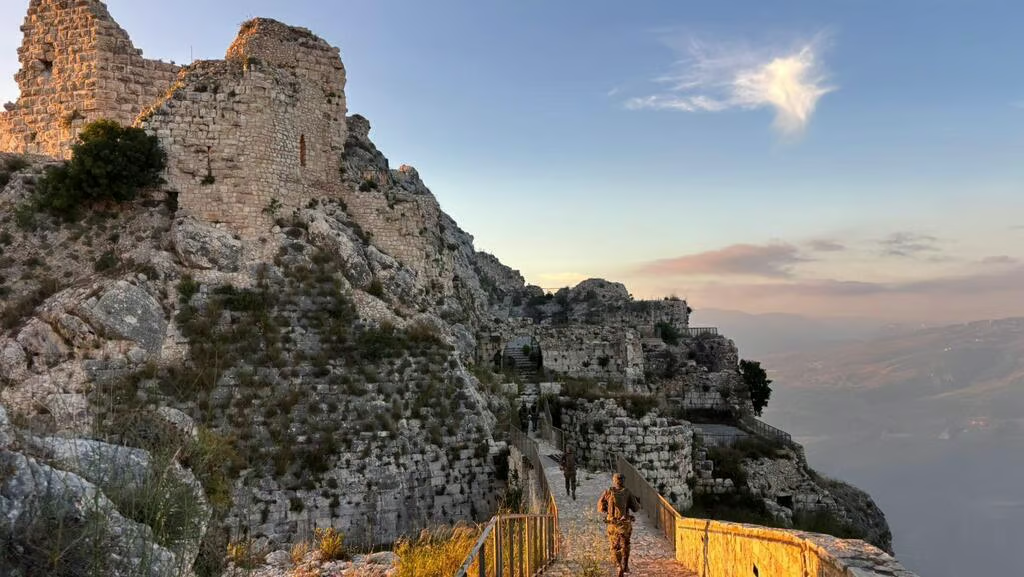
The Israeli flag is now flying over Beaufort Castle following its capture. The Israeli army launched an operation on the Beaufort ridge and in the Suluki valley, with the stated aim of dismantling Hezbollah's infrastructure. This operation also seeks to remove direct threats to Israeli civilians, according to military statements. The current advance and occupation of the castle have occurred despite a nominal ceasefire that has been in place since April 17. The strategic hill on which Beaufort Castle sits provides a commanding view of the surrounding terrain in southern Lebanon, making its control militarily significant.
The Israeli army previously captured the castle in 1982 from the Palestine Liberation Organization (PLO). This historical capture saw Israeli forces occupy the site, an event that predates the current conflict but marks a significant precedent for control over the strategic location. The current military action by the Israeli army in the Suluki valley and on the Beaufort ridge represents a renewed effort to assert control over key areas in southern Lebanon. The focus on Hezbollah infrastructure shows the immediate military objectives driving the incursion. The capture and flag-raising signify a physical and symbolic assertion of control over the ancient fortress, which was built as a Crusader castle around the 12th century on top of earlier fortifications.
Escalating Conflict and Civilian Impact
The current conflict between Israel and Hezbollah began on March 2, following a barrage of Hezbollah rockets fired into northern Israel that occurred two days after United States and Israeli strikes targeted Iran. This latest period of fighting has reportedly resulted in the deaths of 3,350 people in Lebanon and has displaced more than one million individuals within the country. In northern Israel, two civilians have been reported killed.
Lebanon's state-run National News Agency reported that various villages in southern Lebanon have been subjected to air strikes, which caused casualties among the local population. Hezbollah has claimed responsibility for two attacks against Israeli troops and a Merkava tank in the south-western town of Bayada overnight from Saturday to Sunday. The group has also launched thousands of missiles and drones at Israeli soldiers operating in southern Lebanon and northern Israel. These attacks highlight the ongoing and intense nature of the conflict, with both sides engaging in significant military actions.
In the past 24 hours alone, Israeli civilians across northern Israel have received nearly 200 alerts warning of incoming drones and missiles. These warnings highlight the ongoing aerial threats faced by communities near the border and the constant state of alert for residents. The continuous exchange of fire and the reported casualty figures show the significant human cost and widespread disruption caused by the escalating hostilities in the region. The extensive displacement of over one million people within Lebanon points to a severe humanitarian crisis unfolding as a direct consequence of the conflict. The destruction of infrastructure, as seen with the damage to Hiram hospital in Tyre and the ongoing air strikes on villages, further exacerbates the suffering of the civilian population.
International Reaction and Diplomatic Efforts
The capture of Beaufort Castle marks the deepest incursion into Lebanon by Israeli troops in more than a quarter of a century, according to the Israeli army. This significant military advance has drawn international attention, with France calling for a United Nations Security Council meeting to address the escalating situation. The international community is closely monitoring the developments, particularly given the historical volatility of the region.
Israel has designated the area stretching from the Litani River to the Zahrani River as a combat zone, expanding its operational reach significantly. Israeli troops are currently positioned approximately 5 kilometers from the city of Nabatiyeh. This declaration of a combat zone shows the breadth of Israel's military operations and the potential for further expansion of hostilities within southern Lebanon. The proximity of Israeli forces to Nabatiyeh, a major city in southern Lebanon, indicates a deepening of the ground invasion.
The historic site, known in Arabic as Al-Shaqif Castle, holds significant cultural value. During the previous conflict between Israel and Hezbollah in 2024, UNESCO granted enhanced protection to 34 cultural sites in Lebanon, including Beaufort Castle. This designation aimed to safeguard these locations from the impacts of hostilities, reflecting international concern for cultural heritage during armed conflict. The current military operations in and around such a site raise questions about the effectiveness of such protections amidst active combat. The United States State Department's role in facilitating direct talks between Lebanon and Israel on June 2 and 3 notes ongoing diplomatic efforts to de-escalate the conflict, even as military actions intensify on the ground.
Leadership Statements and Future Outlook
The capture of Beaufort Castle, located near the city of Nabatiyeh, occurred after days of air strikes and intense fighting in nearby villages between Israeli troops and Hezbollah fighters. Israel has also launched a ground invasion, seizing dozens of Lebanese villages and towns near the border as part of its operations. This ground invasion complements the air strikes and targeted operations, indicating a full military strategy aimed at securing the border region and dismantling Hezbollah's capabilities. Historic records indicate that Beaufort Castle was constructed as a Crusader castle around the 12th century, built upon earlier fortifications, giving it a long and storied history as a strategic stronghold. The current conflict adds another chapter to its history, transforming it from a historical landmark into a key military objective in the ongoing hostilities. The continued military engagements, coupled with the scheduled diplomatic talks, suggest a complex and uncertain path forward for the region, with both military and political pressures at play.