The Israeli military has reinforced its northern front, conducting extensive training exercises and operational drills in anticipation of Lebanon potentially becoming part of a broader regional conflict. This significant deployment follows recent reports of a missile landing in the area, prompting Israel to bolster its defenses along the northern border with increased urgency and strategic planning. The exercises are designed to ensure troop readiness and operational efficiency in a rapidly evolving security landscape.
Heightened Military Readiness and Preparations
The Mountain Brigade, a key infantry unit, has been strategically deployed to high ground overlooking the Lebanese side of the disputed Shebaa Farms area, according to military sources. This critical deployment is part of broader operational adjustments being implemented across the entire northern sector. These adjustments include enhanced surveillance, improved communication protocols, and a review of defensive postures to counter potential threats effectively. Concurrently, air defense systems across Israel have been placed on a heightened state of alert, reflecting the full nature of the country's defensive preparations. Military officials have confirmed these increased readiness levels, emphasizing a proactive stance against potential aerial threats originating from various directions. The full nature of these measures shows the seriousness with which Israel views the current security environment.
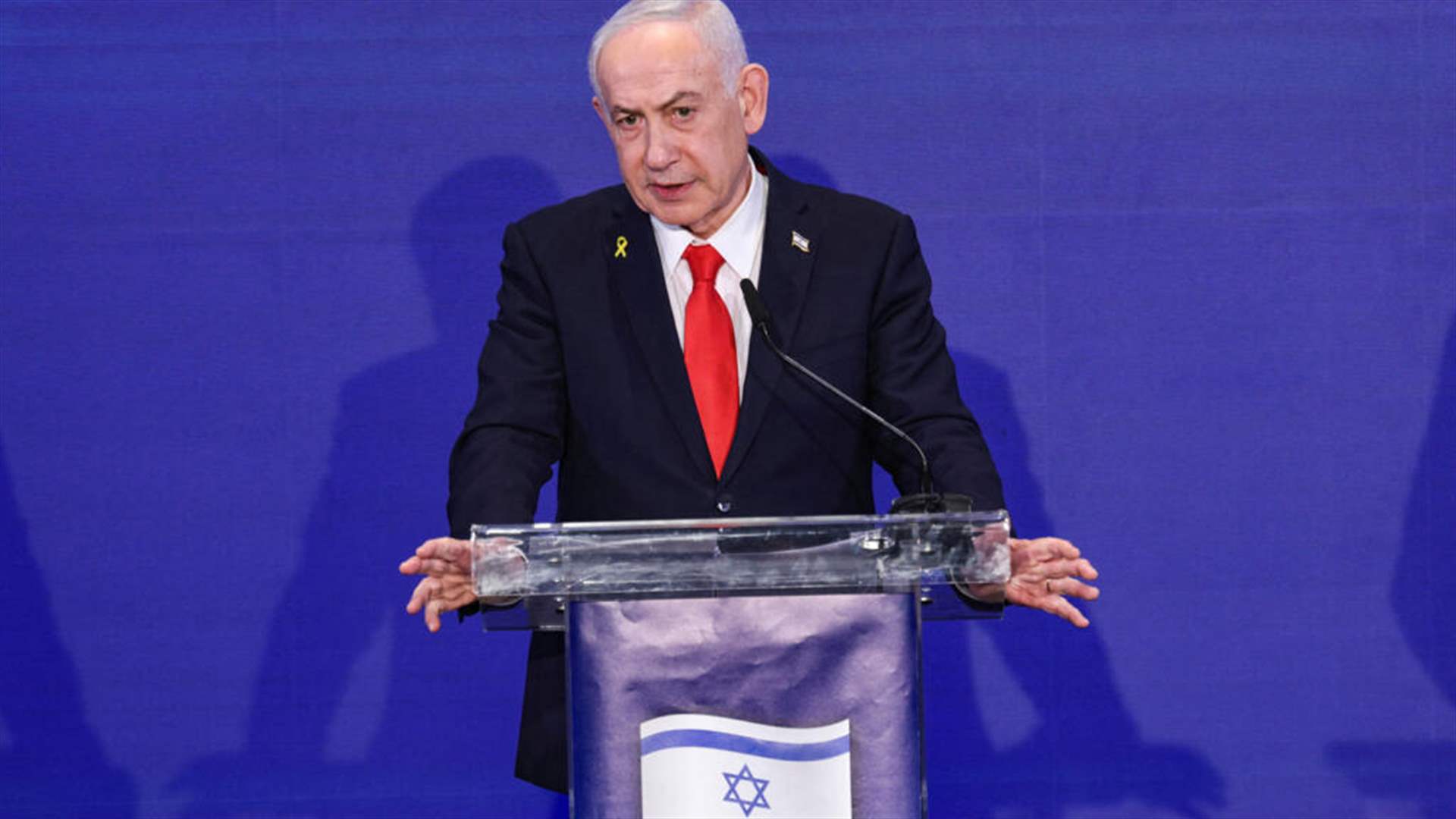
Prime Minister Benjamin Netanyahu convened a limited security cabinet meeting to discuss possible scenarios should war with Iran erupt. The meeting focused on strategic planning and coordination among various security agencies, including the Israel Defense Forces, intelligence services, and other relevant bodies. Deliberations included detailed assessments of regional developments, intelligence briefings on adversary capabilities, and potential responses to a wide array of contingencies. The deployment of ground forces and the elevated alert status of air defenses collectively reflect Israel's unwavering focus on securing its northern border amid increasing regional tensions. These military maneuvers are not merely reactive but are part of a pre-emptive strategy to deter aggression and protect national interests.
Nationwide Emergency Measures Activated
Authorities have raised the level of emergency preparedness across Israel to an unprecedented degree. This heightened readiness comes as Israeli officials issue stark warnings that any new confrontation with Iran could prove significantly more severe and destructive than previous rounds of fighting. The government's assessment suggests that a future conflict might involve a broader array of sophisticated weaponry and a more extensive operational theater. In response to the escalating situation, emergency coordination committees have been established throughout the country, tasked with ensuring smooth communication and resource allocation during a crisis. These committees are working to synchronize efforts between local authorities, emergency services, and national security bodies.
Further full measures include the cancellation of public activities scheduled for Saturday and Sunday in several areas, affecting a wide range of community events, educational programs, and recreational gatherings. These cancellations extend across various regions as a precautionary measure, aiming to minimize civilian exposure to potential risks. Concurrently, bomb shelters have been systematically opened across parts of the country, extending from the northern border region, which is directly exposed to potential cross-border attacks, down through central Israel, including major population centers, and into southern Israel. The activation of these shelters provides readily accessible protective spaces for residents in diverse geographic locations, ensuring that a significant portion of the population has access to immediate safety. The full activation of these emergency protocols reflects profound concerns regarding potential regional developments and the imperative to protect civilian lives. These extensive steps aim to ensure public safety and operational readiness amid the rapidly evolving security landscape, demonstrating a holistic approach to national defense and civil preparedness.
Diplomatic Maneuvers and International Warnings
Speculation continues to mount that significant military action against Iran could take place by the end of the current week, intensifying the regional and international focus on the Middle East. Prime Minister Benjamin Netanyahu is scheduled to travel to Washington on Monday for a series of high-level engagements. During his visit, he will hold key talks with U.S. President Donald Trump, where discussions are expected to cover the escalating tensions with Iran, regional security, and the ongoing strategic alliance between the two nations. These discussions are considered vital for coordinating responses to the complex challenges facing both countries.
Israeli media reports indicate that officials have conducted thorough assessments, concluding that a future conflict would likely be far more dangerous and impactful than recent exchanges with adversaries. This assessment notes the potential for a broader conflict with more severe consequences, prompting the current heightened state of alert. Israeli security officials are reportedly seeking strong U.S. Backing to avoid a repeat of previous ceasefire arrangements, which they believe have not adequately addressed the root causes of regional instability. Netanyahu's visit also includes attending the funeral of U.S. Senator Lindsey Graham, a prominent figure in U.S. Foreign policy. The timing of the Prime Minister's trip, amidst such profound regional uncertainty, fuels widespread speculation that it could be intrinsically linked to strategic coordination with Washington as international pressure mounts on Iran. This diplomatic offensive is seen as a critical component of Israel's multi-faceted approach to managing the current crisis, combining military readiness with concerted international engagement to address the persistent threats.