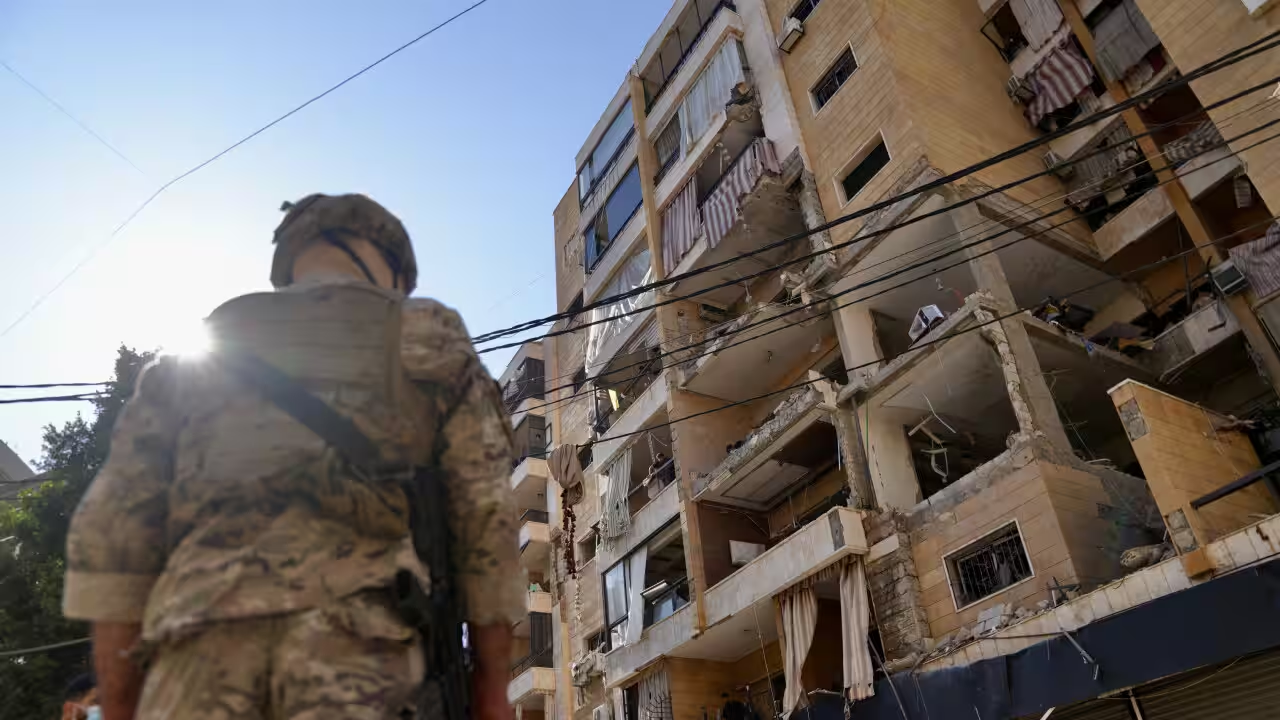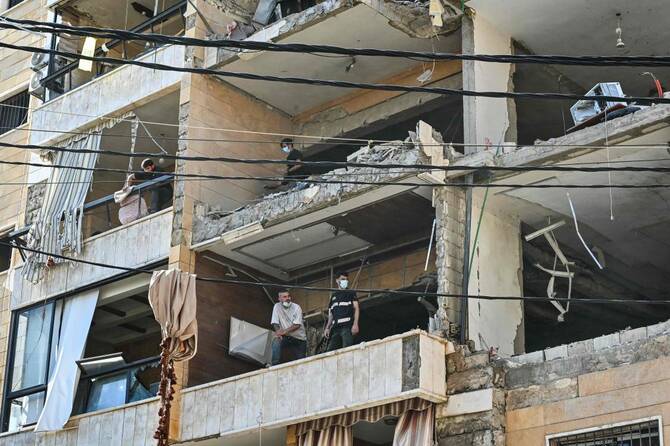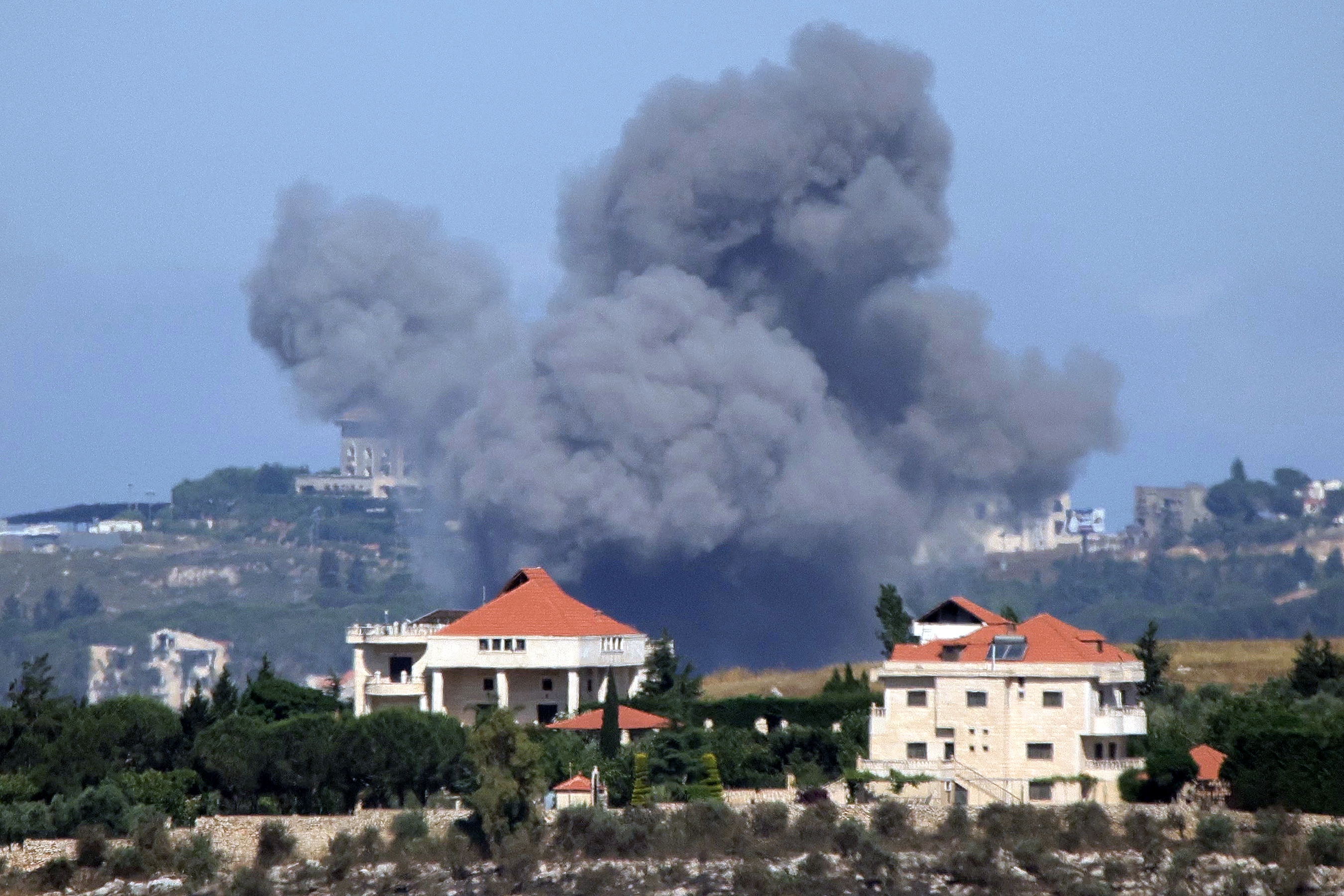
Israel conducted airstrikes on Beirut’s suburbs on Sunday, marking the first such attacks on the Lebanese capital since a U.S.-brokered ceasefire was renewed last week. The strikes, which targeted areas within Beirut, represent a significant escalation in hostilities and raise serious concerns about the stability of the fragile truce. The latest ceasefire agreement, which initially went into effect on April 17, had been renewed on Thursday, just days before the Israeli assault on the Lebanese capital. This immediate breach shows the precarious nature of the peace efforts in the region.
Escalation Amidst Fragile Truce
Multiple ceasefires between Israel and Hezbollah have been breached since November 2024, contributing to ongoing instability in the region. This pattern of violations notes the persistent challenges in establishing and maintaining a lasting cessation of hostilities between the warring parties. The recent Israeli strikes on Beirut occurred amidst a period of significant casualties in Lebanon, painting a grim picture of the conflict's toll on civilian populations. Between March 2 and June 4 of this year, Israeli strikes resulted in the deaths of more than 3,500 women, men, and children across Lebanon. These devastating figures include a substantial number of non-combatants, further deepening the humanitarian crisis. During the same timeframe, more than 10,000 Lebanese people were also wounded, many sustaining serious injuries requiring extensive medical care. These figures show the human cost of the sustained conflict and the immense challenges in maintaining a lasting cessation of hostilities, as diplomatic efforts repeatedly falter in the face of renewed aggression. The repeated breaches of truce agreements continue to fuel a cycle of violence that displaces communities and causes widespread suffering.
Netanyahu's Stance and Trump's Involvement
The office of Israeli Prime Minister Benjamin Netanyahu announced the attack in the Dahieh district of Beirut, a known stronghold. Prime Minister Netanyahu stated, "We are striking them very hard, and we know that Hezbollah is on the run. We will not allow firing at our territory or our communities, and we will act accordingly." These strong words from the Israeli leader indicate a firm resolve to continue military operations despite international calls for de-escalation. Hezbollah, a Lebanese political party and militant group, confirmed it had attacked a group of Israeli state fighters with drones overnight, presenting its actions as a direct response to the Israeli aggression. This immediate counter-claim from Hezbollah signals their intent to retaliate and maintain a posture of resistance. Meanwhile, President Trump confirmed a fiery telephone call on June 1 with the Israeli prime minister. President Trump remarked, "If there wasn’t me, there would be no Israel," a statement that has drawn attention to his perceived role in supporting Israel's security and policy decisions. The involvement of such high-level political figures shows the international dimensions and geopolitical sensitivities surrounding the conflict.
Expert Analysis of Tit-for-Tat
The recent Israeli airstrikes on Beirut and subsequent confirmation by Hezbollah of drone attacks on Israeli forces highlight a critical phase in the ongoing regional conflict. Both sides have demonstrated a willingness to respond to perceived provocations, leading to heightened concerns about a wider escalation that could engulf the broader Middle East. The tit-for-tat exchanges, particularly after the renewal of a U.S.-brokered ceasefire, suggest a profoundly fragile security situation where localized incidents can quickly spiral into larger confrontations. This pattern of strikes and counter-strikes risks severely undermining diplomatic efforts aimed at de-escalation and stabilizing the volatile border region. The actions by both Israel and Hezbollah indicate a complex and volatile dynamic, with each party asserting its operational capabilities and unwavering commitment to its respective security objectives, often at the expense of civilian safety and regional stability. This continuous cycle of aggression poses a significant challenge to maintaining peace, as each new strike or counter-strike erodes trust and makes future diplomatic resolutions increasingly difficult to achieve. The international community watches closely, fearing that the renewed violence could lead to an uncontrollable escalation.