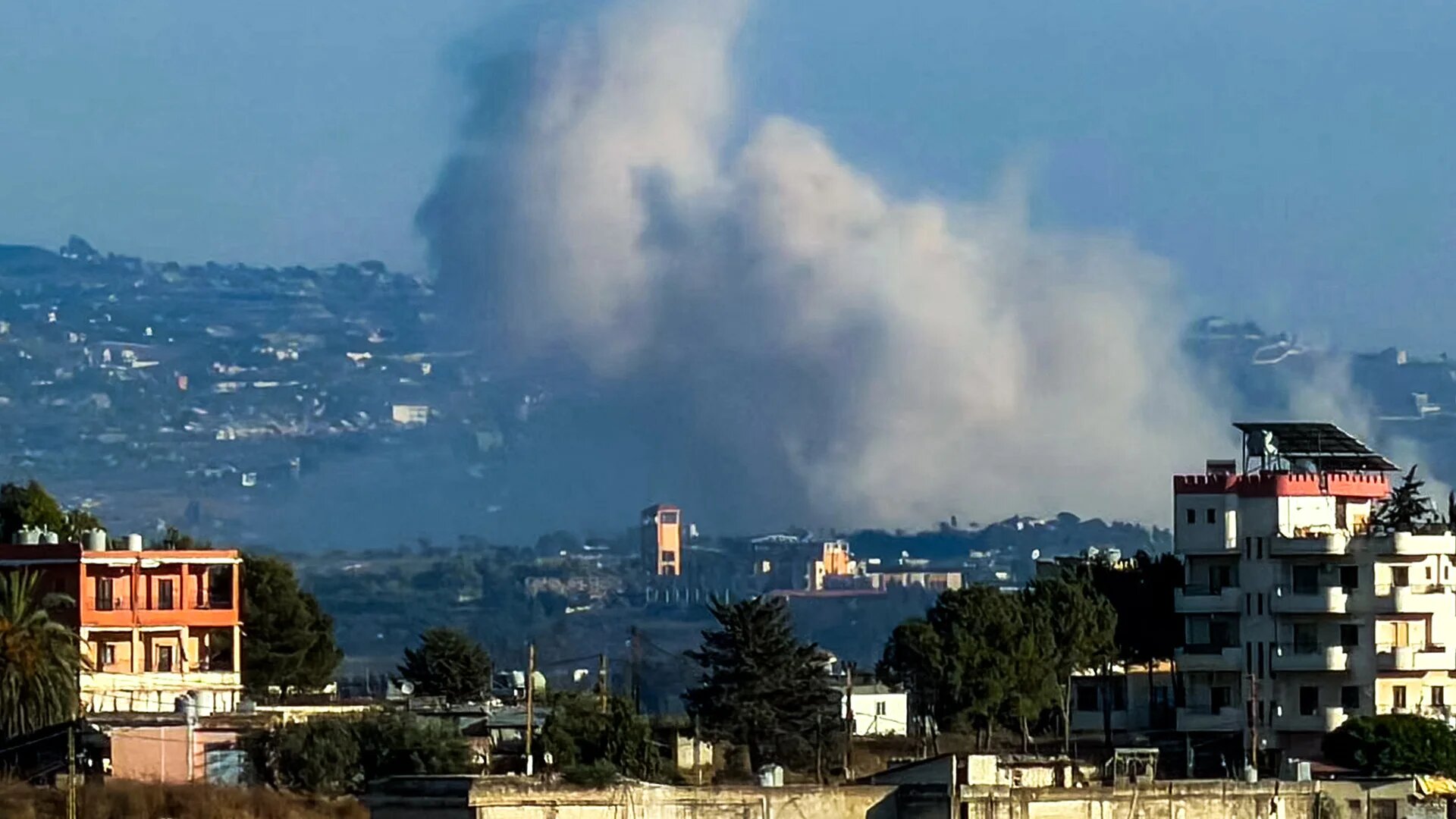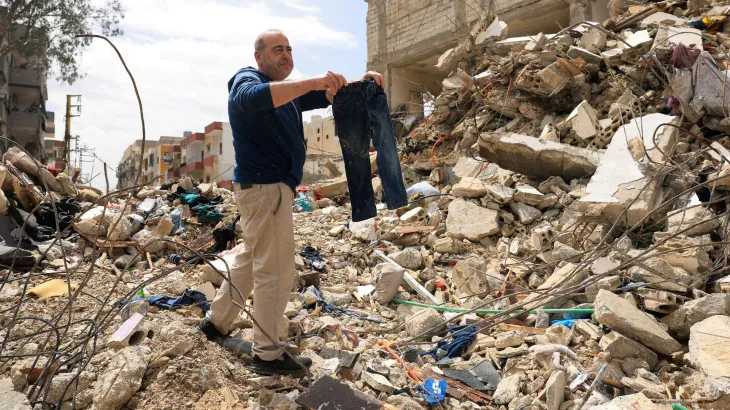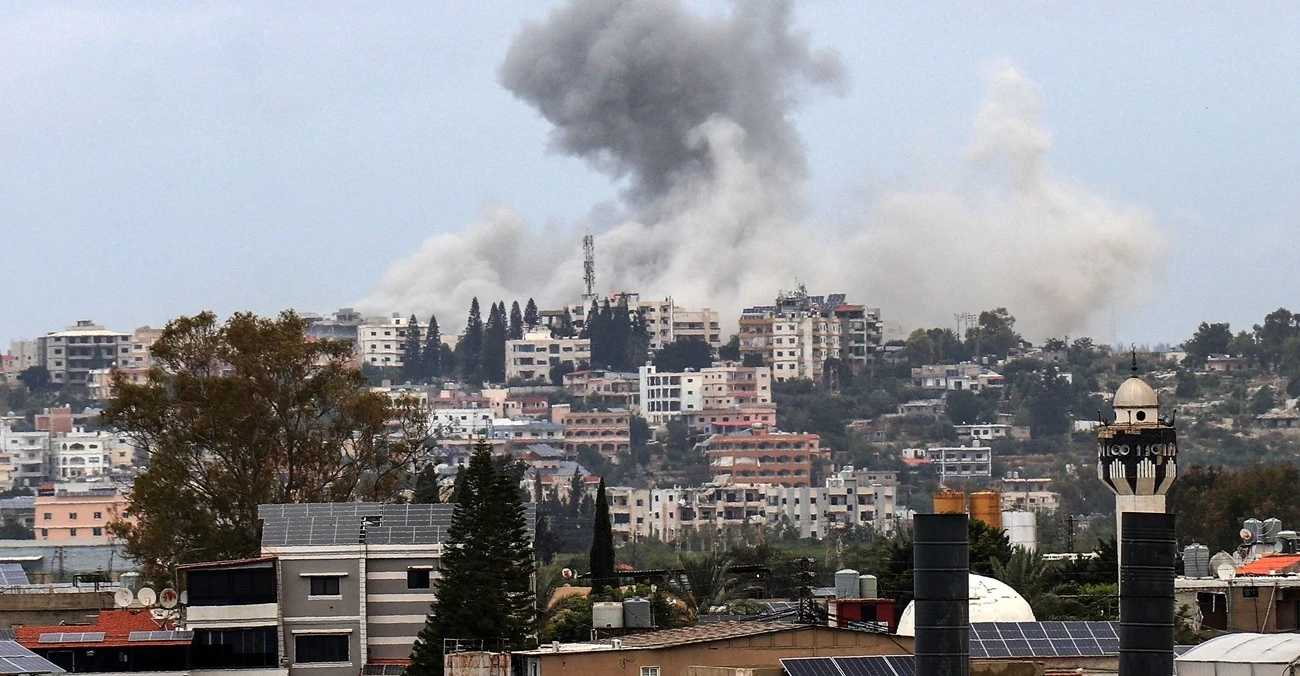
An Israeli airstrike killed two Lebanese individuals on Thursday in the town of Nabatieh al-Fawqa in southern Lebanon. The incident occurred amidst ongoing efforts to implement a border agreement. Under a US-brokered framework signed on June 26, Israel had agreed to withdraw from designated pilot zones. This withdrawal was intended to precede the deployment of the Lebanese Army into those areas as part of a phased plan. The airstrike, which resulted in the immediate deaths of two Lebanese individuals, has cast a shadow over the delicate negotiations and the proposed withdrawal plan. The targeting of Nabatieh al-Fawqa, a town in southern Lebanon, shows the volatile security situation in the region, even as diplomatic efforts progress.
Deadly Strike and Army Response
Following the deadly airstrike, the Lebanese Army deployed patrols and established checkpoints and observation posts in several towns. These deployments occurred in Froun, Ghandoorieh, Qalaouiyeh, Borj Qalaouiyeh, and Kfardounine, all located within the Bint Jbeil district. Additional army presence was noted in Qaqaiyat al-Jisr in the Nabatieh district and Srifa in the Tyre district. The military's actions aim to reinforce security and maintain order in the southern regions of Lebanon, particularly in the wake of the recent escalation. The presence of these patrols and observation posts serves as a visible response to the airstrike, demonstrating the army's commitment to its operational presence in these sensitive border areas. The extensive deployment covers a significant geographical spread across multiple districts, indicating a broad-based security measure intended to stabilize the situation and reassure local populations. These deployments are critical given the ongoing tensions and the strategic importance of these border communities.
Pilot Zone Agreement Breakdown
On July 15, the US Embassy in Beirut announced that Lebanon and Israel had reached an agreement on the structure and operational guidelines for proposed pilot zones in southern Lebanon. This announcement followed two days of negotiations held in Rome. The discussions aimed to establish a framework for these zones, which are integral to a broader border deal. The agreement on the structure and operational guidelines marked a significant step in the diplomatic process, outlining how the pilot zones would function on the ground. The detailed framework was intended to provide clear protocols for both sides, facilitating a smooth implementation of the phased withdrawal and deployment.
Previously, Israeli Prime Minister Benjamin Netanyahu had identified Zawtar Al-Gharbiya and Froun as the initial two locations designated for the pilot phase of this agreement. These specific areas were intended to be the first sites where the agreed-upon operational guidelines would be implemented, preceding any wider deployment or withdrawal activities. The selection of these towns was strategic, aiming to test the viability of the agreement in limited, controlled environments before expanding its scope. The phased approach was designed to build confidence between the parties and ensure the practical application of the agreed-upon terms.
Broader Context and Tensions
The designated pilot zones, including Froun, are reportedly outside Israeli military control during the recent conflict with Hezbollah in southern Lebanon. This distinction is key, as it suggests that the proposed agreement aims to manage areas not directly contested by Israeli forces during recent hostilities. However, the municipal council of Froun rejected the proposal for its inclusion in the pilot zone agreement. The council argued that the town is neither under Israeli occupation nor situated along what is referred to as the "Yellow Line." This rejection notes local resistance to the proposed border arrangements, complicating the implementation of the US-brokered framework. The council's stance shows the complexities involved in securing local buy-in for such agreements, particularly in communities that feel their sovereignty or status is being redefined. The "Yellow Line" refers to a specific demarcation used in some border discussions, and Froun's assertion that it lies outside this line indicates a fundamental disagreement with the premise of its inclusion in the pilot zone.