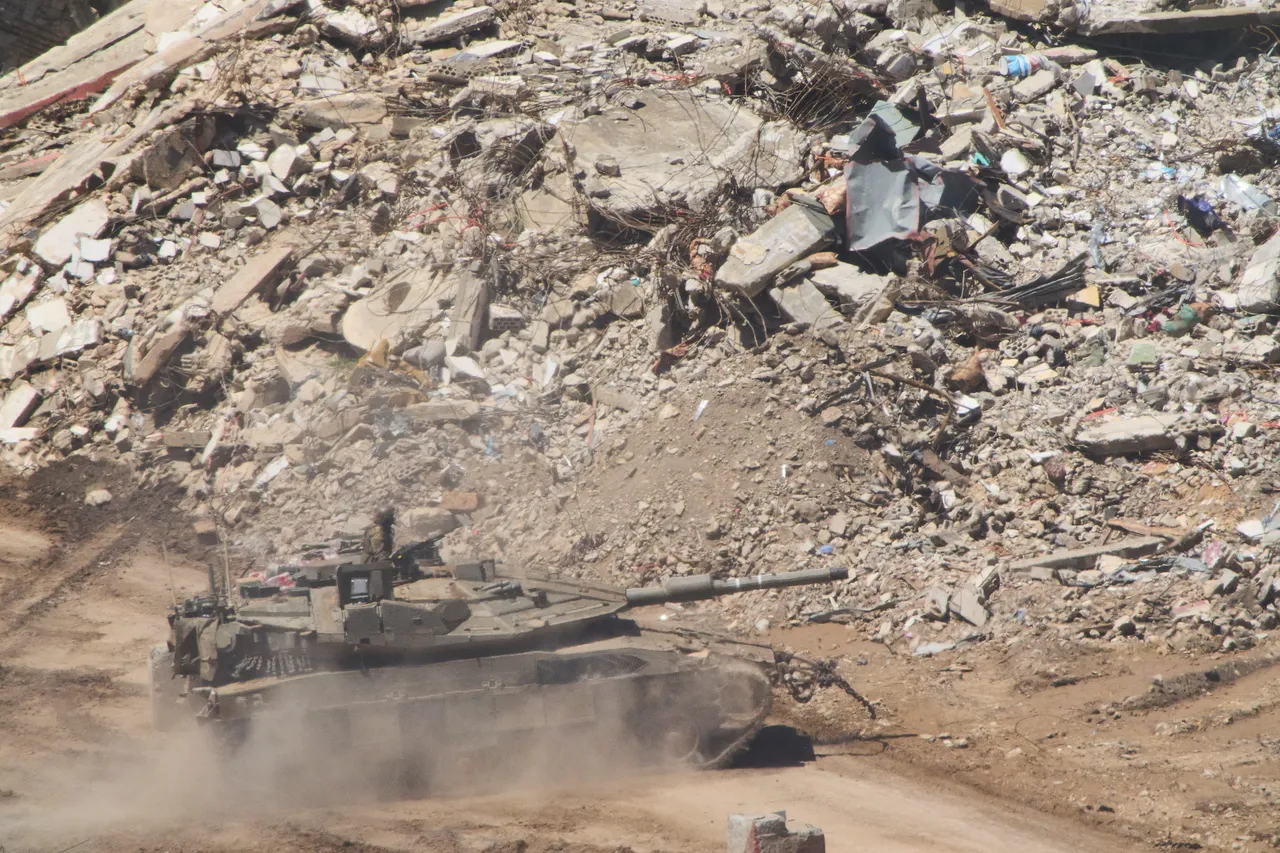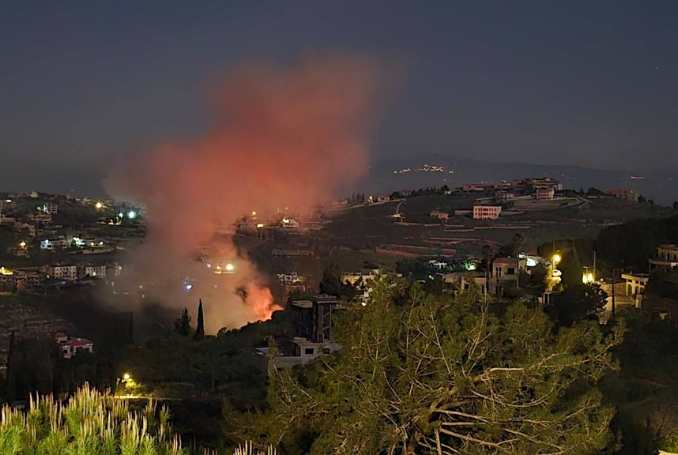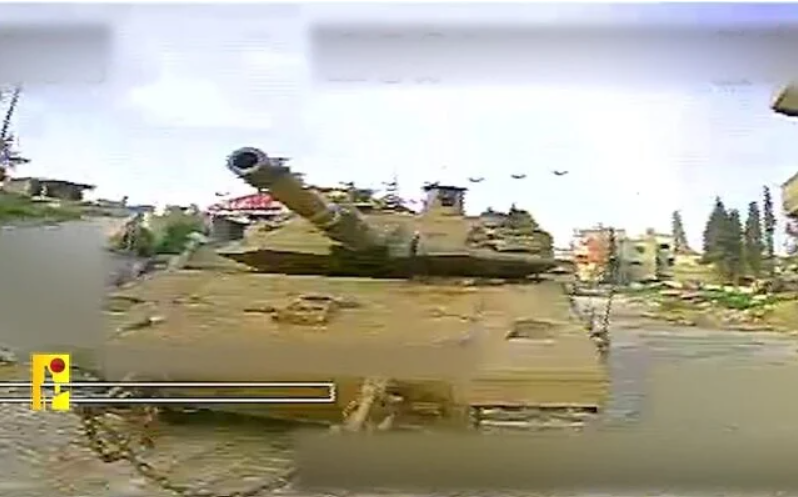
The Israeli army has acknowledged the complex and significant threat posed by Hezbollah drones to its invading troops operating in southern Lebanon, describing it as a major challenge. Over the past two months, reports indicate the Israeli army has encountered hundreds of Hezbollah drones, with a senior Israeli officer noting a clear gap between recognizing the threat and effectively responding to it. Hezbollah has increasingly deployed cheap, upgraded drones fitted with explosives and fiber-optic cables, including small first-person-view (FPV) drones, in recent weeks. This strategic shift has presented formidable obstacles for Israeli forces.
The evolving drone tactics have resulted in casualties, including the death of 19-year-old Sgt. Idan Fooks. An explosive drone struck shortly after a helicopter arrived to evacuate Sgt. Fooks' body and six other injured soldiers following the initial drone attack. This incident shows the sophisticated and dangerous nature of Hezbollah's drone operations. A senior Israeli officer stated, "The drone threat is 'a very significant challenge,' noting that there is 'a clear gap between recognizing the threat and effectively responding to it.'" This acknowledgement notes the pressing need for effective countermeasures against these rapidly evolving aerial threats.
Evolving Drone Arsenal
Hezbollah has reportedly employed one-way attack drones against Israel for several years, marking a significant escalation in their operational capabilities. The group has integrated a broad spectrum of Unmanned Aerial Vehicles (UAVs) into its arsenal, encompassing reconnaissance quadcopters, fixed-wing platforms, and loitering munitions equipped with explosives. Hezbollah's drone capabilities have seen rapid expansion, influenced by technological transfers from Iran and insights gleaned from conflicts in Ukraine, the Caucasus, and the wider Middle East. The group's ability to adapt and integrate new drone technologies has made them a formidable adversary.
In recent weeks, Hezbollah has unveiled more small first-person-view (FPV) drones as well as drones attached to fiber-optic cables, and has increasingly relied on cheap, upgraded drones fitted with explosives and fiber-optic cables. This shift towards more advanced and harder-to-detect drones has compounded the challenges faced by Israeli forces. Hezbollah is specifically targeting fortifications and troop gathering areas using remotely operated suicide drones, which can hover or wait on rooftops. These drones, particularly those connected via fiber optics, operate silently and emit no signals, making them challenging to detect or intercept. The small, silent, and readily available nature of these drones further complicates defensive efforts. In October 2024, Hezbollah drones were responsible for the deaths of four 19-year-old soldiers at a Golani training base located near Binyamina, demonstrating the lethal effectiveness of these weapons.
The Israeli military has resumed assaults on southern Lebanon, even after an initial ten-day truce was extended for an additional three weeks. Separately, an employee of the Israeli ministry of war was killed while engaged in demolishing homes in southern Lebanon with a bulldozer, an event that further illustrates the intense and ongoing conflict in the region.
Challenges for Israeli Forces
Israeli forces operating in southern Lebanon face increasingly difficult conditions, with one Israeli soldier describing the current situation as worse than before. In prior rounds of conflict, the Israeli army reportedly had greater freedom to operate and launch attacks anywhere in southern Lebanon. This stark contrast shows the enhanced capabilities and strategic effectiveness of Hezbollah's current operations. An Israeli soldier stated, "Hezbollah is firing intensively." The soldier added that Hezbollah's drones are "extremely difficult to detect- small, silent, and fast," noting that "They hover in the air or wait on rooftops. The moment there’s movement, they detonate over the troops." This vivid description notes the immediate and widespread threat posed by these drones to ground forces.
Hezbollah has reportedly drawn lessons from previous conflicts and identified vulnerabilities within Israeli forces deployed in combat zones. The group continues to launch drones at northern Israel and at Israeli troops positioned in southern Lebanon, maintaining constant pressure along the border. The border between Israel and Lebanon presents varied terrain, including mountains, valleys, and dense vegetation, which can impact sensor performance and detection capabilities, thus aiding Hezbollah's covert drone operations. Reservists serving under Hezbollah fire in southern Lebanon are said to understand this threat, with many reportedly working on counter-unmanned aircraft systems (C-UAS) technology after returning home, indicating a grassroots effort to address the problem.
Hezbollah initiated military operations against the Israeli regime on March 2, citing aggression against Iran, repeated violations of the 2024 ceasefire, and continued occupation of Lebanese territory. Israeli occupation forces continue to maintain a presence in parts of southern Lebanon, enforcing a 'Yellow Line' buffer zone, which remains a point of contention and a flashpoint for ongoing hostilities.
Defense Gaps and Responses
Israel’s military possesses one of the world's most sophisticated air-defense networks, though these systems were primarily designed to intercept rockets, missiles, and larger aircraft. The Iron Dome, while capable of addressing drones, represents an expensive solution for a relatively cheap threat, making its widespread deployment against numerous small drones economically unfeasible. In response to the evolving situation, the Iron Beam system is reportedly operational on the northern border and has successfully intercepted several drones, offering a potentially more cost-effective solution for this specific threat. Beyond existing military hardware, Israel’s defense technology sector includes dozens of companies actively developing counter-Unmanned Aircraft Systems (C-UAS) solutions, reflecting a dedicated effort to innovate against this persistent challenge.
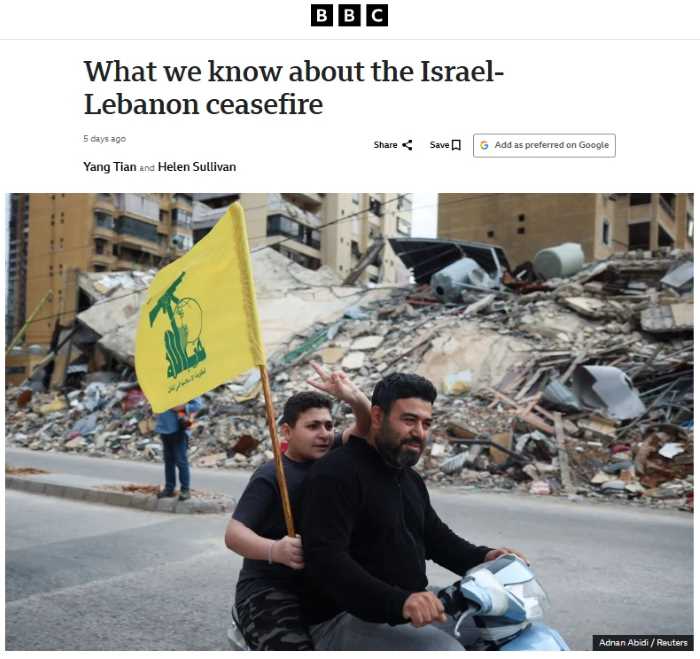
Hezbollah's drone activity has persisted even during ceasefire periods, indicating a resilient supply chain for its drone operations and a steadfast commitment to its military objectives. This continuous activity, even during ostensible periods of calm, notes the group's operational discipline and resourcefulness. Following the Iran-US ceasefire on April 8, Tel Aviv was compelled to accept a similar ceasefire in Lebanon after Tehran specifically demanded an end to Israeli attacks on Lebanese territory. Despite these agreements, renewed offensive operations by the Israeli regime in Lebanon, which began in early March, have resulted in significant casualties. According to Lebanese authorities, nearly 2,500 people have been killed in Lebanon since the start of this renewed offensive, showing the severe human cost of the ongoing conflict. Hezbollah’s resilient supply chain for its drones ensures that its operations can continue despite international pressure or temporary ceasefires.