Israel and Lebanon reached a ceasefire agreement on April 19, following sustained military activity in southern Lebanon. This agreement marked a pause in a period of intense conflict that saw significant military operations conducted by the Israeli Defense Forces (IDF) in the border region. The IDF have been conducting widespread demolition operations in this region, utilizing bulldozers and dynamite. These extensive operations have been a prominent feature of the military activities in the area. This activity has occurred within a buffer zone encompassing 55 villages along the border, a strategic area that has become a focal point of recent confrontations.
The scope of these demolition activities has raised serious concerns among international bodies and local organizations alike, particularly regarding the preservation of cultural heritage and the impact on civilian populations. The use of heavy machinery like bulldozers, alongside explosives such as dynamite, indicates a deliberate and systematic approach to altering the landscape and infrastructure of southern Lebanon. The establishment of this buffer zone, stretching across dozens of communities, has fundamentally reshaped the lives of residents and the physical environment of the area. The ceasefire, while bringing a halt to active hostilities, has not diminished the concerns surrounding the long-term consequences of these extensive demolition efforts. The nature of these operations, particularly their scale and the types of equipment deployed, suggests a full strategy extending beyond immediate military objectives.
Documenting Cultural Destruction
The convent and school operated by the Salvatorian Sisters in Yaroun village were bulldozed on May 1. This act of destruction targeted a significant religious and educational institution within the community. The Israeli army acknowledged "damaging" a building within the convent complex, stating that it "had no external signs indicating it was a religious building." This admission, while acknowledging damage, also sought to qualify the nature of the target, suggesting an absence of clear identification markers. The village's historic Saint George church, dating back to the 19th century, sustained serious damage during Israeli strikes in October 2023. This initial damage showed the vulnerability of historical religious sites in the conflict zone. The Saint George church was again damaged in the autumn of 2024, indicating repeated impacts on this significant historical structure. The village's main mosque, the Imam Ali mosque, also from the 19th century, was destroyed during an Israeli ground offensive in October 2024. The destruction of both the primary church and mosque, both dating from the 19th century, within Yaroun village notes a pattern of damage to key religious landmarks that are central to the community's identity and history. These incidents in Yaroun alone represent a substantial loss of cultural and religious heritage, with buildings that have stood for over a century being reduced to rubble or severely compromised. The repeated targeting or incidental damage to these sites raises questions about the protection of cultural property during armed conflict.
In Chamaa village, the Shamoun al-Safa sanctuary, built in 1097, suffered serious damage during an Israeli ground offensive in November 2024. This ancient sanctuary, a testament to centuries of Lebanese history, represents an invaluable piece of the region's cultural fabric. Israeli forces placed explosives inside the Shamoun al-Safa sanctuary and detonated them, claiming they were targeting Hezbollah infrastructure. This specific action, involving the placement and detonation of explosives within a historic religious site, has drawn considerable scrutiny. The claim that the sanctuary was used as Hezbollah infrastructure is central to the Israeli justification for its destruction. Satellite images obtained on April 13, 2026, appear to indicate that the Shamoun al-Safa sanctuary has been razed to the ground, confirming the total destruction of a structure that had stood for over 900 years. The photographic evidence from space provides an undeniable visual record of the sanctuary's complete obliteration, marking a profound loss for historical preservation.
A historic mosque in Al-Qantara was destroyed during operations after May 4. The Al-Qantara mosque is believed to have been constructed during the 14th century, making it another ancient religious site lost to the ongoing conflict. Its destruction adds to the growing list of irreplaceable cultural landmarks targeted or impacted by military actions. Separately, explosives were detonated along the entire perimeter of the Taybeh well. This action, affecting a vital local resource, points to a broader pattern of infrastructure destruction that impacts both historical sites and essential community assets. These incidents collectively paint a picture of widespread and systematic destruction impacting a diverse range of cultural and historical assets across southern Lebanon.
Israeli Justifications and Wider Context
Israeli authorities maintain they have "no intention to strike civilian infrastructure or religious buildings," asserting their operations are focused on demolishing Hezbollah infrastructure. This official stance emphasizes a military objective aimed solely at dismantling opposing forces' capabilities, rather than targeting civilian or cultural sites. Israeli army spokesman Avichay Adraee reiterated this claim in an X publication on May 2, using social media to disseminate the military's perspective on its operations. Adraee's public statement aimed to clarify the IDF's operational guidelines and intentions amidst mounting accusations of cultural destruction. Adraee also posted a video on April 6, 2026, which depicted large explosions and explained that forces were working to enlarge the "security zone" while destroying Hezbollah infrastructure. This video served as visual evidence of the operations, framed by the military as necessary for establishing a protective buffer and neutralizing threats. The concept of creating and expanding a "security zone" is central to the Israeli military's justification for its extensive operations in southern Lebanon, implying a defensive posture aimed at safeguarding its own borders.
In response to the reported damage, UNESCO announced on April 1 that it was granting temporary reinforced protection to 39 cultural sites across Lebanon. This intervention by the United Nations Educational, Scientific and Cultural Organization shows the international community's concern for the preservation of heritage in conflict zones. The decision to grant temporary reinforced protection is a significant step, signaling the perceived threat to these sites. One measure of this protection involves the placement of so-called "blue shields" at 34 archaeological and cultural sites. The "blue shield" emblem is an internationally recognized symbol used to identify cultural property protected under the 1954 Hague Convention for the Protection of Cultural Property in the Event of Armed Conflict, aiming to deter attacks on such sites. This initiative reflects an effort to mitigate further damage and raise awareness about the cultural significance of these locations. The UNESCO intervention notes the severe impact of the conflict on Lebanon's rich historical and archaeological landscape, prompting a global response to safeguard these irreplaceable assets. The organization's actions are a direct consequence of the extensive reports of damage and destruction emerging from the region.
Allegations of Identity Erasure
The Israeli army is working to establish a "forward defence zone" in southern Lebanon, a move that has coincided with widespread destruction. This strategic objective, aimed at creating a buffer for Israeli security, has transformed vast swathes of the Lebanese border region. The Israeli Defense Forces (IDF) have banned Lebanese civilians from entering this area, effectively displacing populations and severing their ties to their ancestral lands and communities. This prohibition on civilian access has raised serious human rights concerns and has been interpreted by some as an attempt to alter the demographic and cultural landscape permanently. The creation of such a zone, coupled with extensive demolitions, suggests a long-term strategy that extends beyond immediate military engagements. The implications of a "forward defence zone" without civilian presence are profound, potentially leading to a de facto territorial change and the erasure of Lebanese presence.
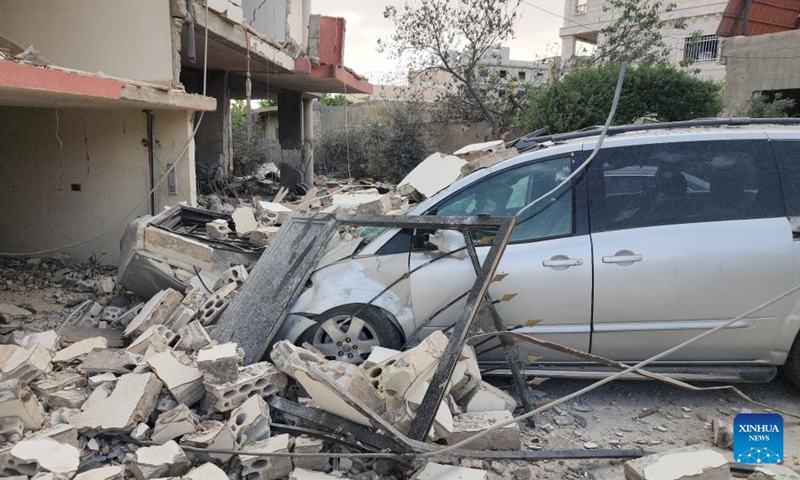
Lebanese NGO Green Southerners has been sharing photos documenting the destruction of religious structures, historic sites, and cultural heritage sites within this zone. The organization's efforts aim to highlight the impact of military operations on cultural landmarks in the region, providing key visual evidence to the world. Green Southerners plays a vital role in bringing attention to the scale and nature of the damage, acting as a local monitor and advocate for heritage preservation. Their photographic documentation provides compelling evidence that contradicts claims of incidental damage, suggesting a more deliberate or widespread pattern of destruction. The collection of these images helps to build a full record of the cultural losses incurred during the conflict.
Videos and satellite images obtained by a BBC investigation, published on April 16, 2026, show mass destruction of historic buildings and homes in Al-Taybeh. This independent journalistic investigation corroborates the reports from local NGOs and provides further detailed evidence of the devastation. The investigation reported that at least 400 structures in Al-Taybeh have been destroyed, indicating a catastrophic level of damage to an entire community. The sheer number of destroyed buildings in a single locality like Al-Taybeh shows the intensity and breadth of the demolition operations. The combination of ground-level photographic evidence from NGOs and high-altitude satellite imagery provides a strong and undeniable picture of the widespread destruction. These findings collectively fuel allegations that the Israeli military's actions in southern Lebanon amount to an attempt at erasing Lebanese identity and presence in the border region, under the guise of security operations. The systematic destruction of homes, religious sites, and historical structures, coupled with the exclusion of civilians, points towards a deliberate strategy with profound cultural and demographic consequences.