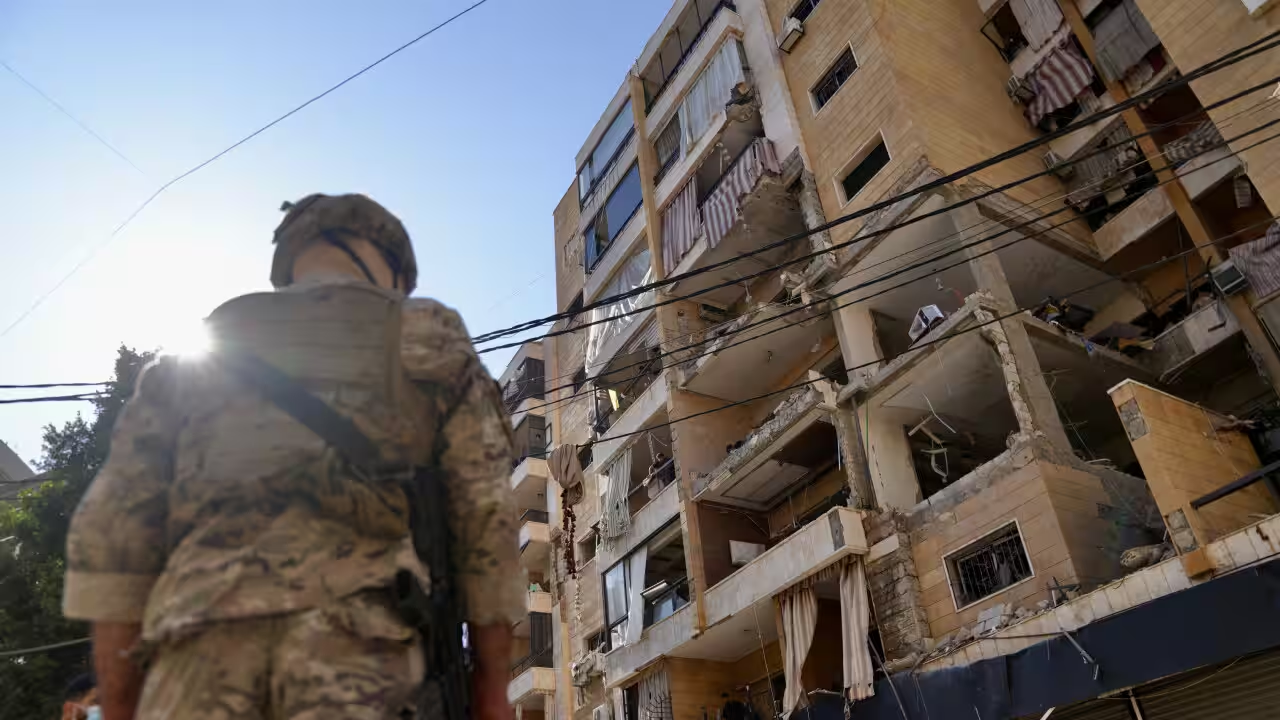
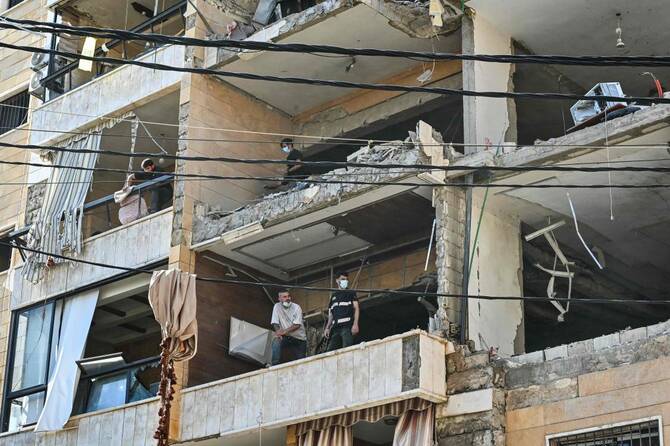
An Israeli attack targeted the Southern Dahiyeh of Beirut in the early hours of the night. This action occurred as the region monitors a potential shift in military doctrine, a development that has significant implications for the delicate balance of power in West Asia. The attack on Southern Dahiyeh, a prominent suburb of Beirut, has drawn considerable international attention and scrutiny, specifically noting Iran's evolving strategic posture. This approach indicates a clear and decisive shift in Iran’s doctrine toward an 'immediate response' to perceived provocations. The timing of the Israeli aggression, specifically in the early hours of the night rather than at midnight, suggests a deliberate operational choice on Israel's part, perhaps aimed at assessing reaction times or exploiting a perceived window of opportunity. However, the subsequent events have prompted extensive analysis regarding the broader implications for regional security and the potential for a new, more volatile phase of conflict.
Coordinated Strike and New Equation
Following the Israeli aggression, Iranian missiles traversed Lebanese airspace en route to the occupied territories during the recent retaliatory attack. This unprecedented move by Tehran marked a significant escalation, signaling a direct engagement that has been less common in previous confrontations. Prior to this missile barrage, Lebanon’s Hezbollah targeted a radar system belonging to Israel’s Iron Dome. This action by Hezbollah, according to reports from various sources, represented a highly coordinated and calculated operation, precisely designed to precede the Iranian missile assault. The specific radar unit that was targeted by Hezbollah was identified as an integral component of the integrated air defense system deployed across the Haifa and Galilee region, key for detecting and intercepting incoming threats. Its neutralization reportedly facilitated the successful penetration of some Iranian missiles through Israel's advanced air defenses, including at least one that achieved a direct hit on the Lower Galilee, showing the effectiveness of the coordinated strategy.
Israeli media had earlier reported on the transfer of additional defense systems to the northern part of the country in the period leading up to the attack, indicating an awareness of heightened regional tensions. These reports also detailed the extensive deployment of various defense systems throughout northern Israel and indicated a state of full alert among military units, suggesting that Israeli forces were prepared for potential retaliation, though perhaps not for the scale or direct nature of the Iranian response. This extensive preparation and deployment, however, did not prevent the penetration of Iranian projectiles, raising questions about the efficacy of even advanced defense systems against a determined and coordinated offensive.
Shift in Iranian Doctrine
The Iranian missile attack occurred a few hours after the Israeli aggression against Dahiyeh, demonstrating a rapid and forceful reaction. The timing of the attack conveyed a new strategic message, explicitly stating, "Iran’s response is immediate and decisive." This swift action signals a fundamental shift in Iran’s operational doctrine regarding responses to perceived provocations, moving away from reliance on proxies or delayed reactions. This new approach contrasts sharply with historical patterns, where Iranian responses might have been more protracted or indirect, often leveraging regional allies to carry out retaliatory actions.
Observers note that Israel now faces a new reality, where "Every attack on Lebanon entails a direct response from Iran within a few hours." This immediate retaliatory posture contrasts sharply with previous Iranian responses, which often involved proxies or took a more protracted timeline, allowing for diplomatic maneuvering or de-escalation. Approximately an hour before the missile launch, residents of southern Lebanon and the southern suburbs of Beirut reportedly anticipated an imminent Iranian response, indicating a heightened state of readiness and awareness within the region, suggesting that the impending retaliation was widely expected even by the civilian population. This public anticipation shows the palpable tension and the immediate nature of the unfolding events.
The deliberate timing of the Iranian counter-strike also aimed to convey that "Israel must not count on a delay to prepare its defenses." This strategic choice suggests an intent to deny Israel the customary window of opportunity for defensive preparations or de-escalation measures, thereby increasing the immediate cost and risk of its actions. The rapid succession of events showed that Tehran does not "waste opportunities" and is prepared to implement its promise of a "crushing response" without significant delay. This approach shows a direct and unmediated response mechanism, potentially altering the dynamics of regional conflict by compressing the timeline between aggression and retaliation, thereby increasing the volatility and unpredictability of the regional security landscape. This strategic shift suggests a move towards a more assertive and less patient posture from Tehran.
Strategic Message and Future Implications
Residents of Beirut, Khaldeh, and Sidon broadcast videos depicting Iranian missiles crossing their skies, an event that observers consider a turning point in the West Asia conflict. These visual confirmations, widely shared across social media, provided tangible evidence of the direct Iranian involvement and the unprecedented nature of the retaliatory strike. The Iranian missile attack and its field coordination with Hezbollah conveyed a clear and unequivocal message, asserting that "Hezbollah is not alone, and Iran stands behind it." This combined operation demonstrated a deep strategic alignment between Tehran and the Lebanese group, reinforcing their shared objectives and capabilities.
The penetration of Iranian missiles and their reported hits in the Galilee region provided concrete evidence that Israel's Iron Dome and Arrow defense systems are unable to intercept all projectiles, even when operating with prior alerts and extensive deployments. This outcome challenges the long-held perception of Israel's impenetrable air defense capabilities. Tehran has also minimized the 'gray zone,' which refers to the gap between an act of aggression and a subsequent response, indicating a more immediate and less ambiguous retaliatory posture. This reduction of the 'gray zone' suggests a calculated move to establish a clearer red line, where any aggression will be met with swift and direct consequences. Consequently, the option of attacking Lebanon is now perceived as highly costly and difficult for Netanyahu’s cabinet, given the demonstrated capacity and willingness of Iran to respond directly. This assessment follows weeks of warnings from senior Israeli military analysts regarding the potential depletion of interceptor stockpiles, a critical factor that could influence future defensive capabilities and strategic calculations for Israel. The analysts had noted that prolonged conflicts or high-intensity barrages could exhaust the limited supply of interceptor missiles, leaving Israeli cities vulnerable. This new reality, where direct Iranian retaliation is swift and effective, significantly raises the stakes for any future Israeli military operations in Lebanon or against Iranian assets.