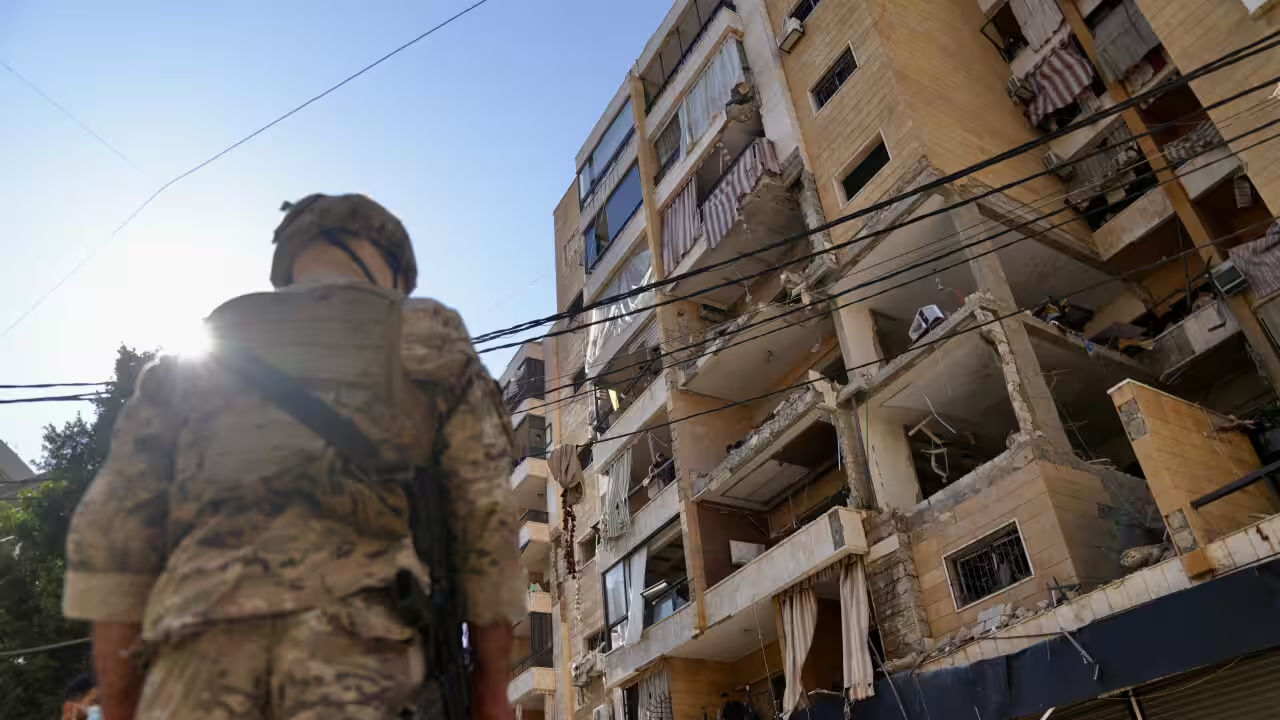
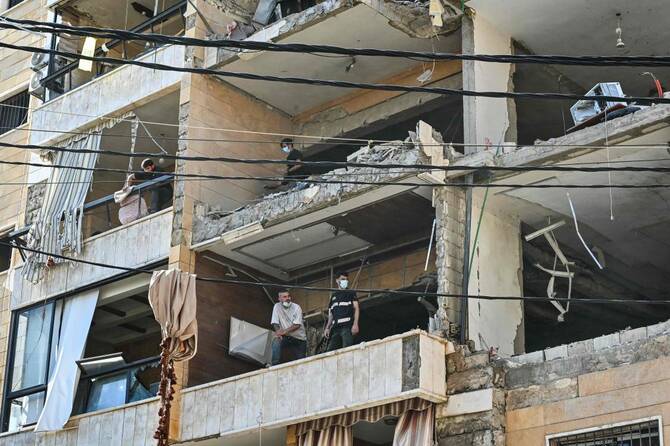
Iran responded with missile strikes on Monday after Israel conducted an attack on Beirut's Dahiyeh suburbs on Sunday. The missile strikes mark a direct retaliation following the prior day's events in Lebanon, signaling a key moment in the ongoing regional tensions. This swift response from Iran shows its willingness to engage directly following perceived provocations against its allies or interests. The missile strikes on the country on Monday were a direct consequence of Israel's Sunday operation in Beirut's Dahiyeh suburbs.
Escalating Cross-Border Strikes
Israel, in turn, responded by hitting Iran with strikes of its own. This exchange followed Iran's missile strikes on Monday, which were themselves a retaliation for an earlier Israeli attack on Beirut's Dahiyeh suburbs on Sunday. The escalating military actions show a rapid intensification of hostilities between the two regional powers. This series of direct engagements marks a significant shift in the nature of their long-standing conflict, moving beyond proxy confrontations to overt, reciprocal attacks. The strikes have raised concerns among observers regarding the potential for broader regional instability. Each strike has been met with a counter-strike, indicating a tit-for-tat dynamic that risks further escalation and a dangerous cycle of violence. The sequence of events began with Israel's operation in Lebanon, leading to Iran's direct response, and now Israel's counter-response against Iran, creating a volatile and unpredictable situation in the Middle East. The direct nature of these exchanges deviates from previous patterns where responses were often channeled through proxies, noting a new phase of engagement.
Iran's 'Unity of Arenas' Strategy
Iran's actions reflect a strategic doctrine known as "Unity of Arenas," a concept articulated by analysts to describe Tehran's approach to regional conflicts. This strategy involves coordinating the activities of its allies and proxies across various battlefronts to create interconnected pressure points against adversaries. In the current context, the strikes originating from Lebanon, followed by Iran's direct missile response, demonstrate an integrated approach. This method aims to present a multi-front challenge to Israel, suggesting that hostilities in one area, such as Lebanon, are linked to responses from Iran itself or other allied groups. The "Unity of Arenas" framework seeks to deter opponents by showing a unified front and the capacity to escalate conflicts across different geographic locations, from Lebanon to the Gulf. This interconnectedness allows Iran to manage and influence regional dynamics by orchestrating responses from its network of partners, thereby amplifying its strategic leverage. The doctrine emphasizes that an attack in one domain will be met with a response from another, creating a full deterrence mechanism.
Lebanon Seeks Separation
Lebanon's president has expressed a desire to separate the ongoing conflict within its borders from the broader regional tensions, particularly the wider conflict in the Gulf. This stance indicates an effort by Beirut to mitigate the impact of escalating hostilities between regional powers on its own territory. The Lebanese leadership seeks to prevent the nation from becoming an inextricable part of a larger, more expansive confrontation. Such a separation would aim to insulate Lebanon from direct involvement in conflicts that extend beyond its immediate borders and interests, preserving its sovereignty and stability. The president's position shows a national priority to de-escalate and localize conflicts, rather than allow them to merge with wider geopolitical disputes that could have devastating consequences for the country. This approach notes Lebanon's attempt to carve out a distinct space amid regional power struggles, emphasizing its national interests over broader alliances in the face of escalating violence. The president's desire to separate the war in Lebanon from the wider Gulf war reflects a deep concern for the potential for widespread destruction and instability if these conflicts were to merge.