Iran’s Judiciary Chief, Hojjatoleslam Gholamhossein Mohseni Ejei, pledged strong support for Lebanon and its resistance movement, linking the countries through "deep religious, spiritual, and ideological ties" following recent Israeli attacks on Beirut’s southern suburbs. Ejei stated, "We Stand with the Lebanese People," emphasizing that "Lebanon’s resistance is part of Iran’s soul," forged through "blood, sacrifice, and shared ideals." He described this resistance as "the echo of dignity, honor, steadfastness, and the shared spirit of nations that refuse to surrender to oppression, aggression, and injustice." Ejei noted that "After its aggressive advances in southern Lebanon, the Zionist enemy has now set its sights on Beirut, the heart of the country."
Israeli Strike on Beirut
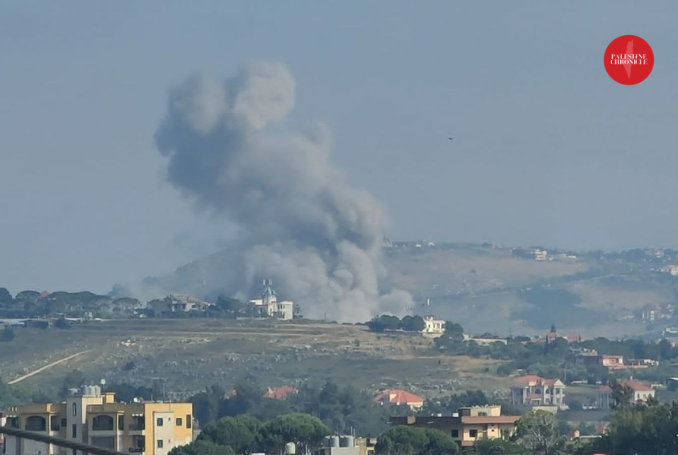
Recent developments have seen a significant escalation with an Israeli strike on Beirut. Israeli outlets reported that approximately ten missiles were launched by two fighter jets, targeting the al-Mreijeh area in Beirut’s southern suburb of Dahiyeh. The precision of the strike, involving multiple projectiles from aerial platforms, shows the intensity of the operation. This attack occurred amidst heightened regional tensions and has drawn considerable international attention.
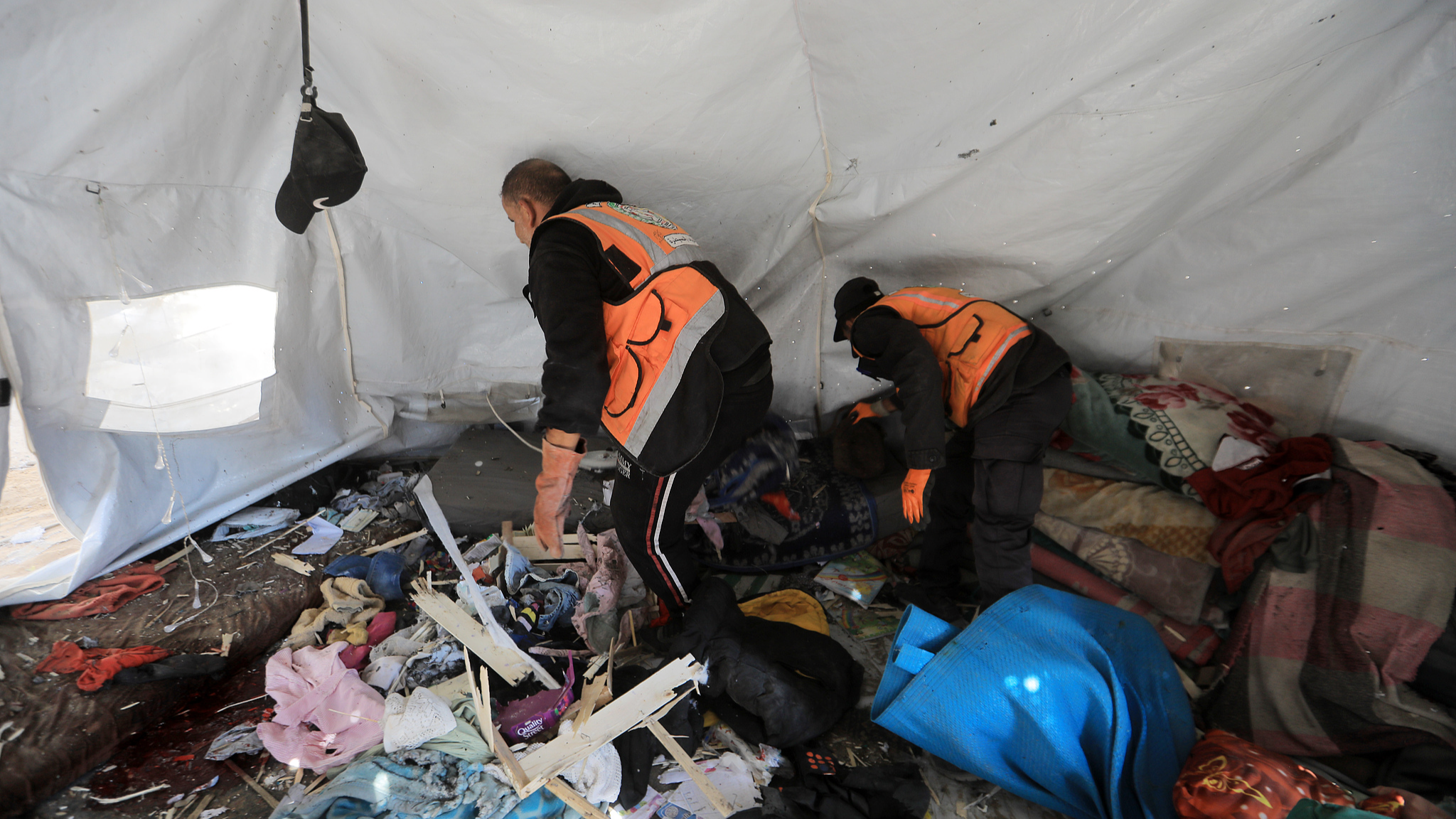
The Israeli military confirmed its forces struck Hezbollah infrastructure located in southern Beirut. This confirmation from the Israeli military provided official acknowledgment of the operation, specifying the target as facilities belonging to the Lebanese resistance group. The strike was described as targeting key operational infrastructure. Preliminary reports indicate that the strike resulted in the deaths of at least seven people and left several others injured. The human toll of the attack has been a central point of concern, with rescue efforts and damage assessments underway in the affected areas of Dahiyeh.
Iran's Solidarity and Rhetoric
Hojjatoleslam Gholamhossein Mohseni Ejei, Iran’s Judiciary Chief, showed the deep connection between Iran and Lebanon following recent events in Beirut. Ejei described the relationship between the Iranian and Lebanese peoples as a bond forged through “blood, sacrifice, and shared ideals.” He further articulated that Iran and the people of Lebanon are connected by “deep religious, spiritual, and ideological ties.” These ties, according to Ejei, form the bedrock of their enduring solidarity and shared strategic outlook in the region.
Ejei emphasized Iran's solidarity, declaring, "We Stand with the Lebanese People." This declaration was presented as a firm commitment from the Islamic Republic of Iran to its ally. He stated that “Lebanon’s resistance is part of Iran’s soul,” a powerful metaphor noting the profound ideological and spiritual alignment between the two entities. This rhetoric comes as Ejei noted that "After its aggressive advances in southern Lebanon, the Zionist enemy has now set its sights on Beirut, the heart of the country." The Judiciary Chief's remarks reiterate Iran's commitment to supporting Lebanon and its resistance movement, framing this support as an intrinsic part of Iran's own identity and strategic interests. His statements also served as a direct response to the recent Israeli attacks on Beirut’s southern suburbs, which he cited as a clear provocation.
Ejei's address reinforced the narrative of a unified front against perceived aggression, stressing that the Lebanese resistance embodies "the echo of dignity, honor, steadfastness, and the shared spirit of nations that refuse to surrender to oppression, aggression, and injustice." This full statement from Iran's top judicial figure signals Tehran's unwavering stance and its intention to continue backing its allies in the face of regional challenges. The emphasis on shared ideals and a common struggle against oppression aims to galvanize support and project a message of resilience and defiance.
Broader Regional Context
The article was published on June 07, 2026, reflecting the ongoing nature of the conflict and diplomatic responses. The office of Israeli Prime Minister Benjamin Netanyahu confirmed that the operation in Beirut targeted Hezbollah facilities located in the capital’s southern outskirts. This official confirmation from the highest levels of the Israeli government provided key details regarding the intent and scope of the military action. The statement clarified that the strike was carried out under the direct orders of Prime Minister Netanyahu and Defense Minister Israel Katz, indicating a high-level decision-making process behind the operation. This direct chain of command notes the strategic importance Israel attached to the targets in Beirut.
Israeli media also reported that U.S. Officials received prior notification of the operation before its execution. This detail suggests a degree of coordination or at least communication between the United States and Israel regarding significant military actions in the region. Such notifications are often part of diplomatic protocols aimed at managing potential fallout and ensuring allies are informed of sensitive operations. The involvement of U.S. Officials, even in a notification capacity, shows the broader international implications of the strike. The targeting of Hezbollah infrastructure in a densely populated area like Beirut’s Dahiyeh suburb has significant ramifications for regional stability and humanitarian concerns, drawing scrutiny from various international actors. The confirmation of the strike by both Israeli military sources and the Prime Minister’s office, along with the reported prior notification to U.S. Officials, paints a full picture of a carefully planned and executed operation.