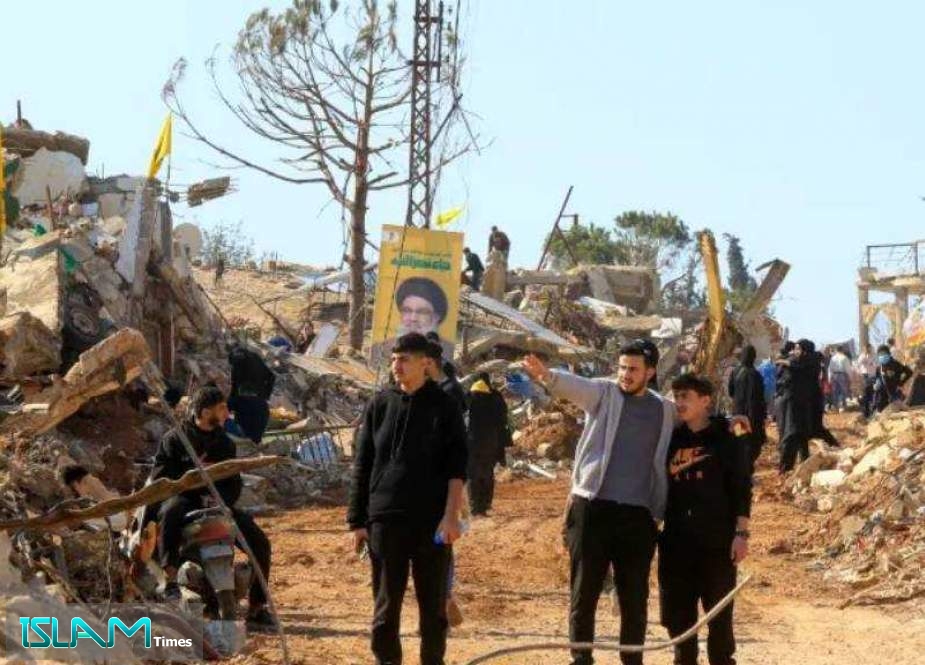
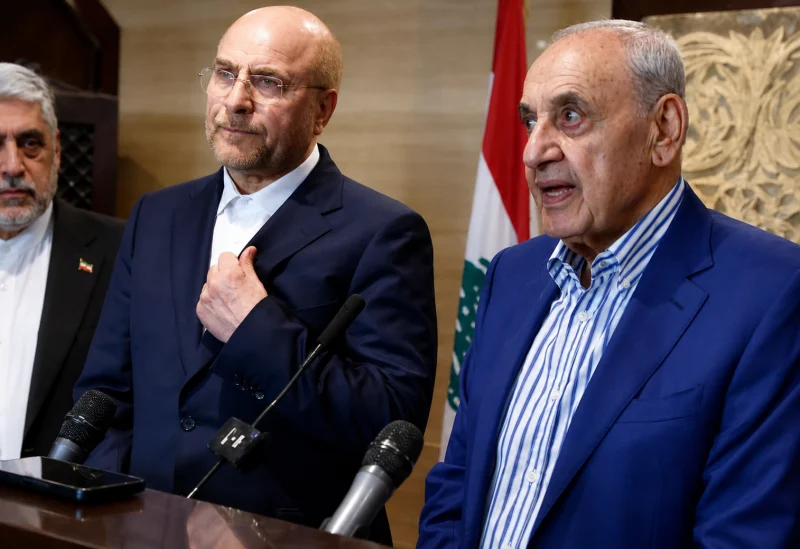
Iranian Foreign Minister Abbas Araghchi stated on Tuesday that any Israeli attack on Lebanon or continued presence on Lebanese territory from now on would constitute a violation of the interim agreement Tehran signed with the United States. Araghchi’s remarks indicated that Iran views such actions by Israel as a breach of the accord, signaling a broader interpretation of the diplomatic understanding. He emphasized that this stance shows Iran's position regarding regional stability and the conduct of nations within the framework of its international commitments.
Iran's Agreement Interpretation
Iran's interpretation of the interim agreement with the United States extends to its view on Israeli military activities in Lebanon. Foreign Minister Abbas Araghchi articulated that any Israeli aggression against Lebanon, or an continued presence on Lebanese soil, would be considered a direct violation of the accord Tehran signed. This declaration by Araghchi specifically stated that such actions "from now on" would be seen as a breach. Araghchi's statements show a stance where the Islamic Republic links regional stability and the actions of other nations to its bilateral commitments. This perspective suggests that Iran holds the United States responsible for Israel's conduct in the region, particularly concerning Lebanese sovereignty. The Iranian Foreign Ministry has consistently maintained that the interim agreement's scope encompasses broader regional security implications, not solely its own nuclear program. This interpretation could potentially complicate future diplomatic efforts involving the signatories and regional actors, as it broadens the perceived obligations of the agreement beyond its core nuclear focus.
US Skepticism and Criticism
U.S. Officials have expressed skepticism regarding Iran's willingness to fully comply with the framework of the interim agreement. Concerns center on whether Tehran genuinely intends to adhere to the accord's provisions beyond its immediate terms. The questioning of Iran's commitment suggests a perceived gap between the stated intentions and potential actions, particularly in light of recent Iranian statements linking the agreement to Israeli activities in Lebanon. U.S. Officials specifically question Iran's willingness to comply with the framework as it was initially understood, raising doubts about the depth of Tehran's commitment to the spirit of the accord.
Senator JD Vance, a vocal critic, described the memorandum as a "very general document." Vance's assessment notes a concern among some U.S. Lawmakers that the agreement lacks the specific detail and stringent requirements necessary to ensure Iran's long-term compliance and to address broader regional security issues. Such critiques suggest a need for more precise language and clearer commitments within any diplomatic framework with Iran, particularly concerning its regional influence and actions. This sentiment reflects a broader concern among some U.S. Policymakers about the effectiveness of such agreements without explicit, detailed provisions covering all potential areas of contention.
Nuclear Deal Context
Former U.S. President Donald Trump has stated that Tehran agreed to "never have a nuclear weapon." Trump's assertion provides context to the ongoing discussions surrounding Iran's nuclear program and its regional activities. The claim reflects a key objective articulated by some U.S. Administrations regarding Iran's nuclear capabilities. This perspective notes a central point of contention and negotiation in international efforts to prevent Iran from developing nuclear weapons. The statement by Trump emphasizes the perceived commitment from Iran, as understood by his administration, within the framework of nuclear diplomacy. Such declarations have often been at the forefront of discussions regarding the effectiveness and scope of agreements with Iran, particularly concerning the ultimate goal of non-proliferation. The former president's comments underline a fundamental expectation held by many international actors regarding Iran's nuclear ambitions.