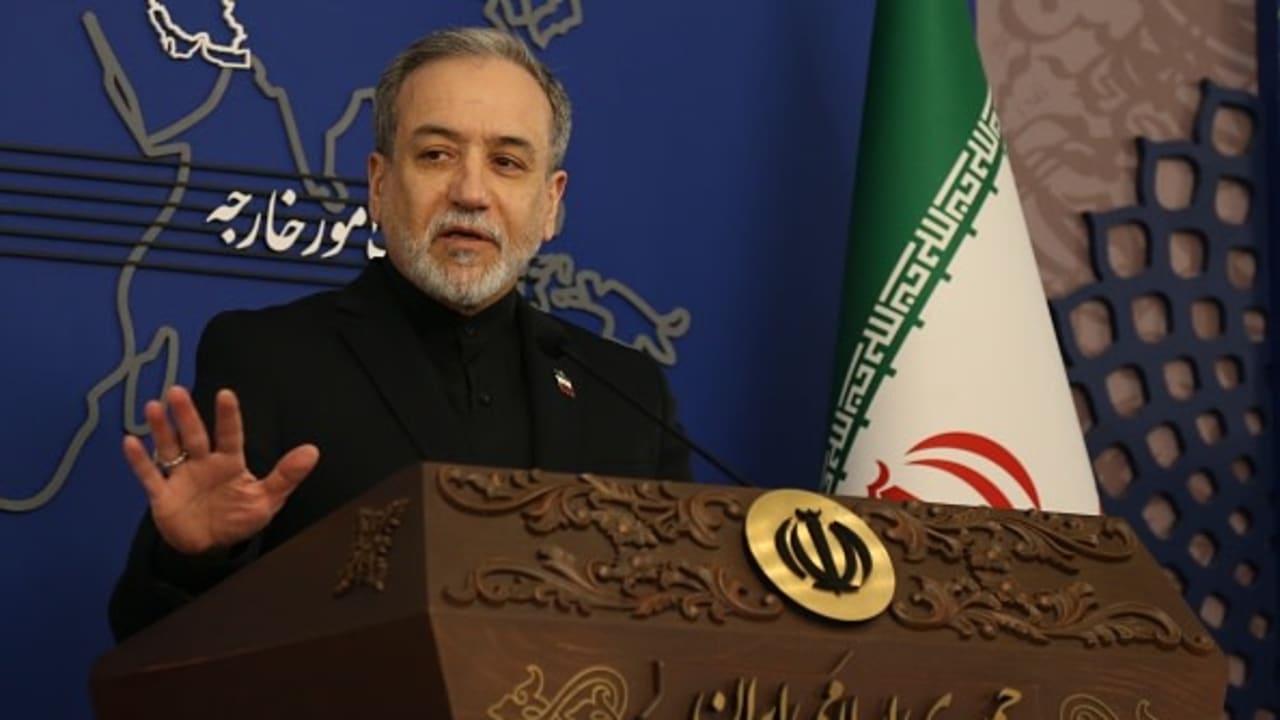
Iranian Foreign Minister Abbas Araghchi stated Friday that the United States is responsible for ending the war "on all fronts, including Lebanon," during a call with Pakistan’s Foreign Minister Ishaq Dar. This declaration came as Iran signed a new memorandum of understanding with the U.S. A development that Iranian officials believe could significantly alter the trajectory of regional conflicts. According to Iranian Foreign Ministry spokesperson Ismail Baghai, the memorandum was signed digitally Friday morning, marking a shift in diplomatic engagement methods. Baghai also indicated that the details of the agreement would be released "in the coming days," suggesting further developments are anticipated regarding its scope and implications.
Mediators to Convene Amidst Tensions
Pakistan’s Foreign Ministry announced that multiple mediators involved in the ongoing negotiations, including Pakistan, Saudi Arabia, Turkey, and Egypt, are scheduled to convene in Cairo on Sunday. This high-level meeting shows the concerted international effort to de-escalate tensions and foster stability in the region. The gathering points to ongoing diplomatic efforts to address regional tensions, which have been a persistent concern for international observers and regional powers alike. The involvement of several key regional players notes the complex nature of the diplomatic landscape and the shared interest in finding common ground.
Iranian Foreign Ministry spokesperson Ismail Baghai confirmed that a meeting is being planned, aligning with the announcement from Pakistan. Baghai stated that the gathering would occur "in the coming days," signaling an imminent diplomatic engagement and emphasizing the urgency felt by all parties involved. The precise agenda and participants beyond those specified by Pakistan’s Foreign Ministry were not immediately detailed by Iranian officials, leaving room for speculation about the specific issues to be discussed and potential outcomes. This meeting is expected to build upon previous diplomatic exchanges and lay the groundwork for future cooperation.
Nuclear Facilities Stance Clarified
Iranian Foreign Ministry spokesperson Ismail Baghai denied reports that Iran has invited the International Atomic Energy Agency (IAEA) to inspect nuclear facilities. This denial comes amidst heightened scrutiny of Iran's nuclear program and ongoing international discussions about its future. Baghai clarified Iran's consistent position on the international body's access, reiterating the country's sovereign control over its nuclear sites. He stated that facilities where inspections have been forbidden will remain closed to the IAEA, emphasizing that this stance is non-negotiable without further agreements. Access to these sites, according to Baghai, is contingent upon such agreements, suggesting that any future inspections would require new diplomatic understandings and concessions. The spokesperson's remarks show Iran's consistent stance regarding its nuclear program and the scope of international oversight, a critical point of contention in international relations. This clarification comes amidst ongoing diplomatic efforts concerning regional stability, where the nuclear issue often features prominently.
Diplomatic Exchanges Detailed and US Responsibility Noted
Iranian Foreign Minister Abbas Araghchi stated that the United States would be held responsible for any violation of the memorandum of understanding between Iran and the U.S. This declaration follows the recent signing of the agreement and places a significant burden of compliance on Washington. Araghchi’s remarks, made during his call with Pakistan’s Foreign Minister Ishaq Dar, show the seriousness with which Iran views the new agreement and its potential impact on regional dynamics. This assertion of responsibility is a key element of Iran's diplomatic posture regarding the newly signed memorandum.
Iranian Foreign Ministry spokesperson Ismail Baghai further elaborated on the diplomatic process, claiming that the digital signing of the memorandum contributed to the cancellation of previously scheduled talks between the U.S. And Iran in Switzerland. According to Baghai, those talks were intended to center on a signing ceremony for the agreement, which became unnecessary after the digital execution of the document. The cancellation indicates a shift in the diplomatic process related to the memorandum, suggesting a more streamlined and perhaps less ceremonial approach to finalizing such agreements. This digital signing represents a modern evolution in international diplomacy, enabling agreements to be concluded without the need for in-person meetings, even for significant accords.