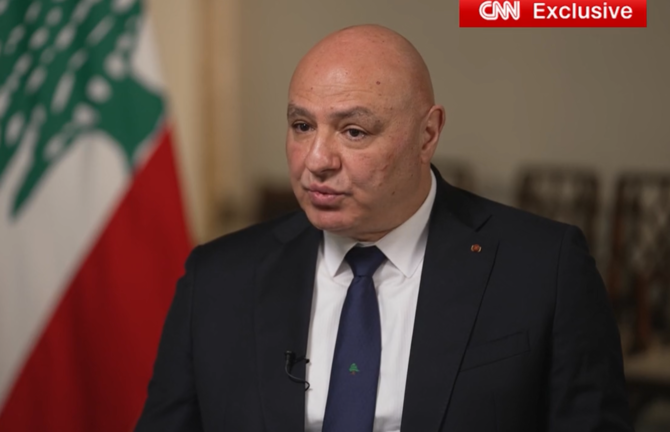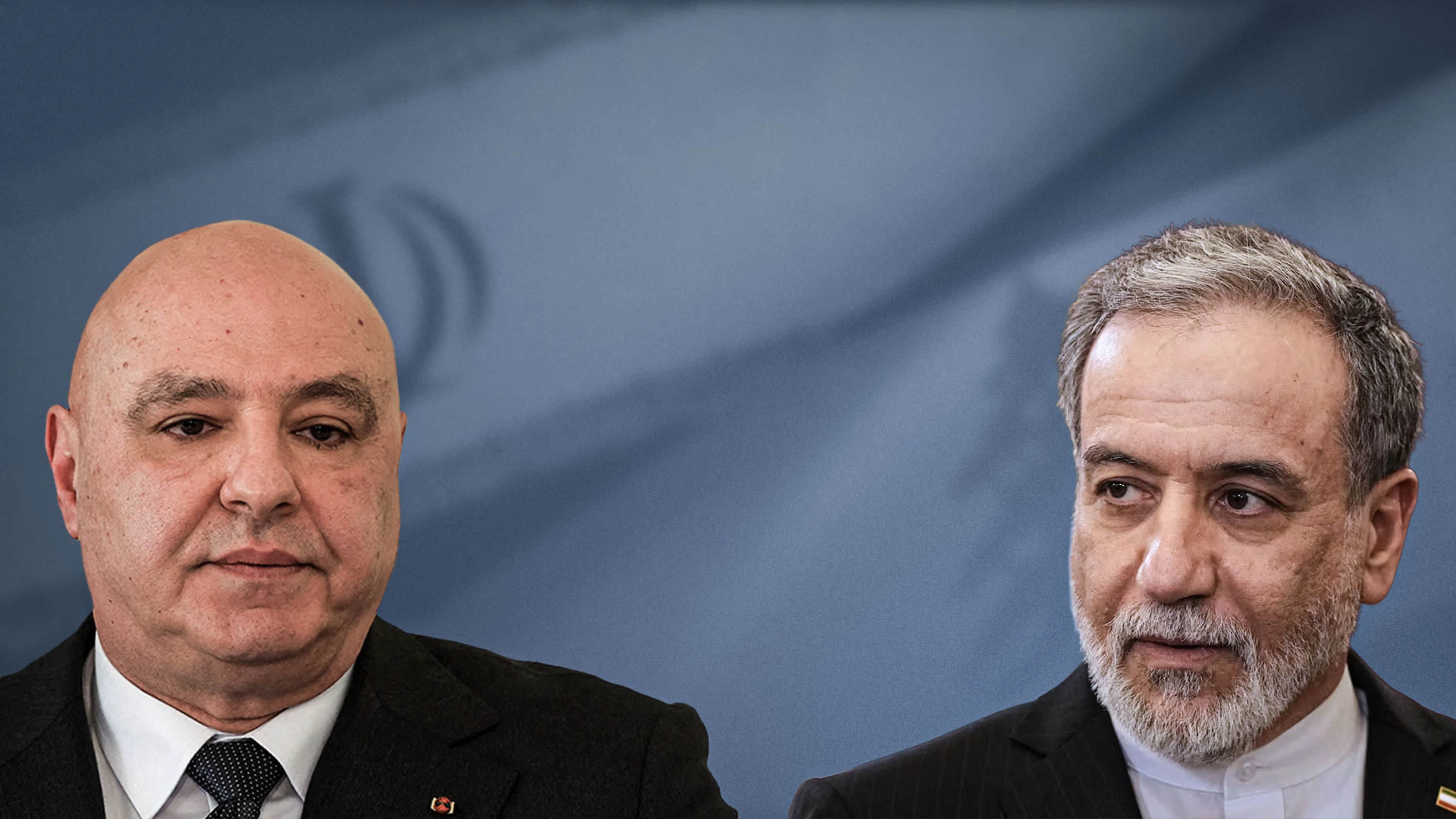
Iranian Foreign Minister Abbas Araghchi on Saturday urged Lebanese President Joseph Aoun to "save Lebanon from your real foe," referencing Israel's ongoing military campaign in the region. This statement followed reports that President Aoun had accused Iran of interfering in Lebanon and using the country as a bargaining chip in negotiations with the United States. Speaking in an interview with CNN on Friday, President Aoun criticized Iran, stating, "using Lebanon as a bargaining chip in their negotiation with the United States." Araghchi directly rebuffed these claims, asserting, "Had Lebanon been a bargaining chip for Iran, we'd have a deal long ago. Save Lebanon from your real foe, Mr. President." Lebanese Prime Minister Nawaf Salam reportedly concurred with President Aoun's assessment, further criticizing Tehran's approach to the region.
Accusations Fly Over Lebanon's Role
Iranian Foreign Minister Abbas Araghchi posted on X that, based on President Aoun's comments, "one would think it's Iran that has occupied 1/5 of Lebanon, displaced 1/4 of Lebanese and [is] bombing his country on daily basis." Araghchi's remarks on the social media platform directly addressed the Lebanese President's strong criticism. Aoun had made his strong remarks in an interview with CNN, asserting, "It's not your country, it's our country, our obligation, it's not your job to interfere into our country." Lebanese Prime Minister Nawaf Salam echoed these sentiments, calling on Tehran to "have mercy on our south, stop treating it and its people as merely a bargaining chip." Salam further stated, "We are the people of a sovereign nation that refuses to serve as... An open battlefield for their wars," emphasizing Lebanon's desire for independence from external conflicts.
President Aoun also addressed Israel, asking if they truly wished to live in 'perpetual war.' He declared, "We are ready, we are willing, we are committed [to negotiations]. If you [Israel] are not, you will never live in peace, safety, and security." Aoun stressed that both Lebanese citizens and Israelis are "fed up with war," describing negotiations as a "huge opportunity" for both countries to achieve lasting stability.
Ceasefire Efforts and Hezbollah's Stance
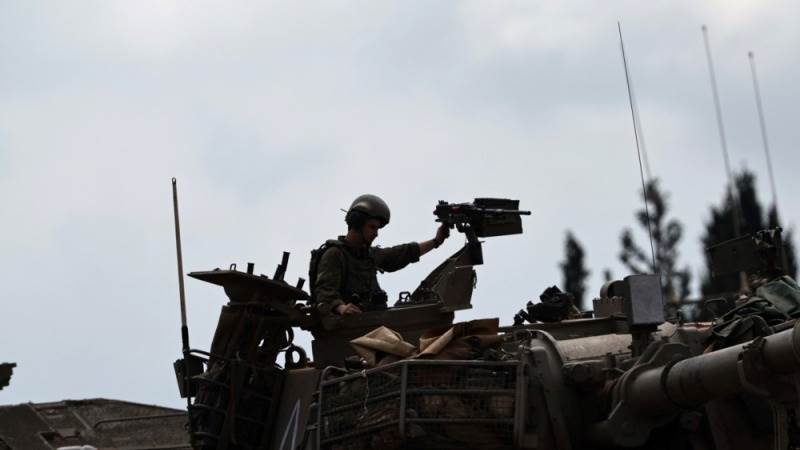
Tehran has insisted on linking any prospective peace deal with Washington to an agreeable ceasefire in Lebanon, according to reports. Daily combat between Israel and Hezbollah in Lebanon has killed over 3,500 people, the Lebanese health ministry reported, showing the severe human cost of the ongoing conflict. The Lebanese government reached a US-brokered ceasefire agreement with Israel on Wednesday, following US-led negotiations. Reports indicated the ceasefire agreement was contingent on Hezbollah completely stopping its attacks and evacuating from the area south of the Litani River. Hezbollah leader Naim Qassem said talks between Israel and Lebanon were tantamount to "surrender," rejected by "broad segments of the Lebanese people." Qassem further rejected the US-backed ceasefire as "a roadmap for the annihilation of a section of the Lebanese people and the enslavement of the rest." He stated that "As long as the occupation exists, the resistance will continue," indicating Hezbollah's unwavering stance. During talks on Tuesday, senior members of the Israeli delegation said that Hezbollah did not stop fighting, despite promising US President Donald Trump to do so on Monday. Under the framework discussed in Washington DC, "pilot zones" would be established in which the Lebanese army would have exclusive control, with no non-state actors present, aiming to de-escalate tensions and secure the border region.
Diplomatic Exchanges and Regional Tensions
Hezbollah dismissed the ceasefire agreement as "futile, humiliating, and disgraceful for Lebanon," according to reports, further complicating diplomatic efforts. In a related development, Beirut declared Iranian Ambassador Mohammad Reza Raouf Sheibani persona non grata in March, signalling a deterioration in diplomatic relations between the two countries. Representatives from the United States, Israel, and Lebanon met in Washington for ceasefire talks, as reported, noting the international effort to resolve the conflict. President Aoun told CNN that he would only meet with Israeli Prime Minister Benjamin Netanyahu after an agreement was reached in these negotiations, indicating his conditional approach to direct talks. The diplomatic exchanges show the complex web of regional tensions and the challenges in achieving a lasting peace in the volatile Middle East.