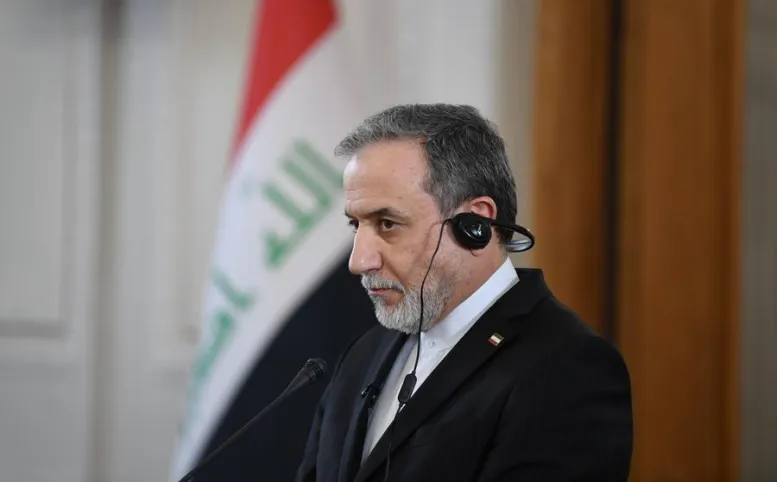
Iranian Foreign Minister Seyed Abbas Araghchi and Lebanese Parliament Speaker Nabih Berri condemned Israel's "aggressive" actions against Lebanon during a recent phone call. The two officials discussed the latest developments in Lebanon and the West Asia region, along with peace negotiations between Iran and the United States, and other issues of common concern. Araghchi and Berri called for global efforts to end Israel's "brutal" actions in southern Lebanon, which they stated have left thousands dead and wounded, destroyed residential areas and infrastructure, and displaced many Lebanese people.
During their extensive conversation, Foreign Minister Araghchi and Speaker Berri delved into the complex and rapidly evolving situation across the broader West Asia region, noting the interconnectedness of various geopolitical challenges. Their discussion encompassed not only the immediate concerns regarding Israeli actions but also the ongoing diplomatic efforts aimed at de-escalating tensions between Iran and the United States. They further addressed a range of other issues of common concern, showing the deep bilateral relationship between Iran and Lebanon and their shared perspectives on regional stability. Araghchi and Berri specifically emphasized the severe humanitarian impact of the ongoing conflict, noting that Israel's "brutal" actions in southern Lebanon have resulted in a significant loss of life, with thousands reported dead and wounded. Beyond the immediate casualties, the officials pointed to the widespread destruction of residential areas and critical infrastructure, which has severely hampered daily life and led to the displacement of a substantial number of Lebanese people from their homes.
Araghchi said, "the cessation of Israeli 'aggressions' against Lebanon was part of the ceasefire agreement between Iran and the United States, and that Iran will pay attention to the issue in any diplomatic process in the future." This statement from the Iranian Foreign Minister showed a key condition for any lasting peace or de-escalation in the region, linking the cessation of hostilities against Lebanon directly to broader diplomatic understandings. Berri, for his part, emphasized "the need to hold Israel accountable for its actions in Lebanon," advocating for international mechanisms to ensure justice and prevent future recurrences of violence. Araghchi added that "insecurity in regional waters, especially the Strait of Hormuz, is a direct result of the US and Israeli 'aggression' against Iran," drawing a direct causal link between perceived foreign aggression and maritime instability.
Ceasefire Agreement Details
Iranian Foreign Minister Seyed Abbas Araghchi stated that the cessation of Israeli "aggressions" against Lebanon was part of the ceasefire agreement between Iran and the United States. This assertion by Araghchi noted a critical component of the diplomatic understandings reached between the two nations, suggesting that the broader ceasefire was contingent upon or included provisions related to Israeli military activities in Lebanon. Araghchi added that Iran will pay attention to this issue in any diplomatic process in the future, signaling Tehran's commitment to ensuring this aspect of the agreement is upheld and integrated into subsequent negotiations. He also asserted that "insecurity in regional waters, especially the Strait of Hormuz, is a direct result of the US and Israeli 'aggression' against Iran," reiterating a consistent Iranian position that external pressures contribute significantly to regional instability, particularly in vital maritime passages.
The ceasefire between Israel and Lebanon took effect at midnight between April 16 and 17, following weeks of intensified cross-border fighting. This period of heightened conflict saw a significant escalation of hostilities along the border, contributing to regional instability and humanitarian concerns. This fighting was linked to the US-Israeli war with Iran, indicating a broader, interconnected conflict dynamic across the Middle East. An earlier ceasefire between Iran, the United States, and Israel became effective on April 8, preceding the more localized agreement between Israel and Lebanon. This earlier, broader ceasefire aimed to halt hostilities across multiple fronts involving the three nations. Prior to these developments, lengthy talks between Iranian and US delegations in Pakistan's capital, Islamabad, failed to yield an agreement, showing the difficulties and complexities inherent in achieving a lasting peace in the region. The protracted negotiations in Islamabad involved extensive diplomatic efforts but ultimately did not produce a full resolution at that time, setting the stage for the subsequent, more localized ceasefire agreements.
Calls for Accountability
Lebanese Parliament Speaker Nabih Berri stressed "the need to hold Israel accountable for its actions in Lebanon." This demand for accountability reflects a broader sentiment in Lebanon regarding the impact of Israeli military operations on its sovereignty and civilian population. Berri's statement shows the importance of international legal frameworks and diplomatic pressure in addressing perceived violations. US President Donald Trump announced on April 23 that the current 10-day ceasefire would be extended by three weeks, a development that offered a temporary reprieve from hostilities and indicated ongoing efforts to manage the conflict. This extension provided additional time for diplomatic initiatives to take root and for the parties involved to assess the situation.
In a separate phone call with his Swiss counterpart Ignazio Cassis, Iranian Foreign Minister Seyed Abbas Araghchi stated that "insecurity in regional waters, especially the Strait of Hormuz, is a direct result of the US and Israeli 'aggression' against Iran." This conversation with the Swiss Foreign Minister allowed Araghchi to reiterate Iran's perspective on the origins of maritime instability, emphasizing the role of external actors. Araghchi had previously asserted that "the cessation of Israeli 'aggressions' against Lebanon was part of the ceasefire agreement between Iran and the United States, and that Iran will pay attention to the issue in any diplomatic process in the future," firmly linking the Lebanese situation to the broader US-Iran diplomatic track. Cassis, representing Switzerland's traditionally neutral stance, underlined "his country's principled position in support of diplomacy to end the war and establish peace in the region," noting the international community's desire for a peaceful resolution. The US Embassy in Lebanon stated on Thursday that it supports a potential meeting between Lebanese President Joseph Aoun and Israeli Prime Minister Benjamin Netanyahu, signaling a diplomatic push for direct dialogue between the two nations. This endorsement from the US Embassy suggests a belief that high-level engagement could contribute to de-escalation and potentially lay groundwork for future agreements. The United States later imposed its own blockade on the Strait of Hormuz, a significant escalation that further complicated the regional maritime security landscape and demonstrated a heightened level of direct US involvement in the area.
Broader Regional Conflict Context
On February 28, Israel and the United States launched joint attacks on Tehran and other Iranian cities. These coordinated assaults represented a major escalation in the regional conflict, directly targeting Iran's capital and other urban centers. The coordinated assaults resulted in the death of Iran's then Supreme Leader Ali Khamenei, along with several senior commanders and numerous civilians. The loss of such a prominent figure as Supreme Leader Ali Khamenei, alongside military leadership and civilian lives, had profound implications for Iran's political and military landscape. Following these events, Iran responded with multiple waves of missile and drone strikes. These retaliatory actions specifically targeted Israel and various US interests located across the Middle East, demonstrating Iran's capability and willingness to project power in response to attacks on its territory and leadership. Concurrently, Iran also implemented a tightened control over the Strait of Hormuz, a strategic move aimed at asserting its influence over the vital waterway and potentially disrupting international shipping as a form of leverage. This increased control over the Strait of Hormuz added another layer of complexity to the already volatile regional security situation, impacting global energy markets and international maritime trade routes.