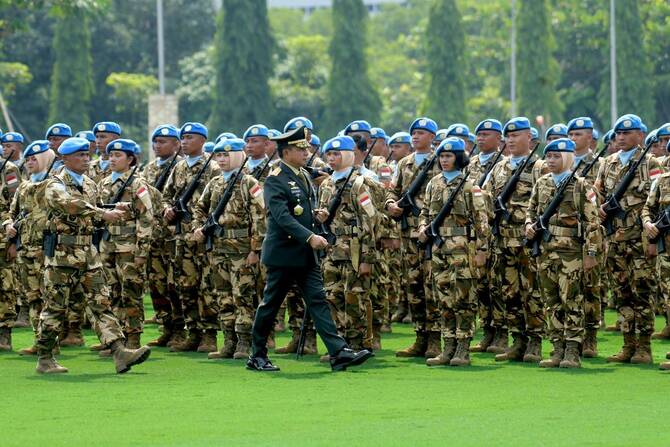
Indonesia has dispatched 744 soldiers to serve in the UN Interim Force in Lebanon (UNIFIL) amidst escalating conflict in the region. This significant deployment reinforces Indonesia's long-standing commitment to international peace and security, particularly in volatile areas. The latest contingent comprises 571 army personnel, 79 navy personnel, and 63 members of the air force, showcasing a multi-service contribution to the peacekeeping mission. These new Indonesian soldiers will replace the current group of 748 personnel serving in the country’s Garuda Contingent in Lebanon, ensuring a continuous and strong presence. The deployment shows Indonesia's continued participation in international peacekeeping efforts, even as the operational environment in southern Lebanon grows increasingly complex and dangerous.
Indonesia's Longstanding UNIFIL Commitment
Indonesia maintains a substantial presence in international peacekeeping, with approximately 1,900 troops and police currently serving across seven United Nations peacekeeping missions worldwide. This commitment notes the nation's dedication to global stability and its role as a responsible member of the international community. The nation's commitment to the UN Interim Force in Lebanon (UNIFIL) dates back to 2006, when it first began contributing troops to the mission, marking nearly two decades of continuous involvement. UNIFIL peacekeepers have been deployed in southern Lebanon since 1978, operating to maintain peace and stability in the region, a mission that has taken on renewed urgency in recent times.
As of May 1, 2026, UNIFIL's operational strength includes some 7,400 peacekeepers drawn from 47 troop-contributing countries globally, reflecting the widespread international effort to stabilize the area. Indonesia leads this list as the top troop-contributing nation to UNIFIL, demonstrating its significant role and substantial contribution to the mission's operational capacity. This leadership position shows Indonesia's deep dedication to the mission's objectives and its willingness to commit substantial resources. Following Indonesia in contributions are Italy and Spain, noting the multinational nature of the peacekeeping effort and the shared responsibility among nations. Indonesia's consistent involvement shows its dedication to multilateral security initiatives and its belief in the power of collective action to resolve international disputes and maintain peace. The consistent presence of Indonesian forces has been a cornerstone of UNIFIL's operations, providing a steady and reliable contingent to support its mandate.
Escalating Danger in Southern Lebanon
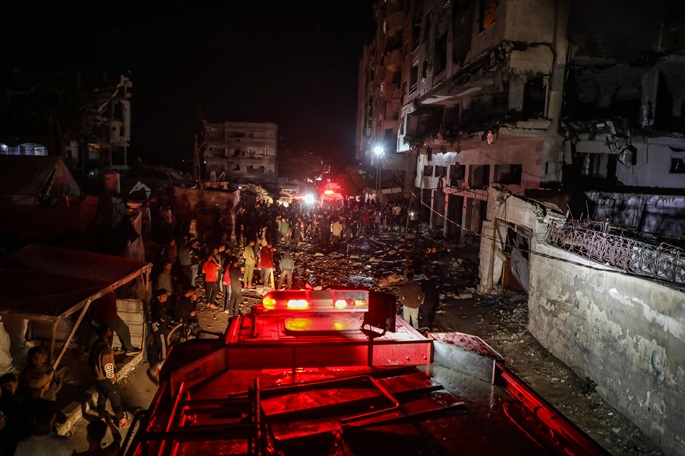
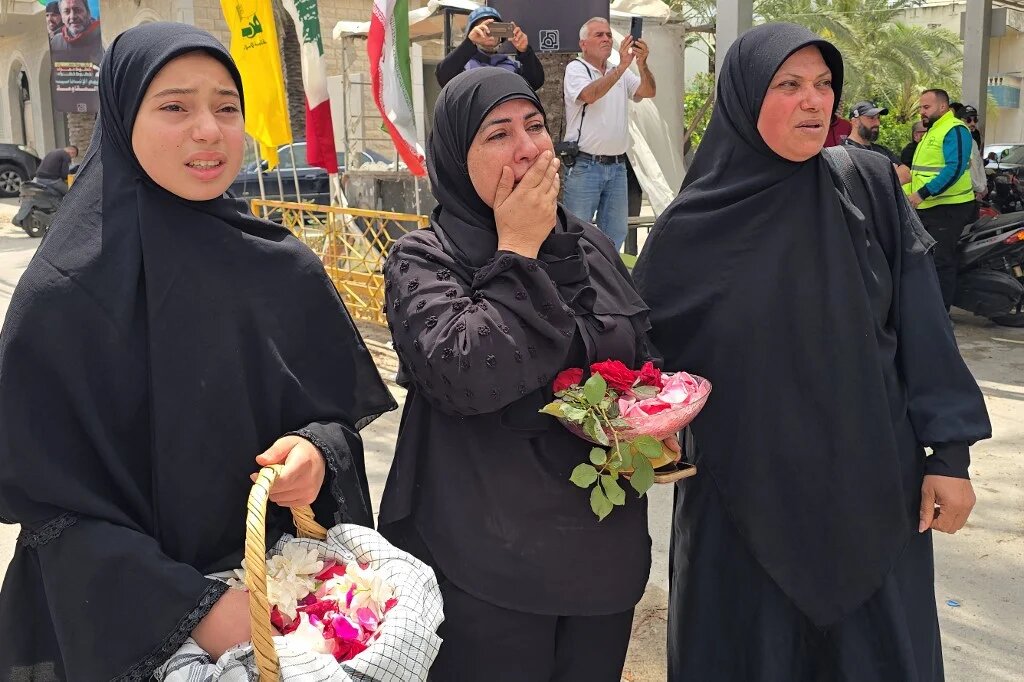
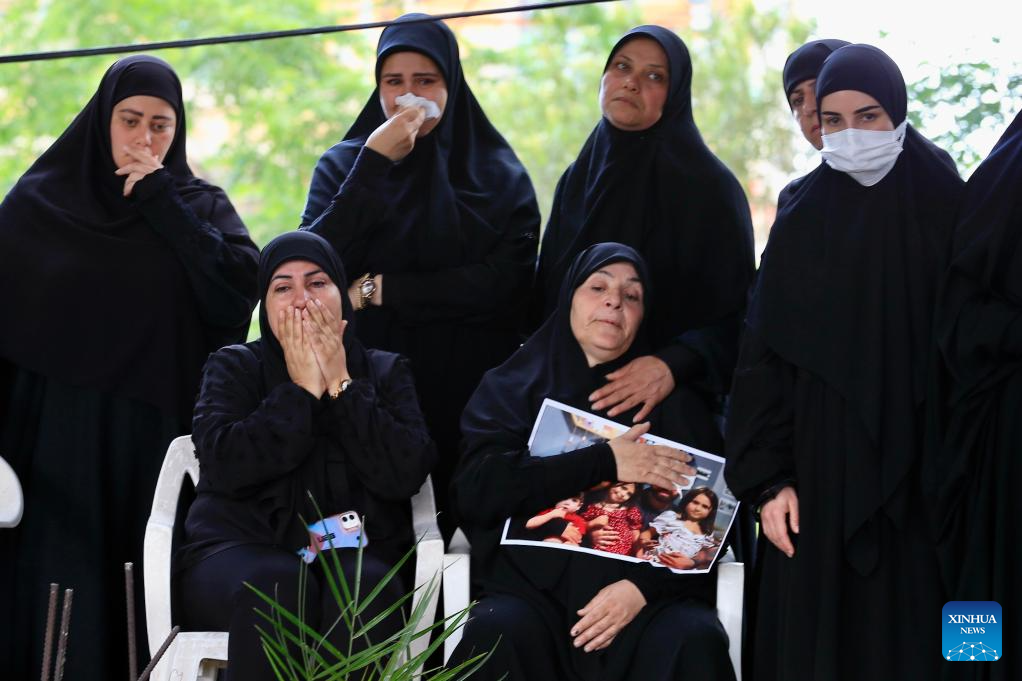
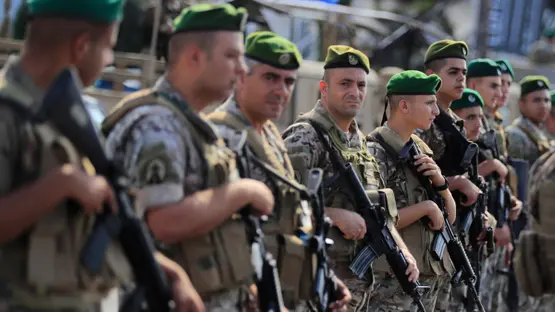
The security situation in southern Lebanon has deteriorated significantly, posing increased risks to both local populations and international peacekeepers. Israel's latest fighting with armed groups in the region commenced on March 2, contributing to a significant escalation of hostilities in southern Lebanon. This renewed conflict has intensified an already fragile environment, leading to widespread suffering and displacement. The ongoing conflict has resulted in a death toll exceeding 3,000, with more than 1 million people displaced from their homes, creating a severe humanitarian crisis. Amidst this volatile environment, United Nations peacekeeping forces stationed in the area have faced multiple attacks by Israeli troops since Israel's 2024 invasion of southern Lebanon, directly endangering personnel tasked with maintaining peace.
Tragically, four Indonesian peacekeepers were killed in Israel's war in Lebanon less than two months before the most recent deployment of Indonesian soldiers, a stark reminder of the extreme dangers faced by those serving. The fatalities also include two French peacekeepers in recent months, showing the severe risks faced by UNIFIL personnel from various nations. A specific incident occurred in October 2024 when two Indonesian soldiers sustained injuries after Israeli tanks entered Naqoura and fired on peacekeepers, illustrating the direct threats and hostile engagements encountered on the ground. This series of events notes the increasingly perilous conditions under which the UNIFIL mission operates, demanding heightened vigilance and strong protective measures for its personnel. The attacks on peacekeepers represent a serious challenge to the mission's ability to operate effectively and safely in a conflict zone.
Mandate and Future of UNIFIL
The United Nations Interim Force in Lebanon (UNIFIL) saw its mandate expanded by the UN Security Council following the Second Lebanon War, a key moment that redefined its operational scope and responsibilities. This expansion broadened the scope of the mission to include monitoring the cessation of hostilities, accompanying and supporting the Lebanese Armed Forces in southern Lebanon, and ensuring humanitarian access to affected populations. These additional responsibilities were designed to strengthen stability and facilitate recovery in the aftermath of significant conflict. UNIFIL's operations are key for maintaining stability along the Blue Line, the demarcation line separating Lebanon and Israel, serving as a vital buffer zone between the two nations. The presence of UNIFIL peacekeepers helps to prevent misunderstandings and de-escalate potential flashpoints along this sensitive border.
UNIFIL's mandate is currently expected to conclude at the end of 2026, marking a significant juncture for the mission and the region. Following this projected conclusion, personnel are anticipated to gradually withdraw from the region, signaling a transition in international peacekeeping efforts. The potential end of the mission marks a significant point for the international peacekeeping efforts in southern Lebanon, raising questions about the future of security and stability in the area. The ongoing security situation and the future role of international forces in the area remain subject to evolving geopolitical developments and the assessment of regional stability. The mission’s long-standing presence has been a cornerstone of international efforts to de-escalate tensions in a volatile border area, and its eventual withdrawal will necessitate careful planning and coordination to avoid a security vacuum. The international community will closely monitor the situation to ensure that the gains made by UNIFIL in maintaining peace are preserved.