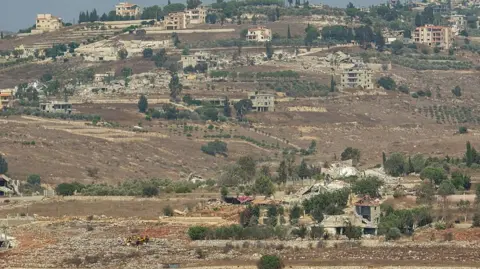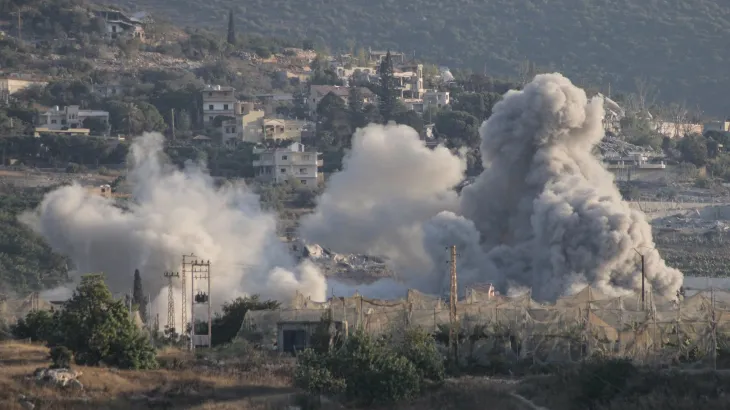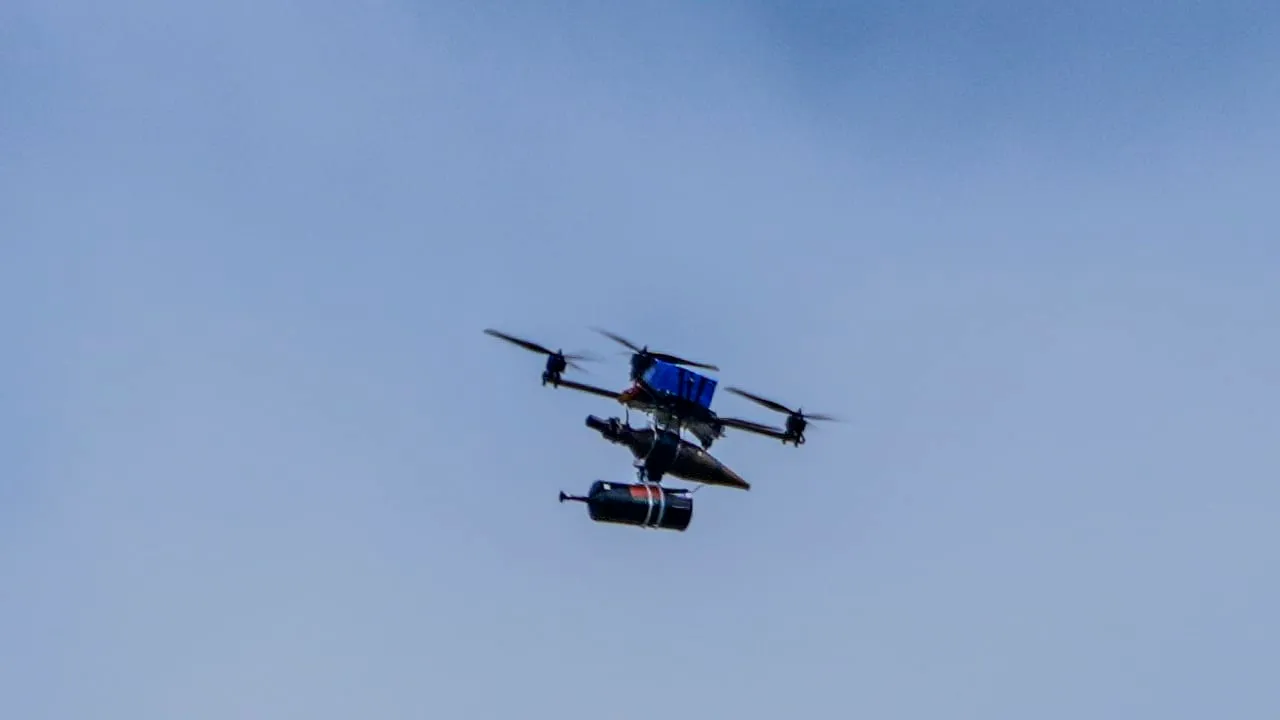
The Israel Defense Forces (IDF) struck Hezbollah targets in Lebanon on Friday following a drone launch by the militant group towards Israeli soldiers, the military announced. This retaliatory action came after the IDF confirmed that no Israeli soldiers were injured in the drone attack, which was successfully intercepted. The incident has further intensified the already fraught situation along the Israel-Lebanon border, noting the volatile security landscape in the region.
Escalation Follows Tunnel Operations and Warnings
The IDF's strikes on Hezbollah positions followed an earlier announcement by Defense Minister Israel Katz. Katz stated that the Israel Defense Forces (IDF) had completed operations to clear Lebanon's Ali al-Taher ridge tunnels of Hezbollah operatives. He confirmed, "The mission was completed, and the tunnels were cleared of terrorists," indicating a significant security operation had concluded. The military described the recent drone attack as a "blatant violation" of the standing ceasefire agreement between the parties, showing the severity with which the incursion was viewed.
Separately, Defense Minister Katz issued a stark warning regarding Iran, asserting a severe potential response to any aggression. "We will destroy all national, military, and civilian infrastructure in Iran, including energy infrastructure," Katz declared, emphasizing the potential for widespread devastation. He further added, "We will return Iran to the Stone Age," a statement that reflects the heightened rhetoric and perceived threats emanating from the region.
Regional Tensions Rise After Drone Interception
The drone incident itself unfolded earlier on Friday when soldiers observed the unmanned aerial vehicle approaching their position. The soldiers successfully shot down the drone, preventing any potential impact or intelligence gathering. This event adds to a period of significant regional volatility, particularly following a strong warning issued by Iran to the United States on Thursday. Tehran stated it would respond forcefully to any Israeli attack targeting the Ali al-Taher ridge complex, which is located in southern Lebanon. This direct warning from Iran to the United States shows the broader international dimensions of the conflict and the potential for wider regional engagement.
These developments collectively show the heightened state of alert in the border region between Israel and Lebanon, as well as across the broader Middle East. The interplay of direct military actions, explicit warnings, and strategic operations like tunnel clearances contributes to a complex and rapidly evolving security environment.
Minister's Strong Stance and Broader Implications
The drone attack occurred while the Israeli soldiers were positioned within the Israel Defense Forces' security zone in southern Lebanon, an area frequently subject to scrutiny and operational activity. The location of the incident within this zone further notes the persistent security challenges faced by Israeli forces along the frontier.
In a related development reported by Walla on Thursday, Defense Minister Israel Katz issued another warning concerning potential Iranian aggression. Katz stated that any Iranian attack on Israel would effectively free the IDF "from any restrictions," implying a full and uninhibited military response. This declaration signals a shift in operational parameters should Iran initiate hostilities, indicating a potential for broader and more intense engagement than previously seen. The accumulation of these events—direct military confrontation, strategic operations, and explicit warnings from both Israeli and Iranian officials—paints a picture of escalating tensions with significant regional implications.