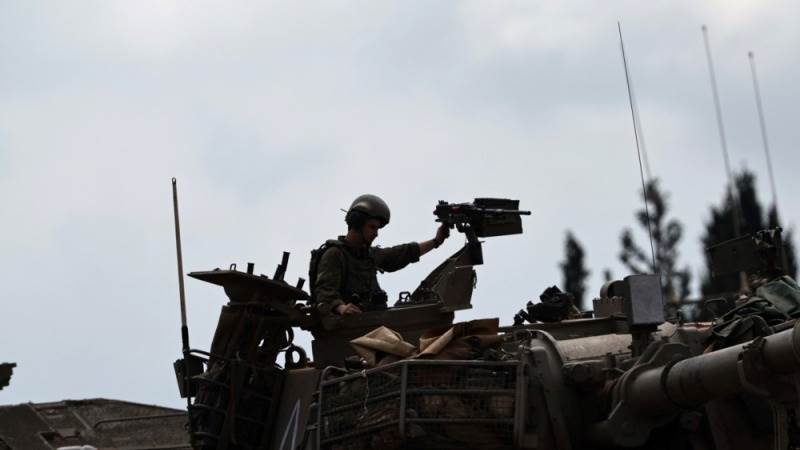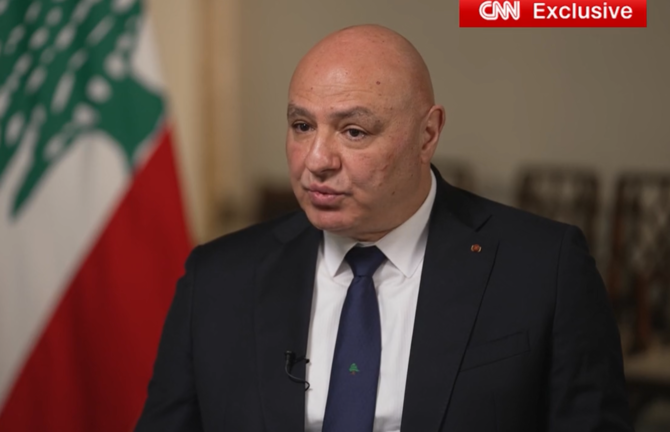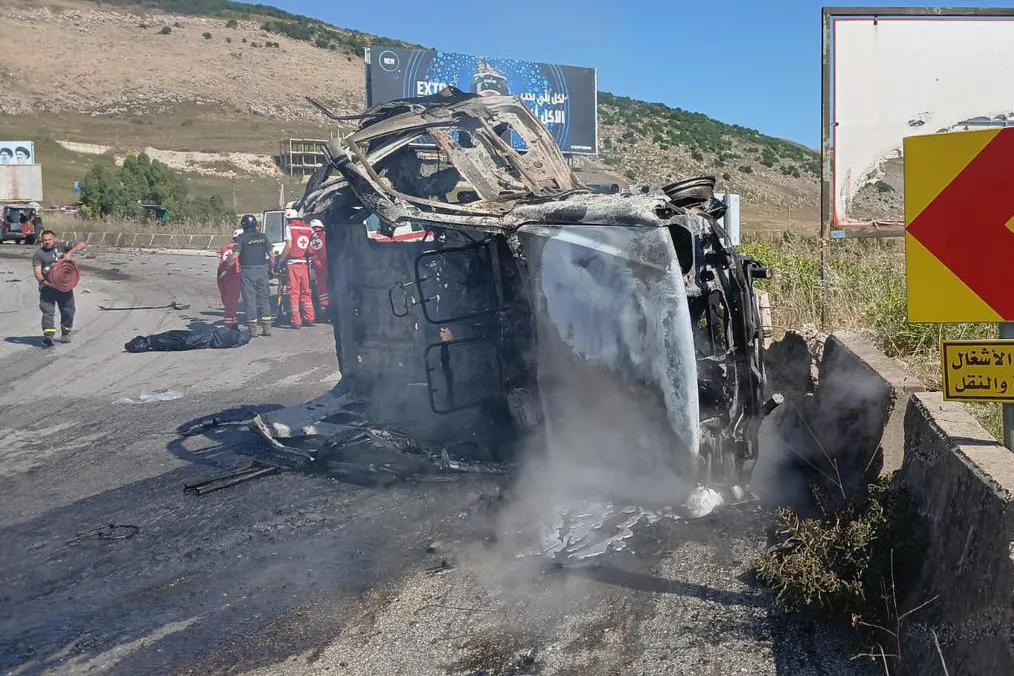
Three Lebanese Army members were killed on Saturday in an IDF strike, an incident that threatens a recent ceasefire deal. The strike occurred in an area of southern Lebanon where the Lebanese Army was slated to take over control, replacing Hezbollah forces under the terms of the agreement. This area in southern Lebanon has long been dominated by Hezbollah, and the planned deployment of the Lebanese Army was a key component of the recently brokered ceasefire. The Israel Defense Forces (IDF) stated it "had received concrete indications that Hezbollah would direct fire toward IDF soldiers from the same area," adding, "In light of the threat posed to the soldiers, the vehicle was struck." The Lebanese army condemned the action, stating, "The continued, deliberate, and repeated Israeli aggression against Lebanon, its people and its army only strengthen our resolve, faith and determination."
IDF Response and Context
Lebanese officials accused Israel of thwarting efforts to reach a solution for stability and a full ceasefire. These accusations show the fragility of the current situation and the challenges in maintaining peace. The Israel Defense Forces (IDF) stated it "had received concrete indications that Hezbollah would direct fire toward IDF soldiers from the same area," adding, "In light of the threat posed to the soldiers, the vehicle was struck." The IDF further clarified its operational stance, stating that its operations target the Hezbollah terrorist organization, not the Lebanese Army. This distinction is key in the ongoing conflict, as Israel seeks to justify its actions while avoiding direct confrontation with the Lebanese state military. In a separate incident over the weekend, an IDF soldier was killed by members of the terror group in southern Lebanon, noting the persistent dangers faced by Israeli forces. Reports indicate Israel has been battling the Iranian-backed terror group since March in southern Lebanon, marking a prolonged period of hostilities in the region.
Ceasefire Deal Details
A US-brokered ceasefire agreement was reached on Wednesday, aiming to de-escalate tensions in the region. This agreement, facilitated through diplomatic channels, represented a significant effort to bring a halt to the escalating violence. The deal sought to establish a framework for stability, particularly in southern Lebanon, where the Lebanese Army was expected to assume control from Hezbollah forces. Under the terms of this ceasefire deal, the Lebanese Army was to take over areas of southern Lebanon that have long been dominated by Hezbollah, a move intended to reduce the influence of the non-state actor in border regions. This agreement was intended to pave the way for a more full ceasefire, addressing ongoing military engagements and creating a buffer zone. The ceasefire deal was a result of diplomatic efforts to prevent further escalation between the involved parties, with the US playing a mediating role. Its terms were designed to facilitate a reduction in hostilities and create conditions for a lasting peace, offering a glimmer of hope for a more stable future in the volatile area.
Potential Peace Talk Obstacle
The Israel Defense Forces (IDF) stated its operations target the Hezbollah terrorist organization, not the Lebanese Army. An IDF spokesperson affirmed, "The IDF had received concrete indications that Hezbollah would direct fire toward IDF soldiers from the same area. In light of the threat posed to the soldiers, the vehicle was struck." This statement emphasizes the IDF's focus on Hezbollah as the primary target of its military actions. The Lebanese army, however, condemned the strike, stating, "The continued, deliberate, and repeated Israeli aggression against Lebanon, its people and its army only strengthen our resolve, faith and determination." This strong condemnation from Beirut indicates the severity with which the incident is viewed by Lebanese authorities. Reports indicated the strike on the Lebanese military could pose a fresh obstacle to stalled US-Iran peace talks, potentially complicating diplomatic efforts in the region. The incident risks undermining the fragile trust built through recent diplomatic initiatives, making it harder to achieve broader agreements between key regional and international players. The implications of such an incident extend beyond the immediate border, impacting wider geopolitical discussions aimed at de-escalation.