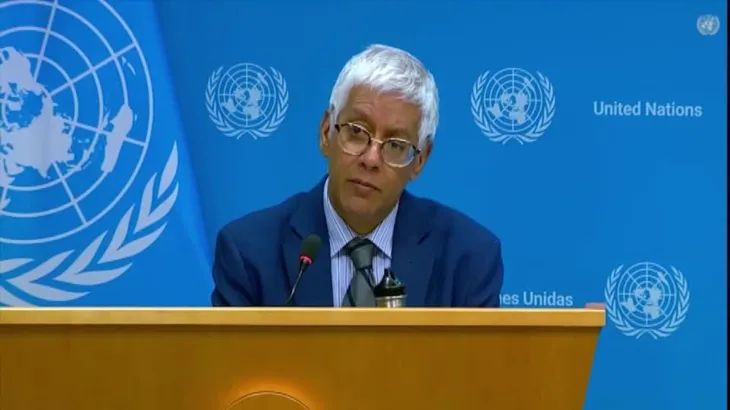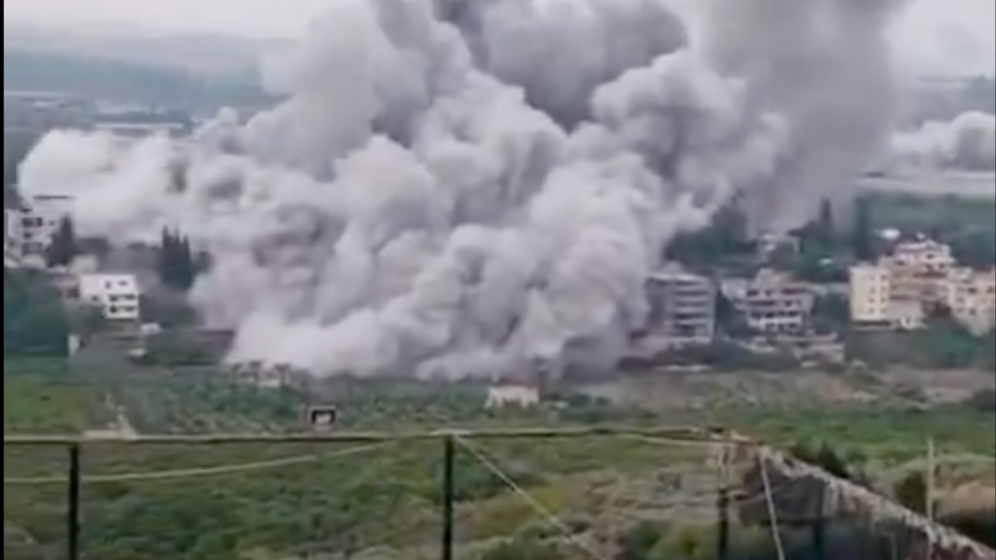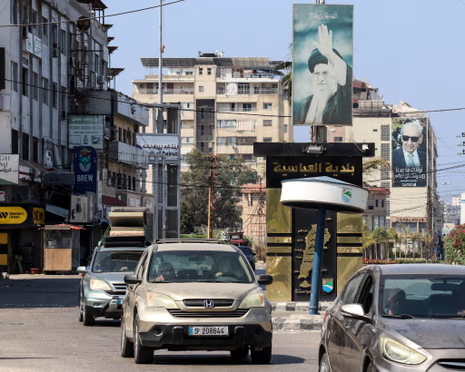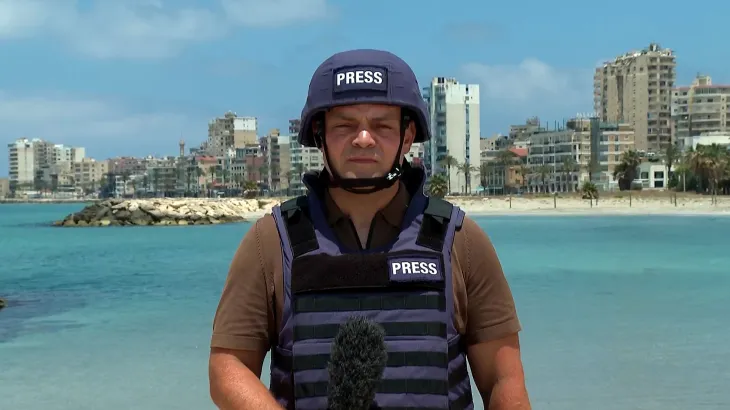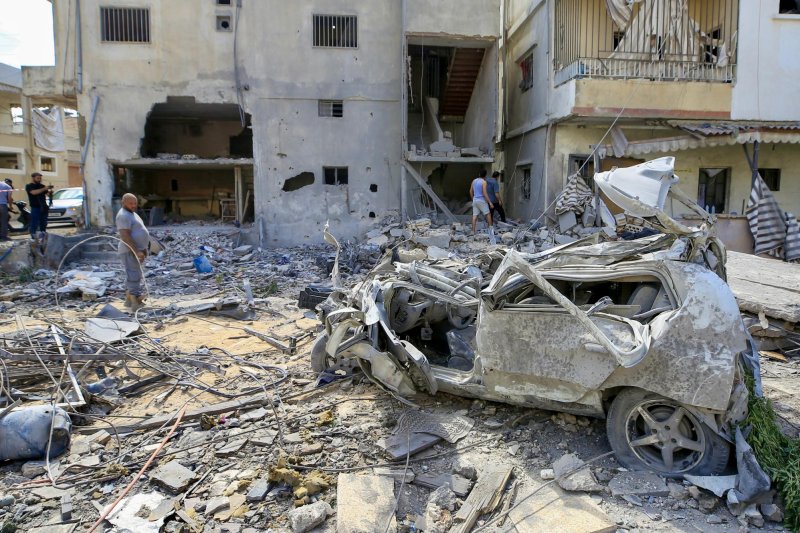
The Israel Defense Forces (IDF) on Tuesday ordered residents in the Lebanese city of Tyre, encompassing the Christian quarter and over 10 refugee camps, to evacuate. This directive came as a preemptive measure, with the IDF anticipating military action against targets associated with Iran-proxy Hezbollah within the area. IDF spokesman Avichay Adraee instructed residents to move approximately 20 miles north beyond the Zahrani River, citing their safety as the primary concern. "Your presence near Hezbollah elements or their facilities or combat means endangers your lives," Adraee stated in his public address. The evacuation order, affecting a significant portion of the city's population including those in more than 10 refugee camps, shows the gravity of the situation developing on Lebanon's southern border.
Adraee warned, "As we warned in the past days, following Hezbollah elements' actions inside the Christian Quarter in the city, the Israel Defense Forces will be compelled to act against their terrorist activities in the quarter in the near term." He added that "any building used by Hezbollah for military purposes may be subject to targeting." Adraee urged, "To ensure your safety -- evacuate your homes immediately and move north beyond the Zahrani River. Attention -- any movement south of the Zahrani River may endanger your lives." The evacuation order was issued "out of concern for your safety," emphasizing the IDF's stated intention to minimize civilian harm while addressing what it describes as Hezbollah's military infrastructure. Adraee specifically reiterated that anyone remaining south of the Zahrani River was putting their life at risk, a stark warning to the affected population.
Escalation Follows Iran Strikes
The development followed a weekend confrontation in which Iran fired missiles at Israel, and Israel subsequently struck military targets inside Iran. This exchange marked a significant escalation in regional tensions, drawing international concern. Tehran had previously warned that if Israel continued attacks in Lebanon, "much more severe and crushing measures will be on the way," indicating a readiness to respond forcefully to Israeli military actions in its proxy's territory. The IDF's evacuation order in Tyre, therefore, is seen against the backdrop of this heightened state of alert and direct confrontation between Israel and Iran.
Separately, U.S. President Donald Trump stated that the United States and Iran were close to a deal designed to prevent nuclear weapons development and facilitate the opening of the Strait of Hormuz. Trump mentioned the potential agreement could be finalized and signed within two or three days, suggesting a diplomatic pathway amidst the military tensions. This potential breakthrough, if realized, could significantly alter the geopolitical landscape and influence the ongoing dynamics between Israel, Iran, and their respective allies.
IDF Justifies Evacuation Order
The Israel Defense Forces (IDF) issued the evacuation order for Tyre, Lebanon, explicitly anticipating military action against targets associated with Iran-proxy Hezbollah. The IDF stated that the presence of Hezbollah elements and their operational infrastructure in civilian areas necessitated the order. This directive aims to mitigate civilian casualties ahead of potential operations, reflecting a stated concern for non-combatants despite the impending military actions. The military action is described as a direct response to Hezbollah's activities within the city, particularly within the Christian Quarter, where the IDF claims Hezbollah has established a presence. The IDF has previously warned that any building utilized by Hezbollah for military purposes could become a legitimate target, reinforcing the urgency of the evacuation. Residents were specifically instructed to move north of the Zahrani River for their safety, with warnings that remaining south of the river could endanger their lives. This full evacuation plan notes the perceived threat level and the potential scope of the anticipated military engagement in the area.
Netanyahu's Firm Stance
IDF spokesman Avichay Adraee reiterated warnings that individuals remaining south of the Zahrani River were placing their lives at risk, underlining the seriousness of the evacuation directive. This caution came as Israeli Prime Minister Benjamin Netanyahu reportedly adopted a firm stance regarding the ongoing military operations, signaling Israel's resolve to address what it perceives as threats from Hezbollah. Netanyahu's position is understood to be a direct response to the escalating regional tensions and the perceived need to secure Israel's northern border.
However, the military strikes were halted following a request from U.S. President Donald Trump. Speaking to reporters at JFK Airport in New York before departing for Washington, Mr. Trump stated he had instructed the Israeli Prime Minister to "stop shooting." Mr. Trump indicated that a "very good deal that will not allow in [any way, shape, or form] nuclear weapons" was imminent between the United States and Iran. He added that the "Strait will open up right away -- they'll open up immediately upon signing, which could be in two or three days," suggesting that diplomatic efforts were actively underway to de-escalate the situation and address core issues between the U.S. And Iran. This intervention by President Trump introduced a new dimension to the unfolding crisis, temporarily pausing military actions in favor of diplomatic overtures.